What to Do in a Hot Water Heater Emergency (Before the Plumber Arrives)
A hot water heater emergency can strike without warning — and in the South Sound, where a cold, rainy April morning in Covington already has you reaching for that warm shower, a failing unit hits even harder.
Here's what to do right now if your water heater is in crisis:
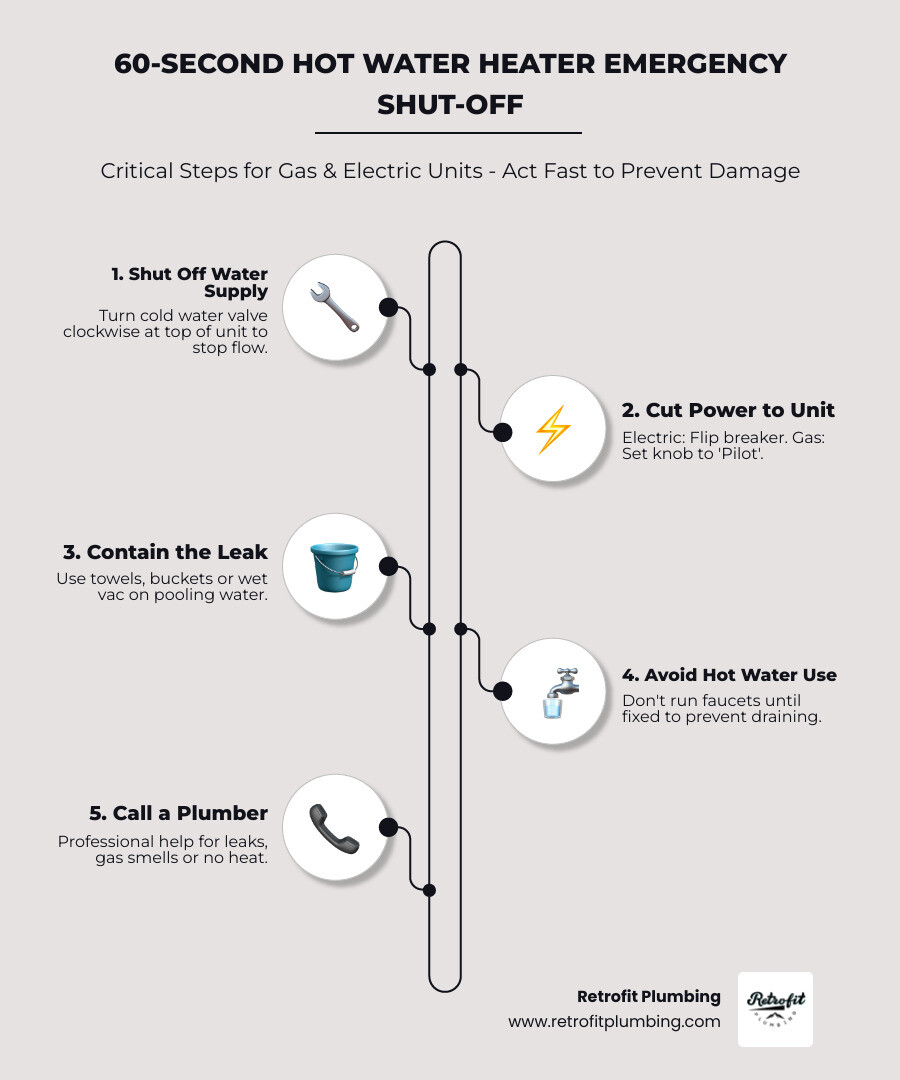
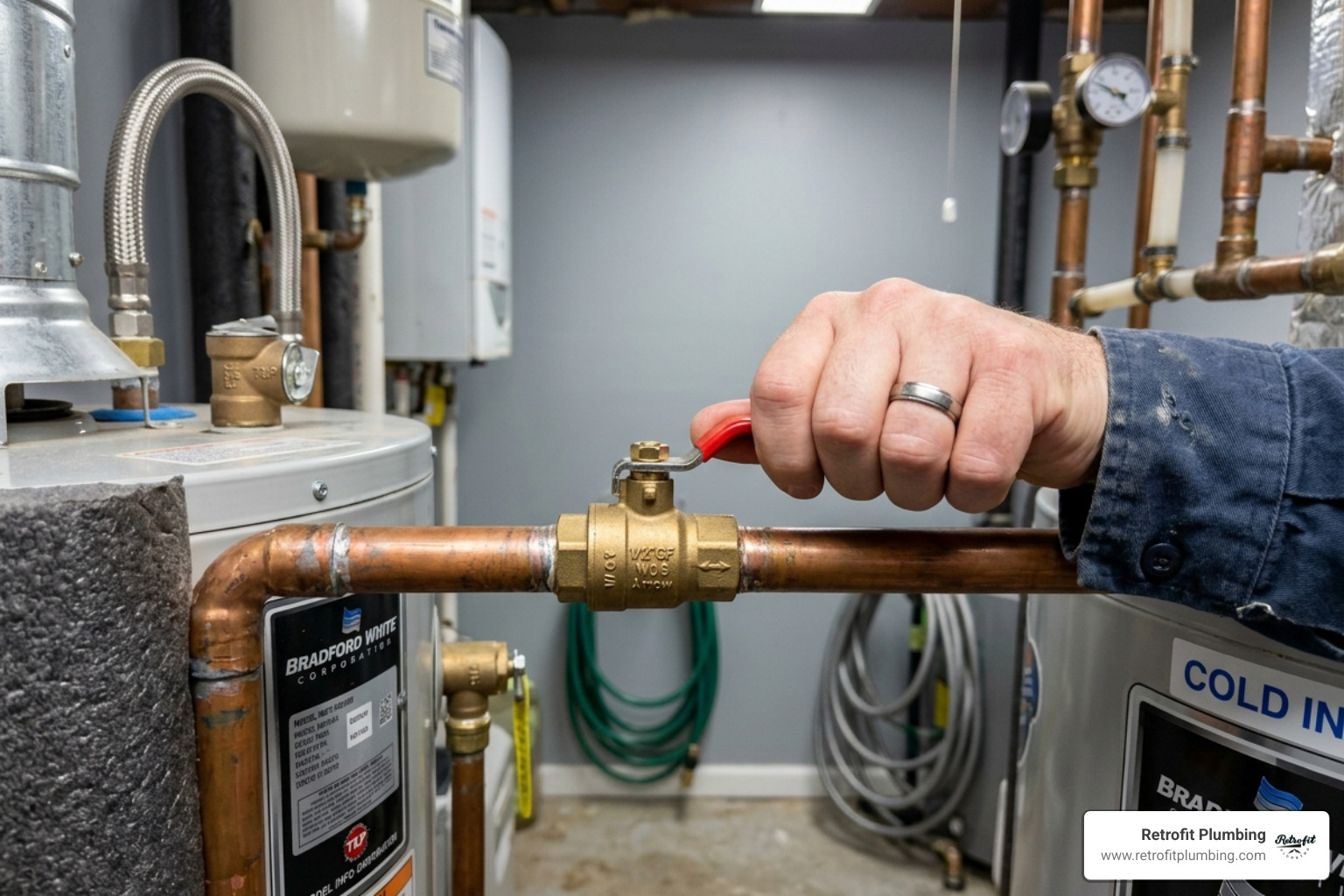
- Shut off the cold water supply valve on the pipe entering the top of the unit — turn it clockwise until it stops.
- Cut the power — flip the dedicated breaker for electric units, or turn the gas control knob to "Pilot" for gas models.
- Contain the water — use towels, buckets, or a wet vac to minimize floor damage.
- Do not use hot water anywhere in the home until the issue is resolved.
- Call a licensed plumber if you see pooling water, smell gas, or lose hot water completely.
These five steps can be the difference between a manageable repair and thousands of dollars in water damage.
Water heater failures range from minor nuisances — like a tripped breaker or a pilot light that went out — to serious emergencies, like a tank leak that can release 40 to 80 gallons of water in minutes. Mold can start growing within 24 to 48 hours of water exposure, so speed matters here.
I'm Josh Klimp, a licensed plumber with 20+ years of experience handling everything from new construction in commercial medical facilities to emergency service calls in residential homes across the South Sound — including plenty of hot water heater emergency situations that needed fast, decisive action. In the sections below, I'll walk you through exactly what to do, step by step, so you can protect your home while you wait for a pro.
Recognizing the Signs of a Failing Unit
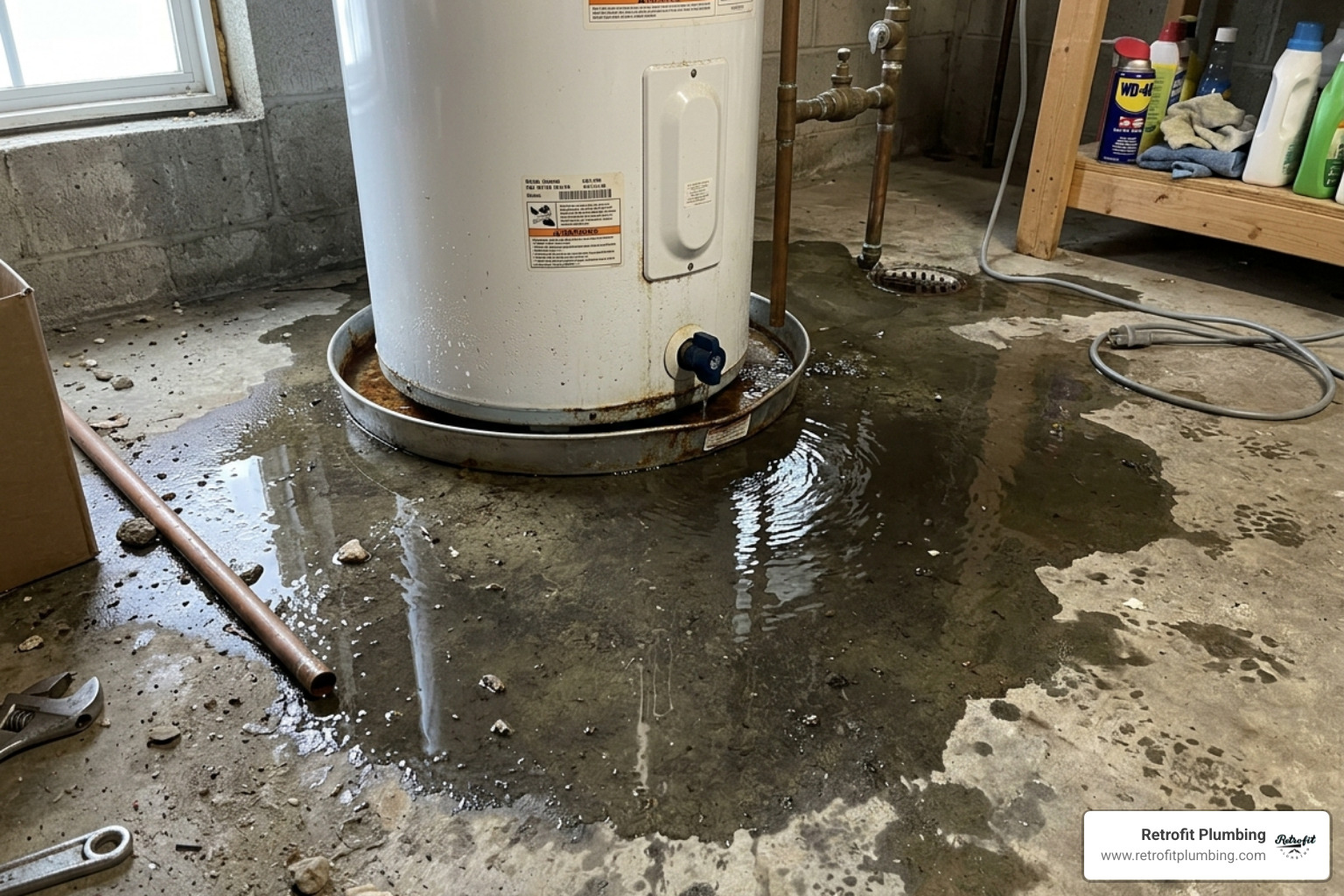
Living in Western Washington, we’re used to the sound of rain on the roof, but the sound of water pooling in your basement or utility closet is a different story entirely. Identifying a hot water heater emergency early can save you from a massive headache.
Often, your water heater will try to "talk" to you before it gives up the ghost. If you hear loud popping, banging, or rumbling noises, your tank is likely suffering from sediment buildup. This is known as "kettling." As minerals from our local water supply settle at the bottom of the tank, they trap water underneath. When that water heats up, it bubbles through the sediment layer like a miniature volcano, which can eventually overheat the tank bottom and lead to a Water Heater Leaking situation.
Other red flags include:
- Discolored or Rusty Water: If your hot water looks like weak tea but the cold water is clear, your tank’s internal lining or the sacrificial anode rod is likely corroding.
- The "Rotten Egg" Smell: This sulfurous odor usually points to bacterial growth inside the tank, often caused by a deteriorating anode rod.
- Visible Puddles: As noted in this guide on what to do if your water heater is leaking, any moisture around the base of the unit is an immediate cause for concern.
Immediate Steps to Take During a Hot Water Heater Emergency
When you find yourself in the middle of a hot water heater emergency, panic is your worst enemy. We’ve seen homeowners in Renton and Kent try to "patch" a leaking tank with putty or tape—trust us, that never works. The internal pressure of a water heater is far too high for a DIY bandage.
The first priority is safety and damage mitigation. If you see a major leak, you need to treat it with the same urgency as a burst pipe. Emergency Plumbing situations require you to stop the flow of water and energy immediately.
How to safely shut off your unit in a hot water heater emergency
Shutting down the system is a two-part process: stopping the water and stopping the heat source.
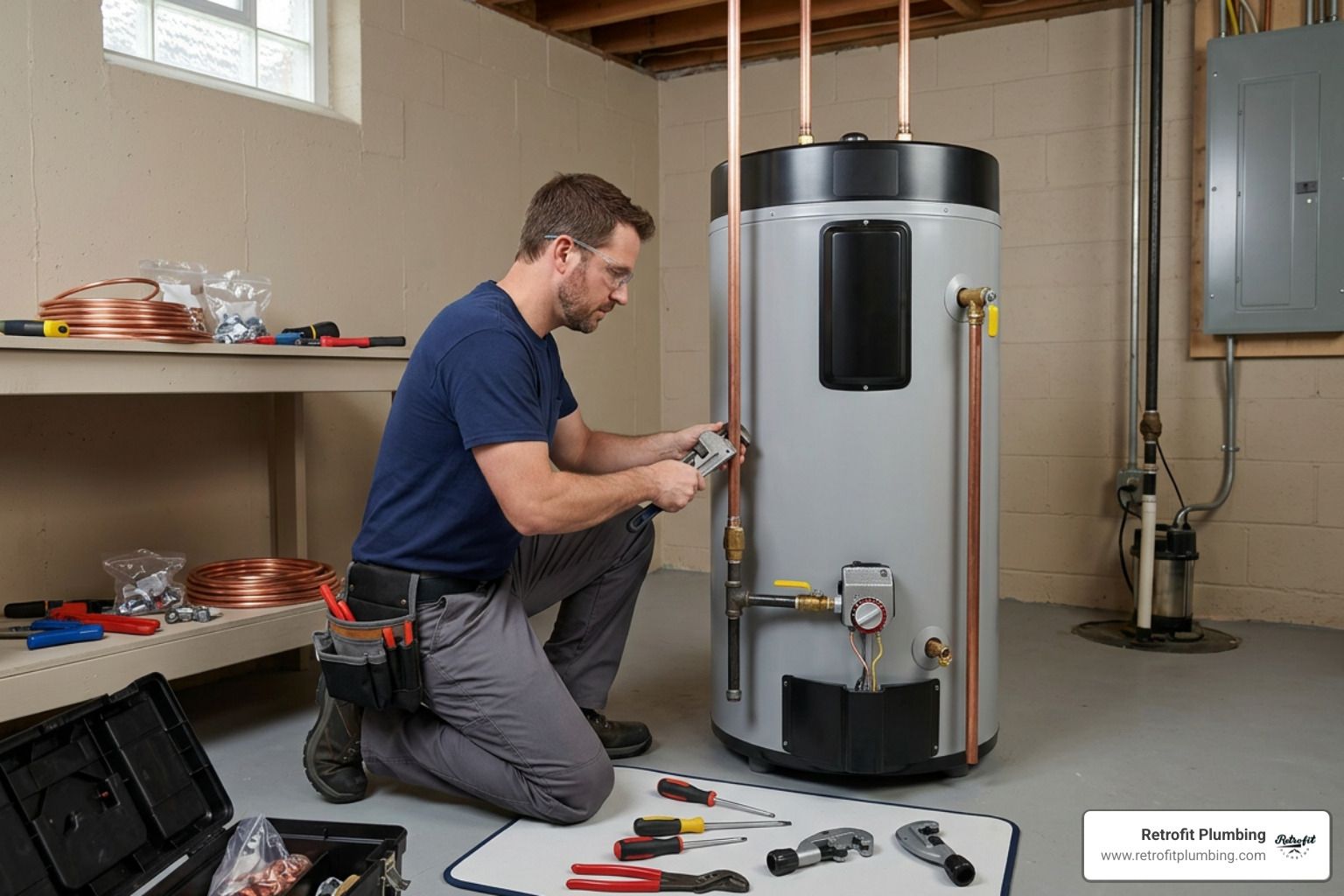
- Locate the Water Shut-Off: Look for the cold water pipe entering the top of the heater. Most modern homes in Bellevue and Kirkland have a lever valve(ball valve). Turn the handle 90 degrees so it is perpendicular to the pipe. Older homes may have a wheel valve(gate valve) that you must turn clockwise until it is tight. If the valve is stuck or leaking, use your home’s main water shut-off valve.
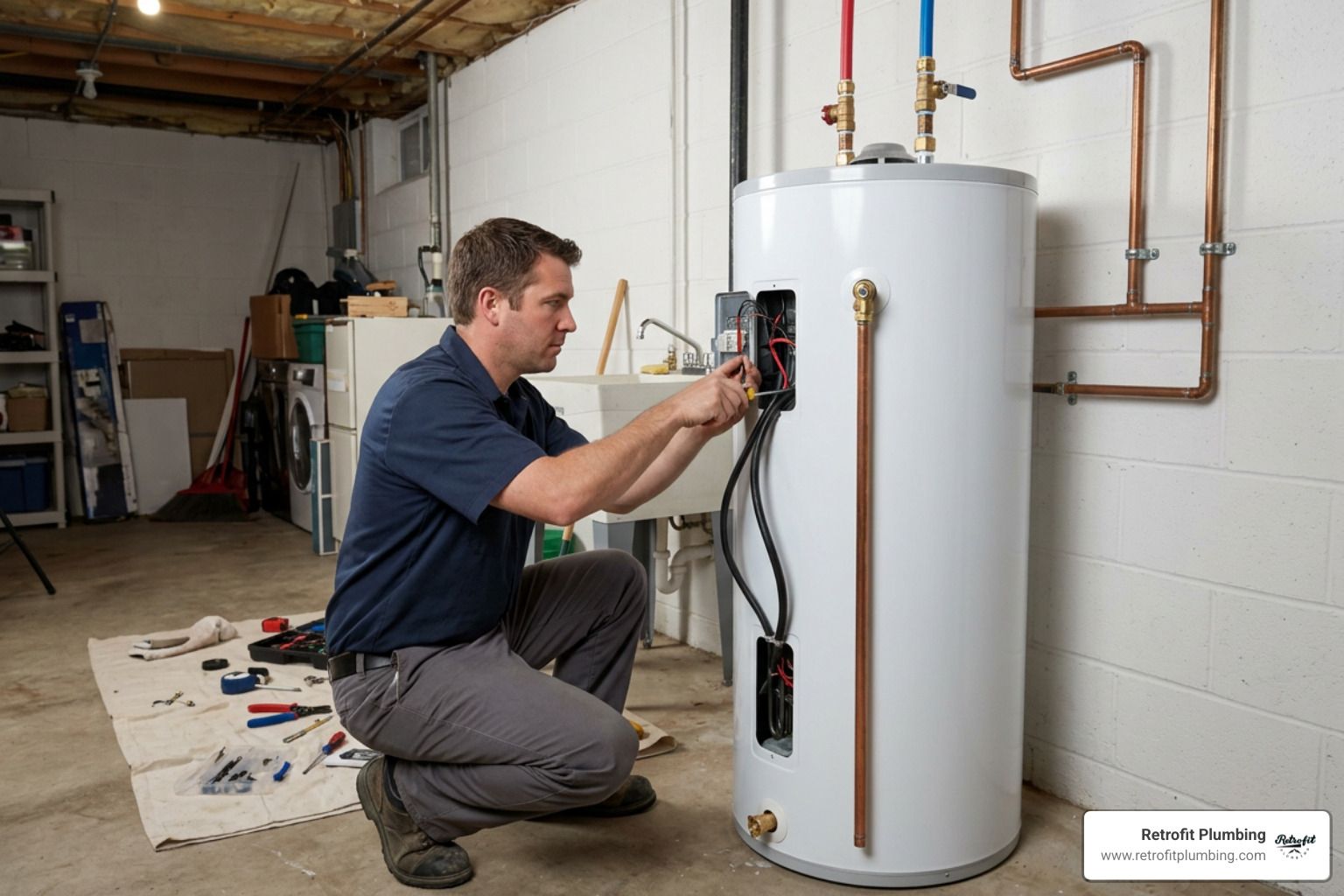
- Disconnect the Power (Electric): Go to your home’s electrical panel. Find the double-pole breaker labeled "Water Heater" (usually 30 or 40 amps) and flip it to the OFF position. Never work on an electric unit while the power is on; water and electricity are a lethal combination.
- Shut Off the Gas (Gas Models): If you have a gas unit, locate the gas control knob on the front of the heater. Turn it to the "Pilot" or "Off" position. If you smell gas (that distinct "rotten egg" smell), do not flip any light switches or use your phone inside. Evacuate the house and call for help immediately.
For more localized help, our Emergency Plumber Covington Guide provides specific tips for South King County residents.
Troubleshooting no hot water during a hot water heater emergency
Sometimes the "emergency" isn't a flood, but rather the sudden realization that your morning shower is ice cold. Before you call us for a Water Heater Repair, there are a few quick checks you can perform.
- Check the Power/Gas: For electric units, see if the circuit breaker has tripped. For gas units, check if the pilot light has gone out.
- The Reset Button: Electric water heaters have a red "High-Limit" reset button located behind the access panel. If the water gets too hot, this safety switch trips. Pressing it once might restore power, but if it trips again, you likely have a faulty thermostat or heating element.
- Thermostat Settings: Ensure your thermostat hasn't been bumped. We recommend setting it to 125°F. Setting it higher than 140°F significantly increases the pressure inside the tank and can lead to a hot water heater not working properly or even failing prematurely.
Troubleshooting Gas vs. Electric Model Failures
Understanding which type of unit you have is crucial when managing a hot water heater emergency.
For Gas Heaters: The most common point of failure is the pilot light or the thermocouple. The thermocouple is a safety device that senses the heat of the pilot flame; if it fails, it shuts off the gas supply to prevent a dangerous buildup. If your pilot won't stay lit, the thermocouple likely needs cleaning or replacement. Also, check your gas shut-off valve—in some parts of the Puget Sound area, automatic seismic shut-off valves can trip during minor tremors or even heavy construction nearby.
For Electric Heaters: Electric units rely on two heating elements (upper and lower). If the upper element fails, you’ll have no hot water at all. If the lower one fails, you’ll have some hot water, but it will run out very quickly. A professional can use a multimeter to test these elements for "continuity." If the reading isn't between 10-30 ohms, the element is dead. If you're dealing with these technical hurdles, our 247 Emergency Plumber Covington Guide can help you navigate the next steps.
Repair vs. Replacement: Evaluating Your Unit's Future
When we arrive at a home in Auburn or Tacoma for a hot water heater emergency, the first question is always: "Can you fix it, or do I need a new one?"
Most water heaters have a lifespan of 8 to 12 years. If your unit is in that age bracket and the tank itself is leaking from the bottom, a Plumber Water Heater Replacement is almost always the better financial move.
| Issue | Repairable? | Recommendation |
|---|---|---|
| Leaking Pipe Connection | Yes | Tighten or replace fitting |
| Faulty T&P Valve | Yes | Replace valve only |
| Failed Heating Element | Yes | Replace element |
| Leaking Tank Body | No | Full Replacement Required |
| Age > 12 Years | Maybe | Consider replacement for efficiency |
A leaking tank usually means the internal steel has corroded through. No amount of welding or patching will safely hold back the pressure. Furthermore, modern units are significantly more energy-efficient, often paying for themselves in utility savings over a few years.
Preventing Future Failures with Regular Maintenance
The best way to handle a hot water heater emergency is to prevent it from happening in the first place. April 2026 is the perfect time to start a maintenance routine before the busy summer season.
- Flush the Tank Annually: Connect a garden hose to the drain valve at the bottom of the tank and run it to a floor drain or outside. This removes the sediment that causes "kettling" and corrosion.
- Check the Anode Rod: This "sacrificial" rod hangs inside the tank and attracts corrosive elements so the tank doesn't have to. Check it every 2-3 years; if it’s thinner than 1/2 inch, replace it.
- Test the T&P Valve: The Temperature and Pressure relief valve is your tank's "emergency exit." Lift the lever periodically to ensure water flows through the discharge pipe. If it doesn't, you may need to be replacing the water heater relief valve to prevent a pressure explosion.
- Monitor the Aquastat: Keep your temperature at 125°F. This is hot enough to kill bacteria but cool enough to prevent scalding and excessive pressure buildup.
Frequently Asked Questions about Water Heater Emergencies
What is the most common cause of a water heater leak?
The most common cause is internal corrosion due to age or a depleted anode rod. However, high water pressure is a silent killer. If your home's water pressure is above 80 PSI, it puts constant stress on the tank's seams, leading to premature failure.
Is no hot water considered a plumbing emergency in Washington?
In the middle of a cold Pacific Northwest winter, yes. Lack of hot water can be a health and safety issue, especially for households with children or the elderly. We treat "no hot water" calls with high priority to ensure your family stays comfortable.
Can a water heater actually explode if the valve fails?
While extremely rare thanks to modern safety standards, it is physically possible. If the thermostat fails and keeps heating the water, and the T&P valve is stuck shut, the pressure can exceed the tank's structural limits. This is why testing your T&P valve annually is so critical.
Conclusion
From the banks of the Cedar River to the shores of Lake Washington, we know how much local families rely on their home systems. Whether you're getting ready for Covington Days or just trying to get through a rainy Monday, a hot water heater emergency shouldn't ruin your week.
At Retrofit Plumbing, we pride ourselves on being part of this community. We love the towering Douglas firs, the local parks, and the hardworking people of the South Sound. That’s why we offer honest pricing and same-day service—because we know that when your water heater fails, you don't have time to wait.
If you’ve followed the emergency steps above and still need a hand, we’re here for you. From simple repairs to an Efficient Hot Water Tank Installation By Retrofit Plumbing In Covington, our team has the tools and the local expertise to get your hot water flowing again. Stay dry, stay warm, and give us a call if you need us!