When a Buried Pipe Leaks Near Seattle, Every Hour Counts
Fixing an underground water pipe is more urgent than most homeowners realize — especially in the Pacific Northwest, where wet soil, Douglas fir roots, and older infrastructure can turn a small leak into a costly disaster fast.
Here's a quick overview of how to fix a leaking buried water pipe:
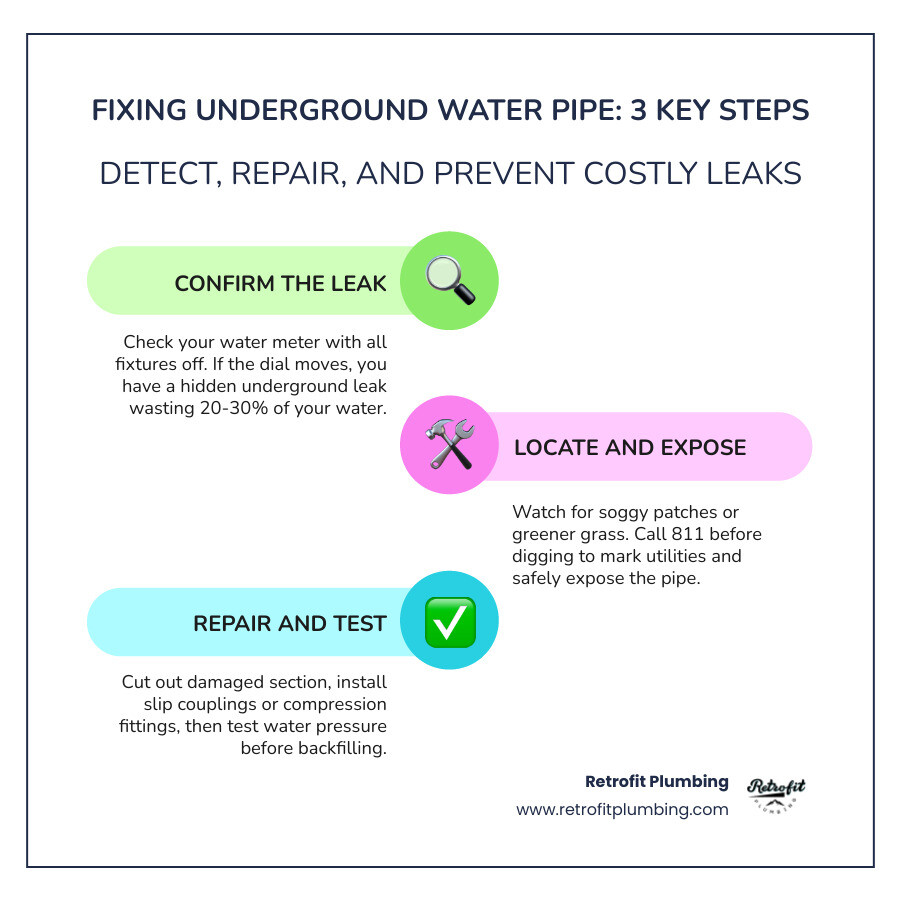
- Confirm the leak — Check your water meter with all fixtures off. If the dial still moves, you have a leak.
- Locate the break — Look for soggy patches, greener grass, hissing sounds, or low water pressure.
- Call 811 — Always have underground utilities marked before you dig.
- Shut off the main water supply — At the meter or main shutoff valve.
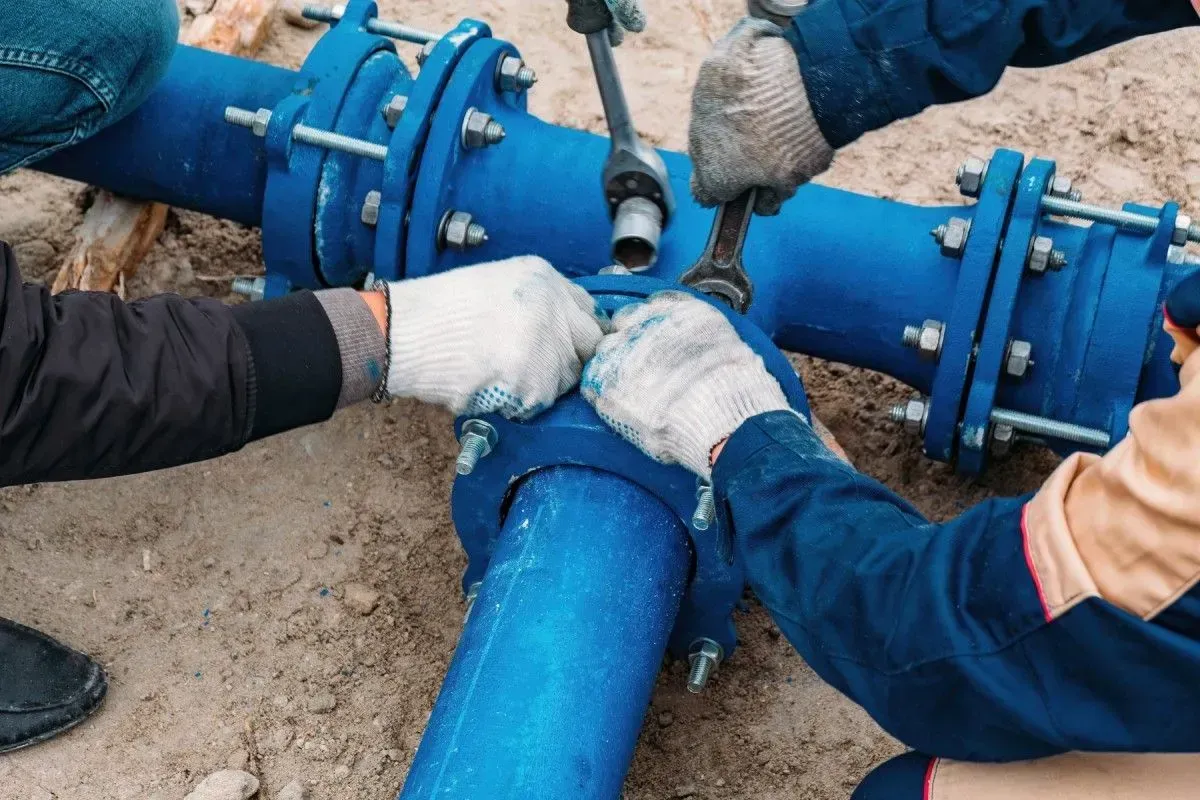
- Expose the pipe — Dig carefully at an angle to avoid further damage.
- Cut out the damaged section — Use a pipe cutter and make clean, square cuts.
- Install replacement pipe — Use solvent cement and slip couplings for PVC, compression fittings for quick repairs, or call a pro for trenchless options.
- Test before backfilling — Restore water pressure slowly and check for leaks.
- Backfill and compact — Replace soil in layers and restore your lawn.
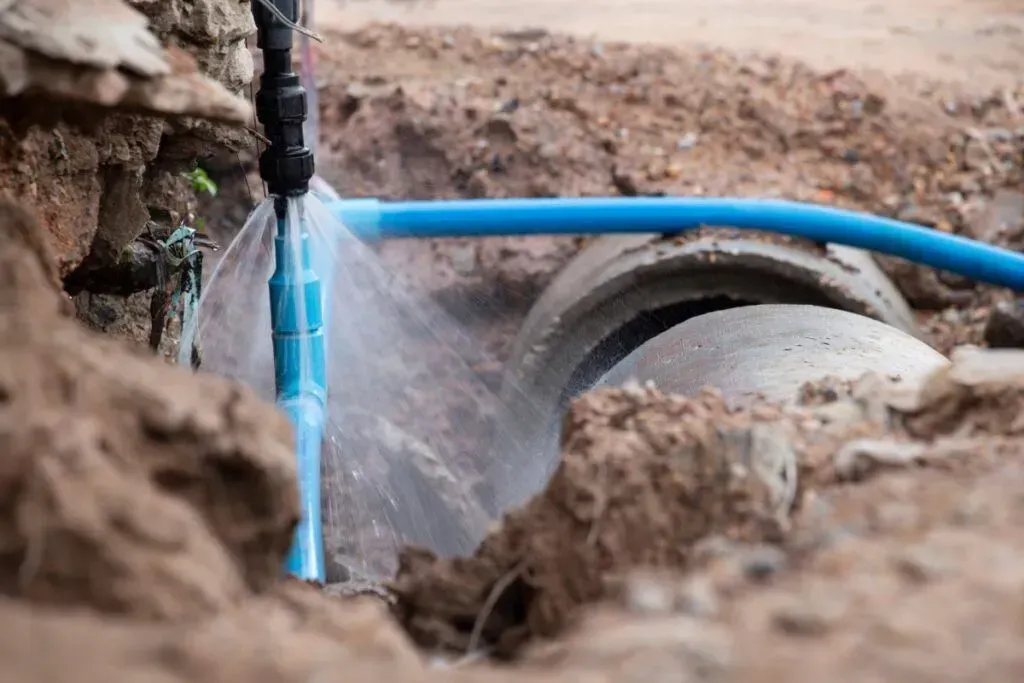
Underground leaks are a bigger problem than they look. They can silently waste 20–30% of your household water, spike your Seattle Public Utilities bill, and — left unrepaired — cause foundation damage averaging $5,000–$10,000 in repairs. If you're near Discovery Park, Green Lake, or anywhere in the South Sound, the combination of heavy rainfall and invasive tree roots makes buried pipe failures especially common.
I'm Josh Klimp, and with over 20 years of plumbing experience — including service and repair work across residential and commercial properties throughout the Seattle area — I've seen how quickly an undetected underground leak can escalate. Fixing underground water pipe problems is something I deal with regularly, and this guide covers everything you need to know, whether you're tackling it yourself or deciding when to call a pro.
Identifying the Signs of a Leaking Buried Line
In the Renton Highlands or the lush neighborhoods of Bellevue, a leaking pipe doesn't always announce itself with a geyser. Because our Pacific Northwest soil is often naturally damp, many homeowners miss the early warning signs until their water bill arrives with a shocking total.
The first and most reliable diagnostic tool you have is the water meter test. To perform this, ensure every faucet, dishwasher, and washing machine in your home is turned off. Head out to your meter box—usually located near the sidewalk or street. If the small triangular flow indicator or the digital read-out is moving, water is escaping somewhere between the meter and your home.
Beyond the meter, keep an eye out for these physical indicators:
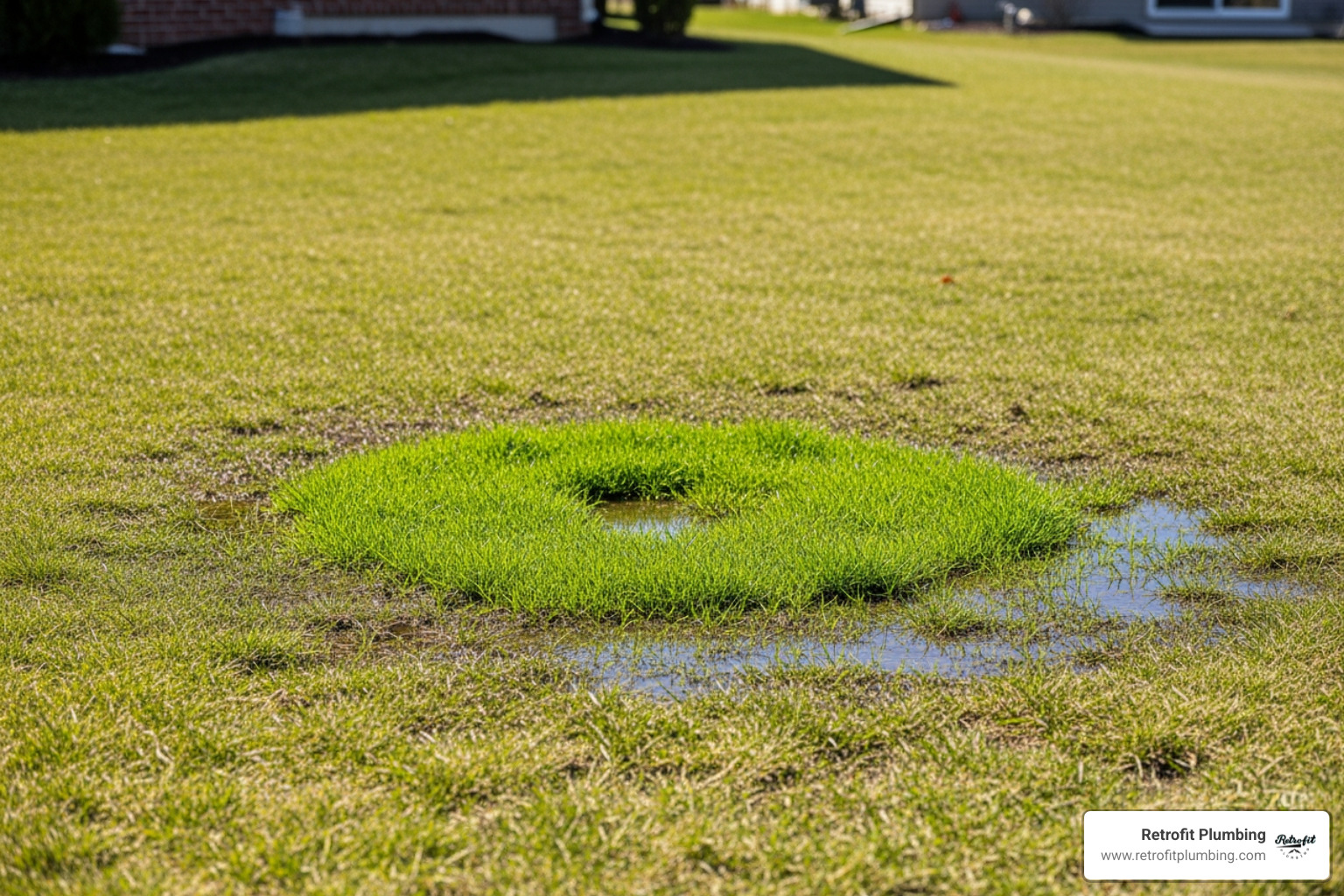
- Unexplained Soggy Patches: If you notice a "marshy" spot in your yard during a dry spell in July or August, that’s a major red flag.
- Hissing or Splashing Sounds: Sometimes, if you stand near the suspected area in the quiet of the night, you can actually hear the vibration or "hiss" of pressurized water escaping into the soil.
- Sudden Drop in Water Pressure: If your morning shower feels more like a light drizzle, a major break in the main line could be the culprit.
- Foundation Issues: Water from a buried line can travel along the exterior of the pipe and pool against your home's foundation, leading to cracks or settling.
If you suspect a problem but can't find the exact spot, our Leak Detection Service Complete Guide offers deeper insights into the professional technology we use to pinpoint breaks. For those in immediate need of help, searching for Water Main Repair Near Me will connect you with our local experts who understand the specific soil conditions of the Puget Sound region.
Essential Tools for Fixing Underground Water Pipe
Before you grab a shovel and start tossing dirt, you need to know what you’re up against. The type of pipe buried in your yard dictates the tools and materials required for a permanent fix. In Seattle, we see everything from modern PEX and PVC to older copper and even "Blue Max" (polyethylene) lines.
[TABLE] Underground Pipe Material Comparison
| Pipe Material | Common Use | Repair Method | Pros/Cons |
|---|---|---|---|
| PVC (Polyvinyl Chloride) | Irrigation & Main Lines | Solvent Welding / Slip Couplings | Cheap and easy; can be brittle in cold soil. |
| Copper (Type K or L) | Main Water Service | Soldering / Compression Fittings | Extremely durable; requires torch skills to repair. |
| PEX (Cross-linked Polyethylene) | Modern Service Lines | Crimp Rings / Push-to-Connect | Flexible and freeze-resistant; requires specific crimp tools. |
| Galvanized Steel | Older Homes (Pre-1960s) | Threaded Couplings | Prone to internal corrosion; usually requires full replacement. |
The DIY Toolkit: To successfully navigate fixing underground water pipe issues, we recommend having the following ready:
- A sturdy shovel and a hand trowel: For delicate work near the pipe.
- Pipe Cutters: Ensure they are rated for the material (hacksaws work for PVC, but a dedicated cutter makes a square cut).
- Deburring Tool: To smooth the edges of the cut pipe for a watertight seal.
- PVC Primer and Solvent Cement: Essential for plastic lines.
- Compression Fittings: These are lifesavers for quick repairs on copper or plastic without needing a torch. You can learn more about this method in this guide on How to Seal an Underground Water Line Leak | DoItYourself.com.
Step-by-Step Guide to Manual Pipe Repair
Manual repair is a labor of love—mostly labor. In neighborhoods like Bellevue or Kirkland, the water line is typically buried at least 18 inches deep to stay below the frost line.
Step 1: Safety First (Call 811). This is non-negotiable. Before you stick a shovel in the ground, you must have your utilities marked. Striking a gas line or an underground power cable is a danger you don't want to face.
Step 2: Shut Down the System. Turn off the main water supply. If you have a Burst Pipe Repair Complete Guide handy, you’ll know that depressurizing the system is vital before making any cuts.
Step 3: Excavation. Dig a hole large enough to give you at least a foot of clearance all the way around the pipe. This "work zone" is necessary for your tools to fit and to ensure you don't get mud in your new fittings. If the damage is extensive, you might be looking at a Main Water Replacement rather than a simple patch.
Locating and Exposing the Leak Safely
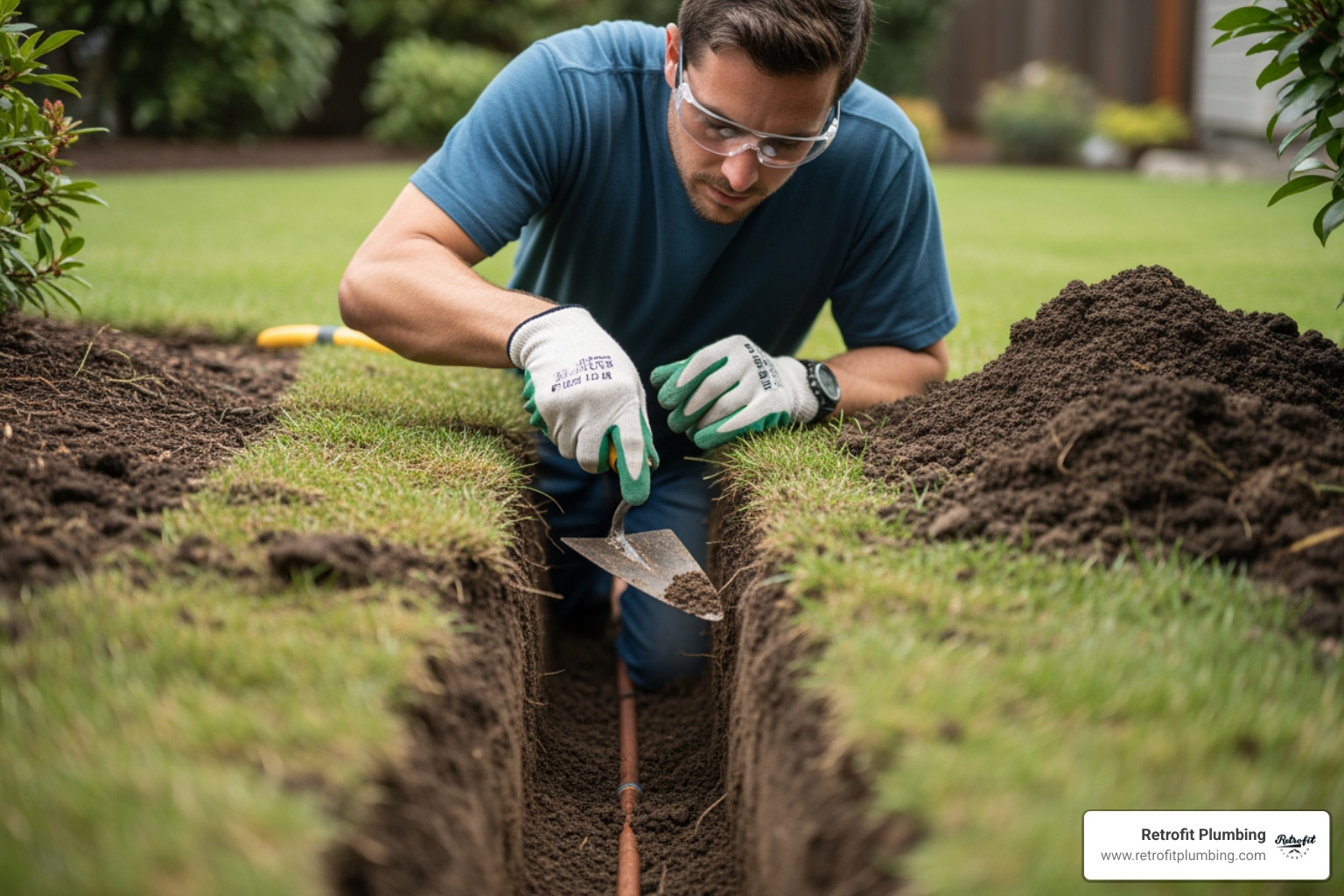
Once you've dug down to the general area, the soil will be muddy. Use a hand trowel or even your hands to clear the last few inches of dirt. We often use acoustic devices or ground microphones to "listen" for the leak, but a DIYer can often find it by having a helper briefly turn the water back on while you watch for the "bubbling" source.
Always dig at an angle rather than straight down. This prevents you from accidentally "chopping" the pipe with the sharp edge of your shovel. Once exposed, clean the pipe thoroughly with a rag. Any grit left on the surface will ruin a seal. For more on the nuances of this process, check out How To Repair A Broken Underground Water Line.
Fixing Underground Water Pipe with Couplings
For PVC pipes, the most common method is solvent welding.
- Cut out the damaged section (usually about 6 inches).
- Dry-fit a "slip coupling" or a "telescoping repair coupling."
- Apply primer, then solvent cement.
- Slide the coupling into place and hold for 60 seconds.
If you're dealing with copper, you'll need to sand the pipe ends to a shine, apply flux, and use a propane torch with lead-free solder to sweat a new coupling into place. If you aren't comfortable with a torch in a muddy hole, compression fittings provide a mechanical seal that is perfectly acceptable for underground use. For a detailed breakdown of these different methods, see How To Fix An Underground Water Leak.
Important: Always allow at least 30 minutes for PVC glue to set before testing, though a full 24-hour cure time is recommended before high-pressure use.
Trenchless Technology: The Modern Seattle Solution
If you live in a beautiful Kent neighborhood with a manicured lawn and a paved driveway, the thought of digging a 50-foot trench is a nightmare. That's where trenchless technology comes in.
Trenchless repair methods can reduce property disturbance by up to 90%. Instead of a long trench, we dig two small access pits - one at the meter and one at the house.
- Pipe Bursting: We pull a high-density polyethylene (HDPE) pipe through the old one. A heavy-duty "bursting head" breaks the old pipe apart while simultaneously laying the new one.
- Epoxy Relining: For certain types of damage, we can coat the inside of your existing pipe with a specialized resin that cures into a "pipe within a pipe."
These methods aren't just faster; they can extend the life of your underground pipes by 50 years or more. For residents in the Eastside, professional water line repair in Bellevue is often the preferred choice to save those expensive landscaping features. You can explore our full range of Services Main Water Lines to see if your property is a candidate for trenchless technology.
Frequently Asked Questions about Buried Pipe Repair
How much does foundation damage from a leak cost?
Unrepaired underground leaks are a silent threat to your home's structural integrity. Water pooling under a slab or near a basement wall can cause soil erosion, leading to foundation settling. Homeowners in the Seattle area face average repair costs of $5,000-$10,000 for foundation stabilization. Fixing the leak early can reduce your water bills by 10-20% and save you from these massive structural bills later.
Can tree roots from Bigleaf Maples cause pipe bursts?
Absolutely. In the Northwest, our Bigleaf Maples and Douglas firs have incredibly thirsty root systems. During our dry summers, these roots seek out the condensation on water pipes or tiny leaks at joints. Once a root hair penetrates a pipe joint, it expands, eventually cracking the pipe or causing a total blockage. We often see this in older neighborhoods where trees have had 40+ years to grow over the utility lines.
When should I call a professional for fixing underground water pipe?
While a small irrigation leak is a great Saturday project, you should call a professional if:
- The leak is on the main service line(the line between the meter and your home).
- The pipe is buried deeper than 3 feet.
- The pipe is made of galvanized steel or lead.
- The leak is under a driveway, sidewalk, or your home's foundation.
- You need to meet local permit requirements. For instance, a professional Main Water Line Repair expert in Kirkland is often required to ensure the work meets city code and is properly inspected.
Conclusion
Fixing underground water pipe issues doesn't have to be a source of stress. Whether you’re tackling a small PVC repair in your garden near Seward Park or you need a full trenchless replacement for your home in Covington, taking action early is the key to preventing property damage and high utility bills.
At Retrofit Plumbing, we are proud to serve our Northwest community. From the rainy streets of Seattle to the quiet suburbs of Renton and Bellevue, we love keeping this region's plumbing flowing smoothly. We offer honest pricing, fully stocked trucks for same-day service, and a 100% satisfaction guarantee.
If you suspect a leak under your lawn, don't wait for a sinkhole to form. Contact us today for expert Main Water Line Install & Repair. We’ll get your water back on and your yard back to its beautiful, Pacific Northwest best.