Deep Pipe Clogs Are a Real Problem — Here's How to Fix Them Fast
Fix clogged pipes before they turn into a costly emergency — here's a quick breakdown of the most effective methods:
| Method | Best For | Difficulty |
|---|---|---|
| Boiling water | Minor grease or soap buildup | Easy |
| Baking soda + vinegar | Organic matter, mild clogs | Easy |
| Plunger | Sink, tub, or toilet clogs | Easy |
| Drain snake (auger) | Deep blockages beyond the trap | Moderate |
| Hydro-jetting | Stubborn grease, roots, scale | Professional |
| Video inspection + rooter | Main line or sewer clogs | Professional |
If you're dealing with a slow drain, a gurgling sound when you flush, or water backing up in multiple fixtures at once — you've got a deep pipe obstruction. That's not just an annoyance. Left alone, it can mean sewage backup, pipe damage, and a repair bill that stings.
According to industry surveys, about 20% of homeowners regularly deal with clogged toilets, and another 15% struggle with backed-up drains. In the South Sound — where older homes sit under canopies of Douglas firs and Western Red Cedars, and where clay or cast-iron pipes are still common in neighborhoods like Covington and Kent — deep clogs are especially frequent.
The good news: many deep pipe obstructions can be cleared without calling a plumber, if you know the right steps.
I'm Josh Klimp, a licensed plumber with over 20 years of experience running commercial and residential plumbing projects across the Pacific Northwest. I've cleared hundreds of deep pipe obstructions — from grease-packed kitchen lines in office renovations to root-invaded sewer mains in older South Sound homes — and I'll walk you through exactly how to fix clogged pipes safely and effectively.
Common Culprits: Why You Need to Fix Clogged Pipes
In our corner of the world, from the rainy streets of Seattle to the quiet suburban blocks of Covington, we face a unique set of plumbing challenges. When we go out to fix clogged pipes, we aren't just looking at hair and soap; we are looking at the local environment.

The most common causes for deep obstructions include:
- Invasive Tree Roots: Our beautiful Douglas firs and Western Red Cedars have thirsty roots that can sniff out a tiny crack in a sewer line from yards away.
- Grease and Fat Buildup: Kitchen grease doesn't stay liquid. It cools and crystallizes on pipe walls, eventually acting like "plumbing cholesterol" that narrows the passage until nothing can get through.
- Mineral Deposits: Hard water is a reality for many in King County. Over time, calcium and magnesium build up, creating a rock-hard scale that restricts flow.
- Foreign Objects: We've seen everything from "flushable" wipes (which aren't actually flushable) to children's toys and dental floss.
If you are noticing slow drainage throughout your home, you might need drain rooter services to clear out these stubborn blockages. For those living in the South Sound, Sewer Drain Clog Repairs For Covington is one of our most requested services because of the age of the local infrastructure.
The Danger of Invasive Roots in Western Washington
If you live in an older home in Kent or Auburn, your sewer lines might be made of clay or cast iron. These materials are prone to shifting and cracking over the decades. Once a root from a nearby cedar finds its way inside, it grows rapidly, fueled by the nutrient-rich water flowing through your pipes.
Root barriers can help during landscaping, but once the roots are in, you need professional De Rooting Plumbing to clear the line without destroying the pipe itself.
How Hard Water Affects Bellevue and Renton Homes
While we love our Northwest water, homes in Bellevue and Renton often deal with higher mineral content. This hard water leads to calcium buildup that slowly chokes your pipes. This isn't just a "deep pipe" issue; it affects your faucets and showerheads too. For a closer look at how these minerals impact your daily life, check out our Clogged Sink Repair Complete Guide.
Safe DIY Strategies to Fix Clogged Pipes
Before you panic and assume you need a full sewer replacement, there are several safe DIY methods to try. We always recommend starting with the least invasive option.
The First Line of Defense: Boiling Water and Plungers
For a kitchen sink clogged with grease, a simple kettle of boiling water can sometimes do the trick. The heat melts the congealed fats, allowing them to flush through.
Pro Tip: If you're using a plunger on a sink or tub, apply a bit of petroleum jelly to the rim of the plunger. This creates a much tighter seal, giving you the suction power needed to dislodge a clog. Also, remember to block the overflow drain with a wet rag to ensure the pressure goes down the pipe, not out the vent. For more specific tub advice, see our guide on Clogged Bathtub Fix.
The Science of Baking Soda and Vinegar to Fix Clogged Pipes
This isn't just a middle-school volcano project; it’s a legitimate way to manage minor clogged drains.
- The Reaction: When you mix baking soda (a base) and vinegar (an acid), they create carbon dioxide gas.
- The Effect: The fizzing action helps loosen organic matter and soap scum from the pipe walls.
- The Method: Pour half a cup of baking soda down the drain, followed by half a cup of white vinegar. Cover the drain for 15 minutes, then flush with a gallon of boiling water.
Why Chemical Cleaners Are Risky for Puget Sound Plumbing
We strongly advise against using harsh chemical drain cleaners. Products containing sodium hydroxide or sulfuric acid generate intense heat. While this can dissolve hair, it can also warp PVC pipes, corrode older metal pipes, and absolutely wreak havoc on septic systems common in rural areas outside Issaquah.
Furthermore, if the chemical doesn't clear the clog, you're left with a pipe full of toxic "soup." This makes it much more dangerous for a plumber to help you later. If your toilet is the issue, chemicals are rarely the answer anyway—stick to a flange plunger or an auger for clogged toilets.
Step-by-Step: Using a Drain Auger for Deep Obstructions
When the plunger fails, it’s time to bring out the "big guns"—the drain snake, also known as a drum auger. This tool is essential for reaching obstructions that are several feet deep, well past the P-trap.
How to Fix Clogged Pipes with a Manual Auger
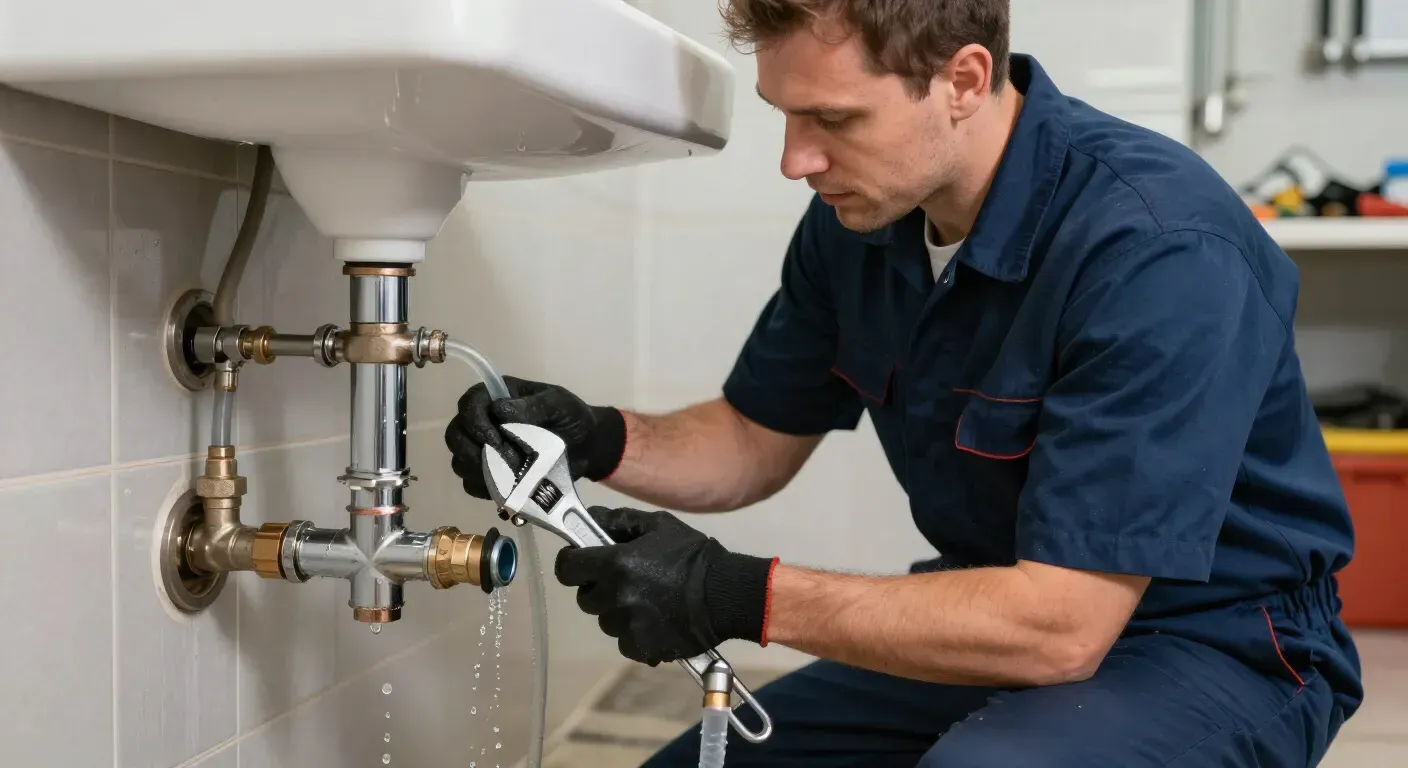
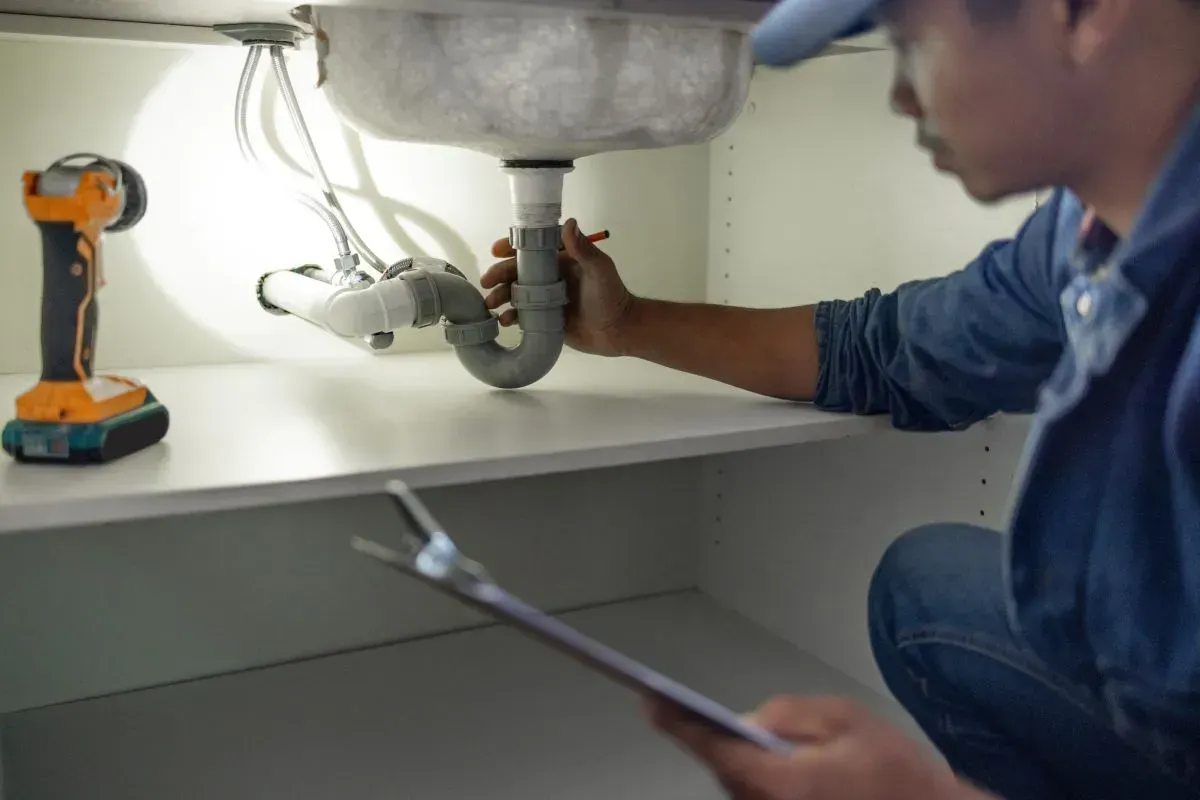
- Access the Pipe: For a sink, it's often best to remove the P-trap (the U-shaped pipe underneath) and insert the snake directly into the wall pipe.
- Feed the Cable: Slowly push the cable into the pipe. When you hit a bend, rotate the handle clockwise while pushing forward.
- Find the Resistance: When the cable stops moving easily, you've likely hit the clog. Don't force it too hard; instead, continue the clockwise rotation to "hook" the material.
- Retrieve and Flush: Slowly pull the cable back out. You'll likely find a mass of hair or debris on the end. Clean the snake and repeat until the line is clear, then flush with hot water.
For a detailed walkthrough on snaking different types of drains, you can refer to This Old House's guide or Bob Vila’s expert tips. If this sounds like more than you want to tackle on a Saturday morning, we offer Professional Drain Cleaning Covington services to get it done right the first time.
Safety Precautions for Deep Pipe Snaking
Snaking a drain can be messy and potentially hazardous. Always follow these safety steps:
- Eye Protection: Cables can flick back or splash dirty water into your eyes.
- Rubber Gloves: Protect your hands from bacteria and sharp debris.
- Ventilation: Deep clogs can release sewer gases; keep a window open or a fan running.
- Tension Watch: If the cable gets stuck, don't keep cranking. The tension can build up and cause the cable to "snap" back, which can cause injury.
If the clog is deep in your Sewer Lines, the stakes are higher, and a professional touch is often safer for your home's integrity.
When to Call a Professional for Stubborn Main Line Clogs
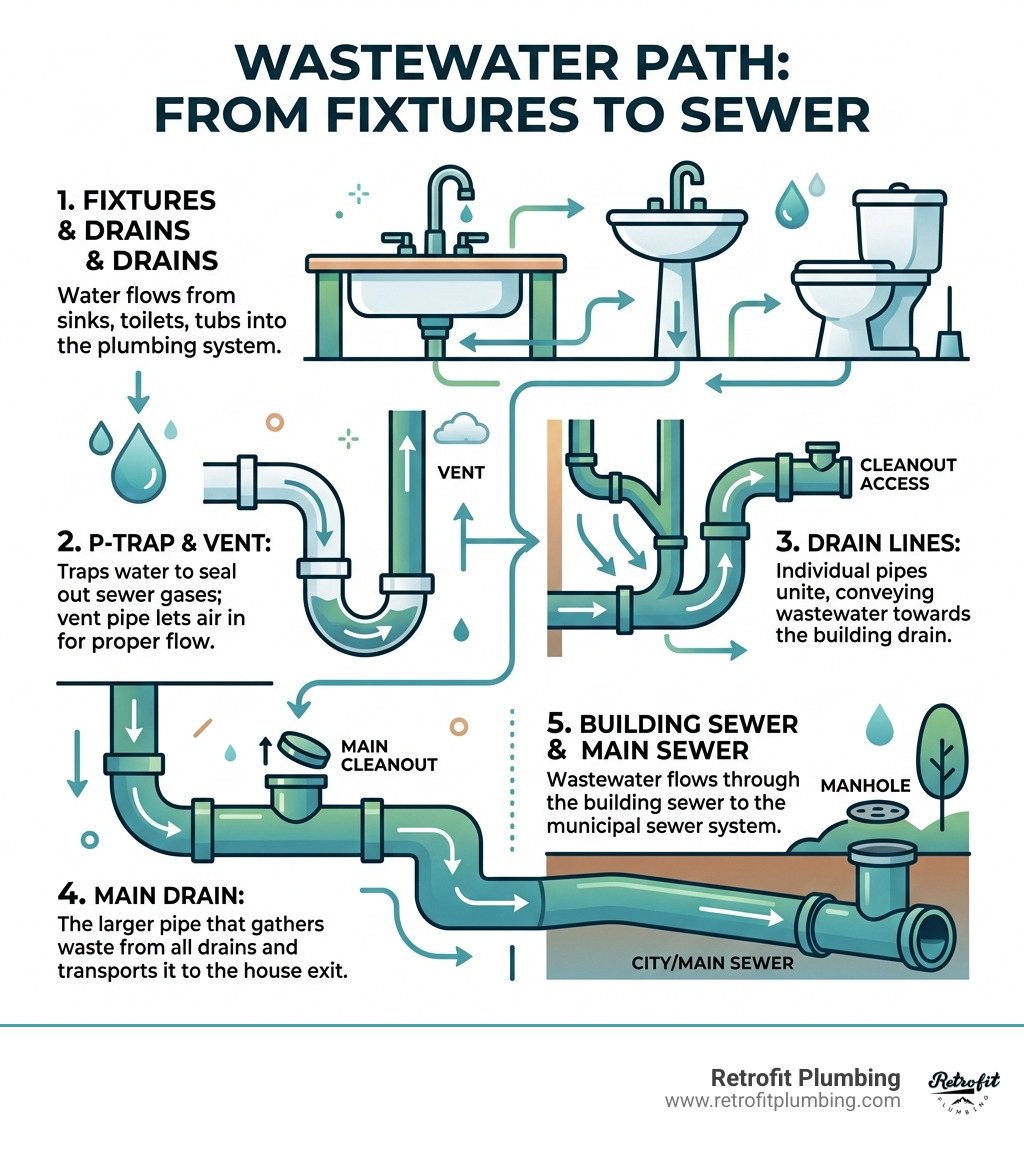
Sometimes, DIY isn't enough. If you have water backing up into your shower when you run the washing machine, or if multiple drains are slow at once, you have a main line issue.
Identifying Main Line Failures in Older Neighborhoods
In places like Kirkland or Renton, we often find that the problem isn't just a clog—it's the pipe itself.
- Improper Slope: If a pipe wasn't installed with the right "fall," waste settles rather than washing away.
- Pipe Belly: Ground settling can cause a section of the pipe to sag, creating a permanent pool where debris collects.
- Collapsed Lines: Old clay pipes can eventually crumble under the weight of the soil above.
In these cases, we use video inspection to see exactly what's happening. If the line is structurally sound but packed with grease or roots, we use hydro-jetting —a high-pressure water stream that scours the pipe walls clean. For more serious damage, we might recommend trenchless technology to repair Sewer Lines without digging up your entire yard.
The Cost of Professional Drain Clearing in 2026
In April 2026, the typical cost for professional drain snaking in the Seattle-Bellevue area ranges from $175 to $350, depending on the complexity. Hydro-jetting or main line work can be more. At Retrofit Plumbing, we believe in upfront pricing. We don't like surprises any more than you do, which is why we offer a 100% satisfaction guarantee on all our clogged drains services.
Preventive Maintenance for Northwest Homeowners
The best way to fix clogged pipes is to prevent the clog from happening in the first place.
| Maintenance Task | Frequency | Benefit |
|---|---|---|
| Clean hair strainers | Weekly | Stops the #1 cause of bathroom clogs |
| Baking soda/vinegar flush | Monthly | Prevents soap scum and minor grease buildup |
| Professional inspection | Every 2-3 years | Catches root intrusion before the pipe collapses |
| Seasonal gutter cleaning | Bi-annually | Prevents yard debris from entering perimeter drains |
FOG (Fats, Oils, Grease): Never pour these down the sink. Collect them in a can, let them solidify, and throw them in the trash. Even small amounts should be diluted with plenty of dish soap and hot water.
Mesh Screens: These are the cheapest insurance you can buy for your plumbing. Use them in every shower and tub to catch hair before it reaches the deep pipes. For more tips on keeping your system healthy, revisit our Clogged Sink Repair Complete Guide.
Frequently Asked Questions about Clogged Pipes
What is the safest way to clear a kitchen grease clog?
The safest way is to use a combination of boiling water and grease-cutting dish soap. If that fails, a manual sink auger is the next step. Avoid chemical cleaners, as they can solidify the grease further down the line.
Can I use a drain snake on a toilet?
You should use a specific tool called a toilet auger(or closet auger). Standard drain snakes have exposed metal cables that can permanently scratch and "track" the porcelain of your toilet bowl. Toilet augers have a protective sleeve to prevent this.
Why does my sink gurgle when I flush the toilet?
This is a classic sign of a blocked vent pipe or a partial main line clog. When you flush, the water pushes air ahead of it. If that air can't escape through the roof vent, it forces its way out through the nearest trap—your sink—causing that gurgling sound.
Conclusion
Living in the beautiful Pacific Northwest means dealing with big trees and plenty of rain, both of which put extra stress on our plumbing. Whether you're in Covington, Bellevue, Renton, or Issaquah, knowing how to fix clogged pipes can save you a lot of stress.
Start with the simple stuff: boiling water, baking soda, and a good plunger. If you need to go deeper with an auger, work slowly and safely. But remember, when the gurgling won't stop or the water starts backing up into the tub, it's time to call in the experts.
At Retrofit Plumbing, we are proud to serve our local communities with honest pricing, fully stocked trucks, and same-day service. We love the Northwest, from the hiking trails near Issaquah to the bustling markets in Seattle, and we want to keep your home running smoothly. If you've got a deep pipe obstruction that just won't budge, give us a call—we're here to help.