Why Backflow Testing in Covington WA Protects Your Family's Drinking Water
Backflow testing Covington WA is required annually by Covington Water District for all properties with backflow prevention assemblies — including irrigation systems, fire sprinklers, and commercial plumbing.
Quick answers at a glance:
- Who requires it: Covington Water District, under Washington State law (WAC 246-290-490)
- How often: Once per year, minimum
- Who can test: Only Washington State Certified Backflow Assembly Testers (BAT)
- Cost range:$120–$180 (residential) | $200–$280 (commercial)
- Where to submit results: Directly to Covington Water District after each test
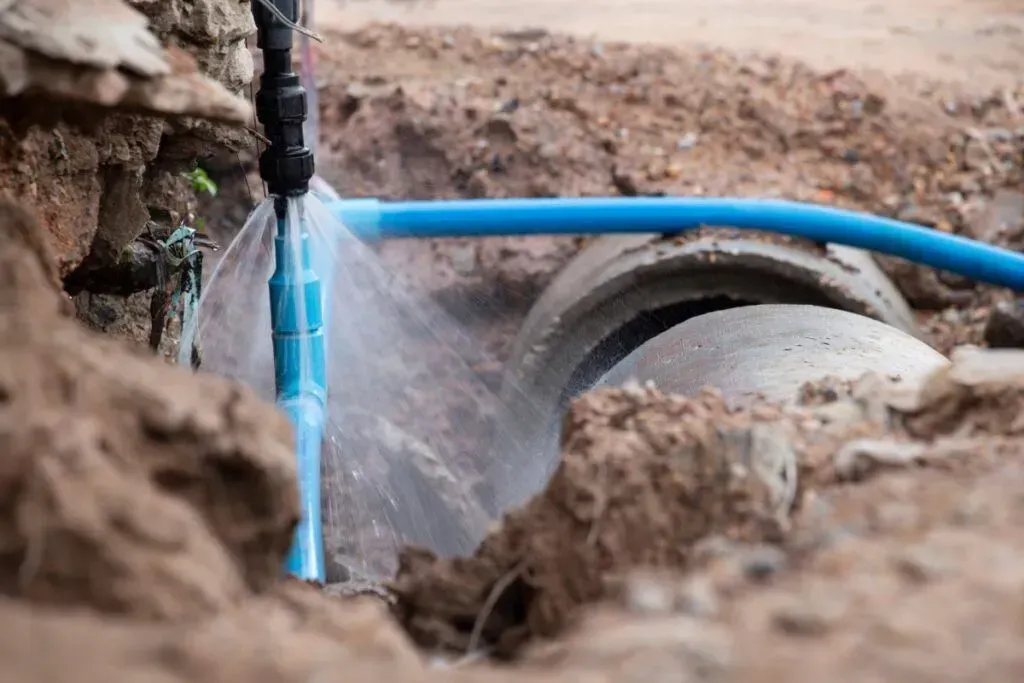
Backflow happens when water flows backwards through your pipes — pulling contaminants like fertilizers, chemicals, or bacteria back into the clean water supply. It's a real public health risk, and it can happen silently without any obvious warning signs.
That's why Covington Water District runs a Cross Connection Control Program. It's designed to stop contaminated water from ever reaching your tap — or your neighbor's.
For a busy homeowner, dealing with this compliance requirement on top of everything else can feel overwhelming. This guide breaks it all down simply.
I'm Josh Klimp, a licensed plumber with 20+ years of experience in commercial and residential plumbing, including backflow testing Covington WA compliance work across King County. Read on for everything you need to know to stay compliant, protect your water, and avoid service interruptions.
Understanding Backflow Testing Covington WA Requirements
In our neck of the woods, the Covington Water District takes water purity seriously. They operate under the mandate of WAC 246-290-490, a Washington State regulation that requires water purveyors to protect the public supply from contamination. This is managed through the Cross Connection Control Program.
A "cross-connection" is any point where the clean water in your pipes could potentially meet something "non-potable" (not safe to drink). Think of your lawn irrigation system: the water sits in the pipes in your yard, mixing with fertilizers, pesticides, and maybe even pet waste. If a sudden drop in city water pressure occurs—perhaps due to a nearby fire hydrant being opened or a water main break—that "dirty" yard water can be sucked backward into your home’s drinking water.
To prevent this, the District requires premise isolation. This means a mechanical backflow prevention assembly must be installed at the point where the water meter connects to your property. This device acts like a one-way street, ensuring water goes into your home but can never turn around and head back into the city’s main lines. You can find the full list of Backflow Prevention Requirements | Covington Water District, WA on their official site.
Annual Backflow Testing Covington WA Schedules
Compliance isn't a "one and done" deal. Because these mechanical devices have springs, seals, and moving parts that can wear out or become clogged with debris, they must be tested with a specific frequency.
- Mandatory Frequency: Every backflow assembly in Covington must be tested annually.
- Compliance Deadlines: The District usually sends out reminder notices 30 to 60 days before your test is due.
- Enforcement: If you miss your deadline, the District will send a second notice.
- Consequences: Failure to comply isn't just a paperwork issue; it’s a safety issue. The Water District has the authority to terminate water service to your property to protect the public supply if a high-hazard connection remains untested.
If you find yourself facing a water shut-off or a sudden leak at your assembly, we offer emergency plumbing services to get you back into compliance quickly.
Finding a Certified Backflow Testing Covington WA Specialist
You can't just have a handy neighbor or a general contractor look at your valve. In Washington, only a Washington State Certified Backflow Assembly Tester (BAT) is legally allowed to perform these tests and sign off on the official reports.
These specialists undergo rigorous training and must maintain their professional certification through the state. When looking for a tester, ensure they are on the approved list for our area. You can consult the Washington Certification Services Backflow Assembly Tester List to find verified professionals who know the specific reporting requirements for the Covington Water District.
Mandatory Prevention for Residential and Commercial Systems
Different setups require different levels of protection. A standard single-family home usually has lower risks than a commercial chemical plant, but both need protection.
- Irrigation Systems: These are the most common residential backflow hazards. Because they sit in the soil, they are prone to collecting bacteria and chemicals.
- Fire Sprinkler Requirements: Fire systems often have stagnant water sitting in pipes for years. This water becomes "black" and non-potable. For nonresidential fire sprinklers with no chemicals, a Double Check Detector Assembly is standard.
- Multi-family Dwellings: Apartments and condos often require larger, more complex assemblies due to the sheer volume of water and potential for cross-connections.
- Commercial Hazards: Businesses like dental offices, car washes, or restaurants with soda machines have high-hazard connections that often require the most robust protection available.
Here is a quick comparison of the two most common types of assemblies we see in Covington:
| Feature | Double Check Valve Assembly (DCVA) | Reduced Pressure Backflow Assembly (RPBA) |
|---|---|---|
| Risk Level | Low to Medium Hazard | High Hazard |
| Common Use | Residential Irrigation, Fire Sprinklers | Chemical injectors, Car washes, Soda machines |
| Mechanism | Two independent check valves | Two check valves plus a relief valve |
| Failure Sign | Usually silent; requires testing | Visibly drips or dumps water from relief valve |
Protecting your property's water often goes hand-in-hand with maintaining your waste lines. If you're concerned about your overall system health, we also provide expert sewer services in Covington.
Installation Standards and Locations
Where your device is located matters just as much as what type it is. In Covington, the standard is premise isolation.
- Water Meter Connection: The assembly must be installed on the customer's side of the property line, as close to the water meter as possible.
- Level Installation: For the internal parts to work correctly, the assembly must be installed level and according to manufacturer specifications.
- Protection from Freezing: Covington winters can be fickle. We see many devices fail because they weren't properly insulated or housed in a "hot box" (an insulated enclosure).
- Environmental Factors: Properties near Jenkins Creek or areas with high water tables may have specific drainage requirements for their backflow assemblies to ensure that if a relief valve opens, it doesn't flood the yard or create an environmental hazard.
The Cost of Compliance and Testing Procedures

Budgeting for your annual backflow testing Covington WA doesn't have to be a guessing game. Based on local market data, here is what you can expect:
- Testing Costs: Standard residential testing typically ranges from $120 to $180 per device. For commercial systems, which are often larger and more complex, the cost is usually between $200 and $280.
- Installation Costs: If you are putting in a new system or replacing an old one, costs range from $450 to $1,200. Standard residential setups are on the lower end ($450–$750), while commercial installations range from $850 to $1,200+.
The 7-Step Testing Process
When we arrive for a test, we follow a standardized procedure to ensure your water stays safe:
- Scheduling & Notification: We coordinate a time that works for you, ideally before your District deadline.
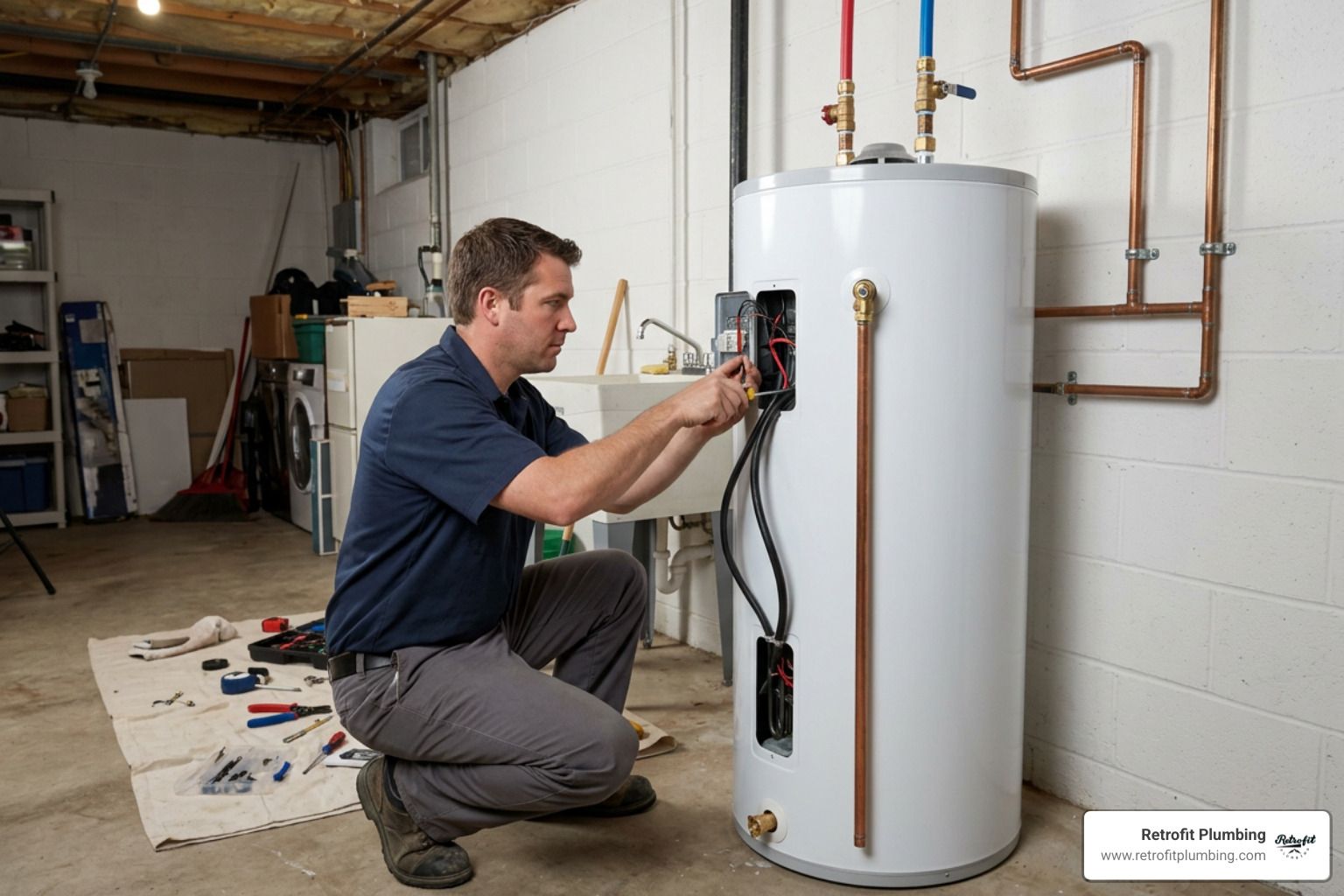
- Visual Inspection: We check the assembly for cracks, leaks, or illegal bypasses.
- Pressure Testing: Using a calibrated differential pressure gauge, we check the PSI drop across the check valves.
- Documentation: We record the exact pressure readings for each valve.
- Repairs (If Needed): If a valve fails, we can often clean the internal "seats" or replace the rubber seals on the spot.
- Reporting: We complete the official Test and Maintenance Report.
- Submission: We submit the results to the Covington Water District on your behalf.
Documentation and Submission Guidelines
The job isn't finished until the paperwork is filed. After your backflow testing Covington WA is complete, a Test and Maintenance Report must be generated.
Covington Water District requires these reports to be submitted promptly after the test. As your service provider, we handle the heavy lifting here. We maintain digital records of your test results, which is helpful if the District ever loses a file or if you sell your home and need to prove compliance.
Proper documentation is a hallmark of a professional plumbing system. Whether it's backflow or sewer drain clog repair, having a clear paper trail protects your property value and your legal liability.
Homeowner Guide: Warning Signs and Preparation
While backflow is often a "silent" problem, there are warning signs that your assembly might be failing or that backflow is occurring:
- Discolored Water: If your tap water suddenly looks brown, yellow, or pink, stop drinking it immediately.
- Sulfur Odors: A "rotten egg" smell can indicate that stagnant water from a fire line or irrigation system has entered your drinking water.
- Pressure Fluctuations: Sudden drops in water pressure can be a precursor to a backflow event.
How to Prepare for Your Test
To make the process go smoothly, homeowners should:
- Clear Work Areas: Ensure the technician has at least 3 feet of clearance around the backflow assembly.
- Turn Off Irrigation: If the test is for your sprinkler system, ensure the controller is accessible or turned off.
- Identify the Location: If your assembly is in a crawlspace or behind a locked gate, please let us know in advance!
For more specific details on system-specific rules, check out the Fire Sprinkler & Irrigation Backflow Requirements guide.
Frequently Asked Questions about Covington Backflow
What happens if my backflow assembly fails the test?
Don't panic! Most failures are caused by small bits of sand or debris getting stuck in the rubber seals. We can usually disassemble the valve, clean it, and re-test it. If the parts are worn out, we carry common repair kits on our trucks to fix it the same day.
Can I install or test my own backflow preventer?
In Covington, you can physically install the pipes if you have the proper permits, but the testing and certification must be done by a state-certified BAT. Most homeowners find it's safer and easier to have a pro handle the installation too, as the District has very specific rules about height, clearance, and drainage.
Why does Covington require testing every single year?
Mechanical devices fail. Springs lose tension and rubber seals get brittle. Because your backflow assembly is the only thing standing between your family and potentially toxic "yard water," the state and the District require annual verification to ensure those internal parts are still moving exactly as they should.
Conclusion
Staying on top of your backflow testing Covington WA requirements isn't just about avoiding a fine; it’s about being a good neighbor and keeping our local water supply pure. At Retrofit Plumbing, we make compliance easy. We offer honest pricing, fully stocked trucks for on-the-spot repairs, and a 100% satisfaction guarantee.
Whether you're in Covington, Renton, or Kent, we’re here to handle all your residential and commercial plumbing needs—from water heaters to backflow certification. Don't wait for the District to send a shut-off notice. Schedule your Covington plumbing service today and let us handle the paperwork for you!