Understanding the Sewer Line Belly: What is a Sagging Pipe?
Sagging sewer line repair is the process of diagnosing and fixing a section of underground pipe that has dropped out of alignment, creating a low spot where wastewater pools instead of flowing freely to the municipal sewer.
Quick answer - what to do about a sagging sewer line:
- Watch for signs- slow drains, gurgling toilets, sewage odors, or soggy patches in your yard
- Get a camera inspection- only a sewer camera can confirm a belly and show how severe it is
- Choose the right fix- minor sags may be monitored or lined; significant sags usually need excavation to restore proper slope
- Act fast- standing wastewater breeds bacteria, wears down pipe walls, and can lead to a full blockage or collapse
Most homeowners don't think about their sewer line until something goes wrong. By then, the damage is often well underway. A sagging section of pipe - sometimes called a sewer belly or pipe sag - quietly collects waste, grease, and debris every time water drains from your home. Over time, that buildup turns into recurring clogs, foul odors, and eventually sewage backups. The fix ranges from a targeted repair to a full pipe replacement, and the cost difference between catching it early and waiting can be significant.
I'm Josh Klimp, and with over 20 years of hands-on plumbing experience across residential and commercial projects - including sewer installation, repair, and permit work - I've seen how quickly a neglected sagging sewer line repair can go from a minor fix to a major expense. Let's walk through everything you need to know to make a smart, informed decision.

In plumbing, we often say that "water doesn't flow uphill." For your home's waste to leave the property, it relies entirely on a concept called gravity drainage. When a Sewer Line is installed, it must have a "positive slope"-a consistent downward tilt toward the city main or septic tank.
A sewer line belly, or pipe sag, occurs when a section of that pipe sinks or settles lower than the rest of the line. This creates a "negative slope" or a U-shaped dip. Instead of wastewater swooshing past, it hits this low spot and loses momentum. The result? Standing water.
When water sits still in a pipe, it isn't just a puddle; it's a trap. Heavy solids, toilet paper, and kitchen grease settle at the bottom of the sag. Over months or years, this sediment buildup causes a flow restriction that eventually leads to a total backup.
Common Causes and Symptoms of a Sagging Sewer Line
Why does a perfectly good pipe suddenly decide to take a dip? In our experience serving the Covington and Renton areas, it usually comes down to the ground beneath the pipe.
- Soil Erosion and Shifting: Heavy rains or underground water leaks can wash away the soil supporting the pipe.
- Improper Compaction: If the original installer didn't pack the "bedding" (the dirt and gravel under the pipe) tightly enough, the weight of the earth above will eventually push the pipe down.
- Tree Roots: While roots usually cause clogs by growing into pipes, they can also grow under them, shifting the pipe's position as they thicken.
- Temperature Swings: Drastic changes in ground temperature can cause the earth to expand and contract, leading to pipe movement.
If you suspect you need a sagging sewer line repair, keep an ear and a nose out for these symptoms:
- Slow Drains: If every sink in the house is sluggish, the problem is likely in the main line, not just one p-trap.
- Gurgling Toilets: That "glug-glug" sound after you flush is often air bubbles escaping through standing water in a belly.
- Sewage Odors: Stagnant waste in a sag breeds bacteria that releases foul-smelling gases into your yard or home.
- Soggy Patches: If the sag has caused a joint to separate, you might notice a patch of grass that is suspiciously green and damp.
If you are dealing with these issues, you may need Sewer Drain Clog Repairs for Covington to clear the immediate mess before addressing the structural sag.
Why Soil Conditions Lead to Sagging Sewer Line Repair Needs
The geology of the Pacific Northwest plays a huge role in pipe health. In areas like Kent and Auburn, we often deal with expansive clay and shifting glacial till. Clay soil is particularly tricky; it acts like a sponge, expanding when wet and shrinking during our dry summers. This constant "breathing" of the earth puts immense pressure on buried utilities.
Proper installation requires specific bedding materials-usually a mix of sand and fine gravel-to create a stable "cradle" for the pipe. If a builder used "native fill" (just the dirt they dug out of the hole) instead of proper bedding, the pipe is much more likely to sag. Local soil conditions and installation quality both play a major role in whether a line keeps its proper slope over time.
Professional Diagnosis: Why Camera Inspections are Essential
You can't fix what you can't see. In the old days, plumbers had to guess where a problem was and start digging. Today, we use high-definition waterproof cameras.

A video inspection is the only definitive way to diagnose a belly. When we run a camera through your line, we aren't just looking for cracks or roots. We are looking for "standing water." If the camera lens goes underwater and stays submerged for several feet before emerging back into the air, we've found a belly.
Modern cameras also feature "depth tracking" or "sondes." This allows us to pinpoint the exact location and depth of the sag from above ground, so we don't have to tear up your entire yard. This is a standard part of our process for diagnosing Clogged Drains that won't stay clear.
Identifying the Severity of a Sagging Sewer Line Repair
Not every sag is a 5-alarm fire. We categorize bellies based on their length and depth:
- Minor Sags: A belly less than 1/2 inch deep over a short distance might not cause immediate backups. These can often be monitored with annual cleanings.
- Moderate Sags: If the camera is partially submerged, solids will definitely start to collect.
- Severe Sags: If the camera is fully submerged (meaning the pipe is 100% full of standing water), a total blockage is inevitable.
Industry standards typically require a slope of 1/4 inch of fall per foot for 3-to-4-inch pipes. If your line has "flat-lined" or gone "negative," gravity can no longer do its job. A proper inspection helps determine whether the issue can be managed temporarily or whether excavation is the only reliable long-term fix.
The Dangers of Leaving a Sagging Line Unrepaired
It's tempting to just "snake the drain" and hope for the best. However, leaving a belly alone is a gamble. Standing wastewater is heavy and corrosive; over time, it can weaken the pipe walls, leading to a total pipe collapse.
Furthermore, the stagnant water is a breeding ground for harmful bacteria and can even lead to mold growth if the line leaks near your foundation. In extreme cases, a persistent leak from a sagged joint can undermine your home's structural integrity.
Effective Methods for Sagging Sewer Line Repair
Once we've confirmed the sag, we have to decide how to fix it. There is no "one size fits all" answer, but we generally look at two paths: Trenchless or Traditional.
| Feature | Trenchless (Lining/Bursting) | Traditional Excavation |
|---|---|---|
| Cost | $40-$200 per linear foot | $50-$500 per linear foot |
| Yard Damage | Minimal (1-2 small holes) | Significant (Long trench) |
| Slope Correction | Limited (unless bursting) | Complete Correction |
| Longevity | 50+ Years | 50+ Years |
For many homeowners, the goal is to find Expert Sewer Installation and Repair Services by Retrofit Plumbing in Covington that balance cost with long-term reliability.
Trenchless Solutions and Their Limitations
Trenchless methods are popular because they save your landscaping and driveway.
- CIPP (Cured-In-Place Pipe) Lining: This involves pulling an epoxy-saturated felt tube through your old pipe and inflating it. It creates a "pipe within a pipe." Crucial Note: Lining follows the existing path of the pipe. If the pipe sags, the liner will also sag. Lining is great for sealing leaks, but it cannot fix a major slope issue.
- Pipe Bursting: This involves pulling a new, high-density polyethylene (HDPE) pipe through the old one, breaking the old pipe apart as it goes. Because the new pipe is rigid, it can sometimes smooth out minor sags, but it still struggles with severe bellies.
The best repair method depends on the pipe material, depth, yard access, and how badly the original grade has been lost.
When Traditional Excavation and Replacement is Necessary
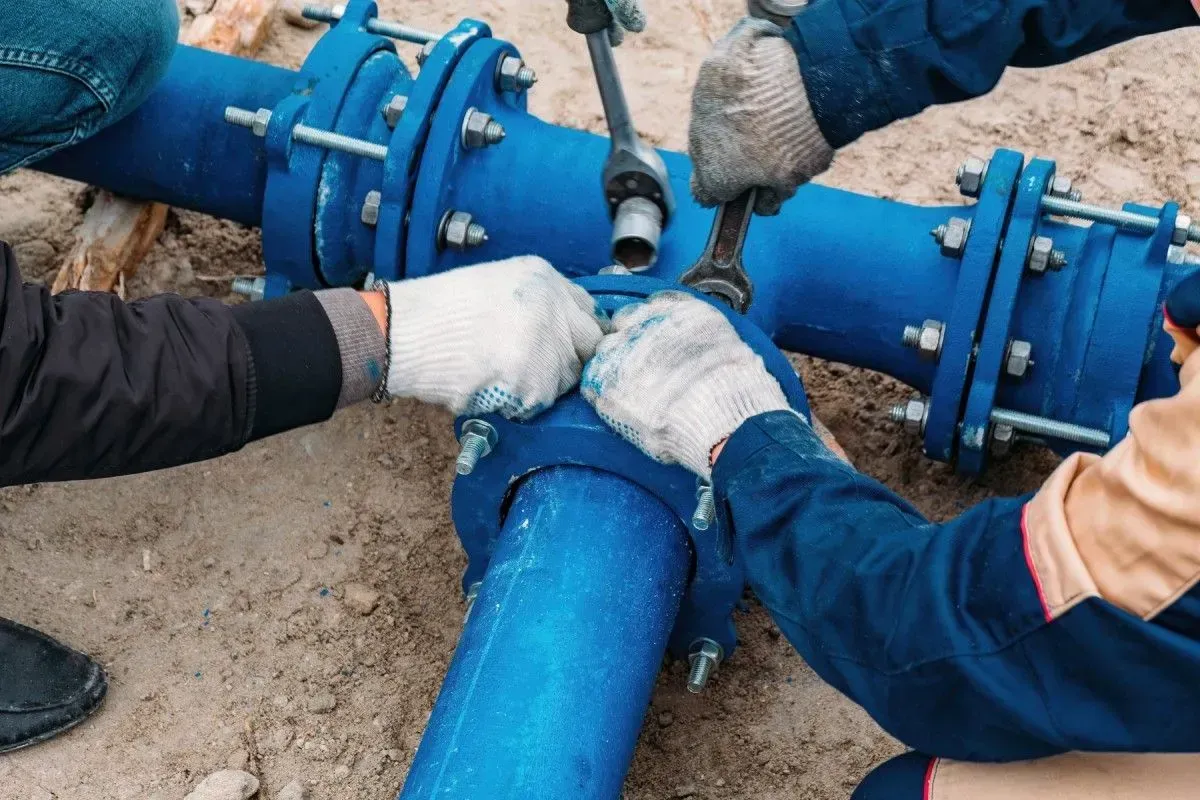
If your pipe has a severe belly-meaning it's sitting several inches below where it should be-the only permanent fix is traditional excavation.
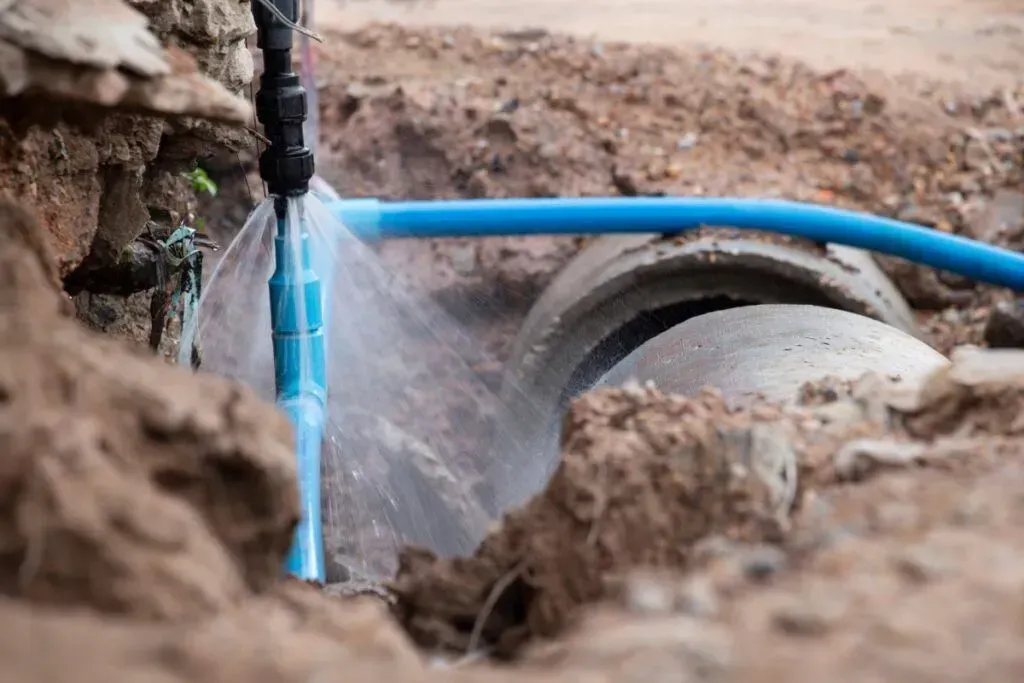
We have to dig down to the pipe, remove the sagged section, and-most importantly-fix the ground underneath. We replace the soft soil with compacted gravel and sand to ensure the new pipe stays at the correct 1/4-inch-per-foot slope. While more disruptive to your yard, this is the only way to "reset" the gravity in your system. For a technical breakdown of the "dig and replace" process, see How Can A Sag In A Gravity Sewer Line Be Fixed?.
Costs, Prevention, and Homeowner Responsibility
Let's talk numbers. Sagging sewer line repair is rarely a "cheap" fix, but it is an essential investment in your property value.
- Average Total Cost: Most Texas and Washington homeowners see bills ranging from $5,000 to $12,500 for a full replacement.
- Linear Foot Pricing: Traditional excavation often runs $50–$60 per foot, while trenchless methods like pipe bursting can range from $150 to $300 per foot depending on depth and soil.
- Restoration: Don't forget to budget for replacing grass, decks, or concrete that had to be moved.
The best way to avoid these costs is prevention. 20 years of routine annual inspections cost less than a single sewer replacement. During these inspections, we can use Drain Rooter Services to keep minor buildup from turning into a heavy sediment trap that worsens a sag.
Temporary Fixes vs. Permanent Solutions
If you aren't ready for a full repair, there are ways to manage a sagging line:
- Hydro Jetting: This uses high-pressure water to scour the inside of the pipe. It's very effective at clearing out the sludge and debris that collects in a belly.
- Snaking (Rooting): Good for breaking up a solid clog, but it won't clean out the liquid "slush" sitting in a sag.
- Chemical Cleaners: Use grease-eating bacteria treatments rather than harsh acids, which can damage older pipes.
While these methods provide relief, remember they are "band-aids." They don't fix the slope. Regular professional maintenance and cleaning can help keep things moving while you plan for a permanent fix.
Frequently Asked Questions about Sagging Sewer Lines
Can hydro jetting fix a sewer line belly?
No. Hydro jetting is a cleaning method, not a structural repair. It will remove the debris and standing waste, providing temporary relief and restoring flow. However, because the pipe is still physically sagging, the waste will begin to collect again the very next time you use your plumbing.
Is the builder responsible for a sagging line in a new home?
It depends on your local laws and the age of the home. In many cases, if a home is only a few years old, a sagging line is considered an installation error (improper soil compaction). You should check your builder's warranty and municipal inspection records. If the pipe failed to meet the required 1/4-inch slope at the time of installation, you may have a claim.
How much does it typically cost to repair a sagging sewer line?
As mentioned, most homeowners spend between $5,000 and $12,500. Factors that drive the price up include the depth of the pipe (digging 10 feet down is much more expensive than 3 feet), whether the pipe is under a concrete driveway, and the local cost of permits and inspections.
Conclusion
A sagging sewer line is one of those "hidden" home problems that only gets worse with time. Whether it's caused by the shifting clay soils of Kent and Auburn or poor installation in a newer Covington development, the result is the same: a ticking clock on your home's drainage.
At Retrofit Plumbing, we believe in honest pricing and permanent solutions. We serve Covington, Renton, Kent, Auburn, and the surrounding areas with fully stocked trucks and a 100% satisfaction guarantee. If you're hearing gurgles or smelling odors you can't explain, don't wait for a backup to flood your basement.
Contact us today for a professional camera inspection and let our experts help you determine the most cost-effective sagging sewer line repair for your home. We offer same-day service to ensure your life—and your wastewater—keeps flowing smoothly.