The Critical Differences Between Commercial and Residential Systems
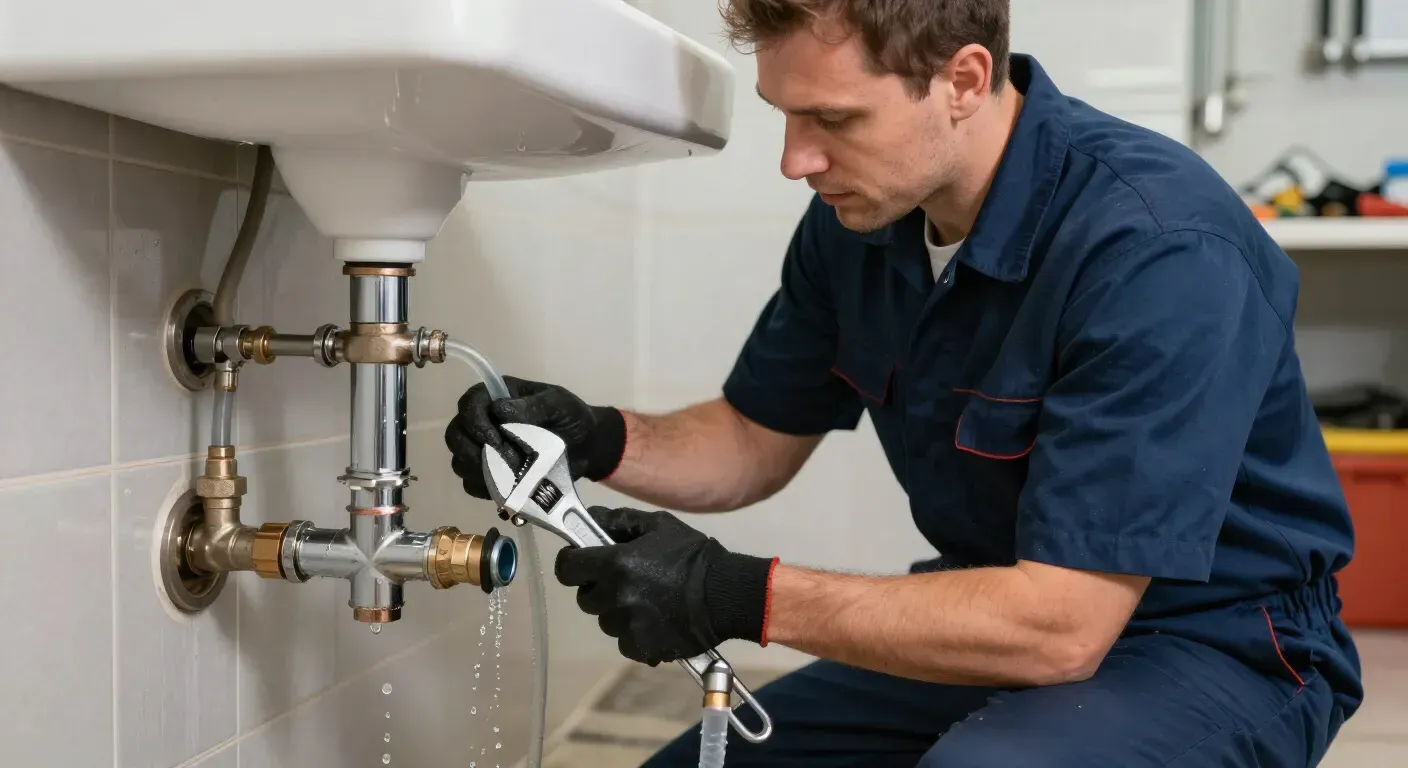
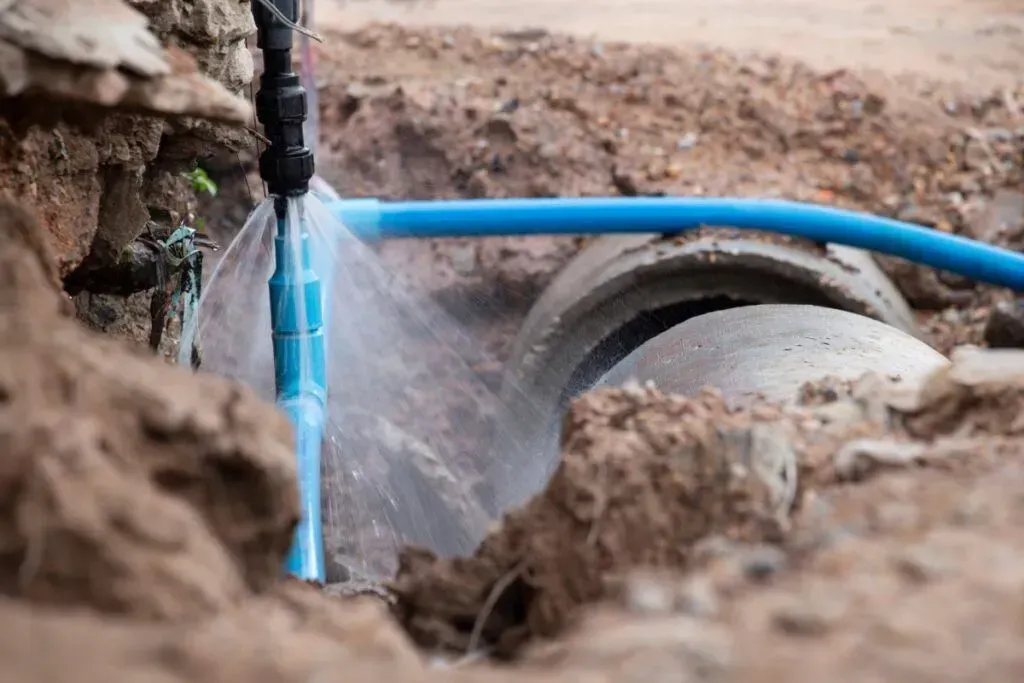
Commercial plumbing repair is the process of diagnosing and fixing plumbing issues in business facilities — from clogged drains and burst pipes to failed water heaters and backflow preventer failures.
Here's a quick overview of what you need to know:
| Situation | What to Do |
|---|---|
| Burst pipe or major leak | Call an emergency plumber immediately |
| Slow drains or recurring clogs | Schedule commercial drain cleaning |
| Low water pressure | Have a plumber inspect for leaks or blockages |
| Foul odors from drains | Check for trap seal failure or sewer line issues |
| Unexplained water bill spike | Arrange a leak detection inspection |
| Running toilets or fixtures | Repair or replace flush valves promptly |
A plumbing failure in a commercial building is a different beast than a leaky faucet at home. One morning, a manufacturing facility in Boston noticed a small drop in water pressure. By the next day, a burst pipe had flooded the lower level, shut down production for two full days, and left clients waiting. What started as a minor symptom became a business crisis — fast.
That's the reality of commercial plumbing. The systems are bigger, the user load is far higher, and the consequences of ignoring warning signs hit your bottom line hard. Whether you run a restaurant, manage an office complex, or operate a multi-family property, your plumbing system is working around the clock — and when it fails, everything stops.
This guide walks you through everything you need to know to keep your facility running: warning signs, common repairs, maintenance strategies, and how to respond when things go wrong.
I'm Josh Klimp, and I've spent over 20 years working on commercial plumbing repair across a wide range of facilities — from restaurant kitchens and medical offices to multi-story apartment buildings. I'll cut through the noise and give you practical, experience-backed guidance you can actually use.
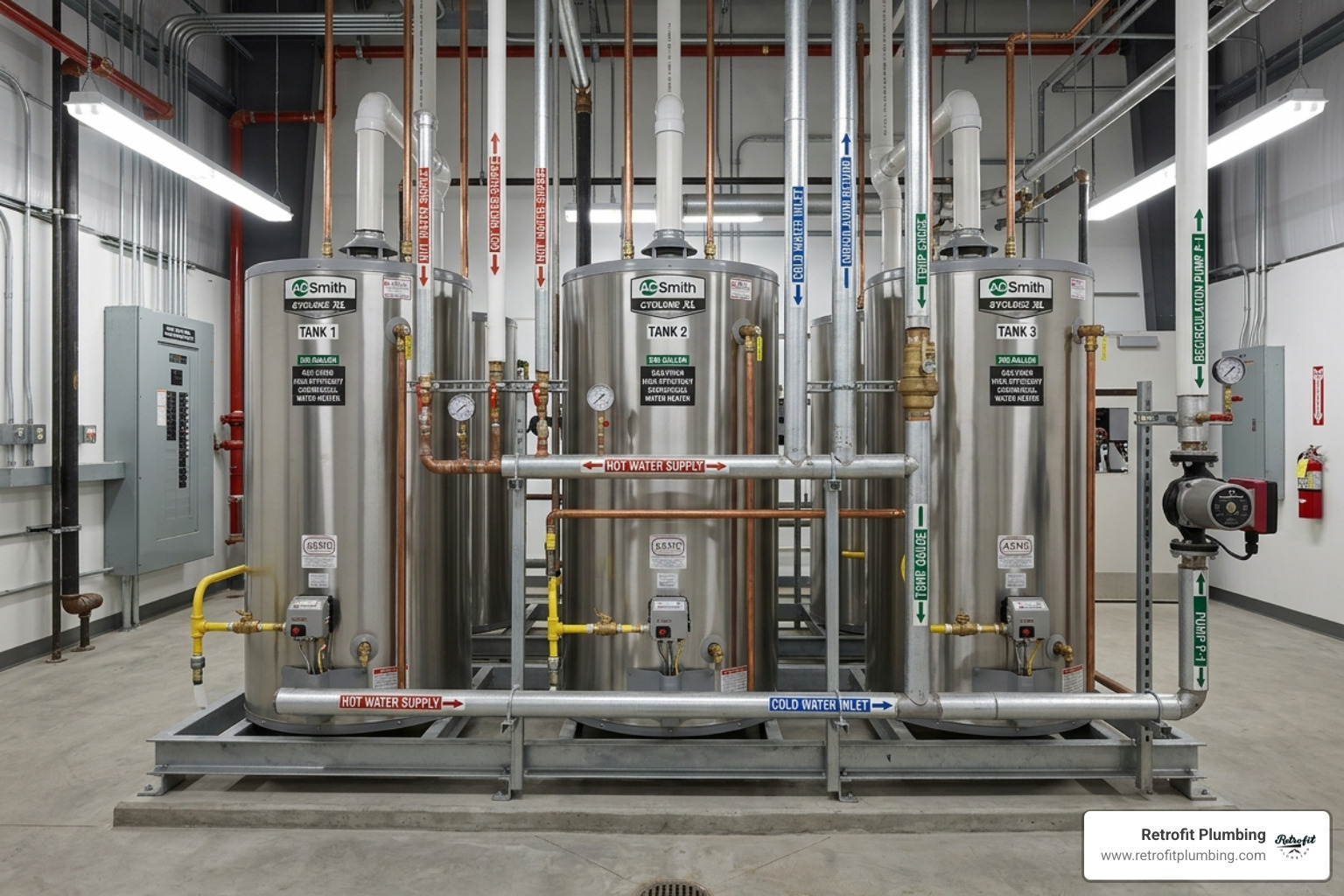
When we talk about commercial plumbing repair, the first thing we have to acknowledge is the sheer scale of the infrastructure. While a Residential Plumbing setup might cater to a family of four, a commercial system in a Renton office building or a Kent shopping center might serve hundreds—or even thousands—of users daily.
Usage Volume and Stress
In a home, the water heater takes a break while everyone is at work or school. In a commercial setting, there is no "off" switch. Whether it’s a 24-hour gym in Bellevue or a busy restaurant in Auburn, the demand for hot water and drainage is constant. This high usage volume puts immense stress on every valve, seal, and pipe.
Pipe Diameter and Infrastructure
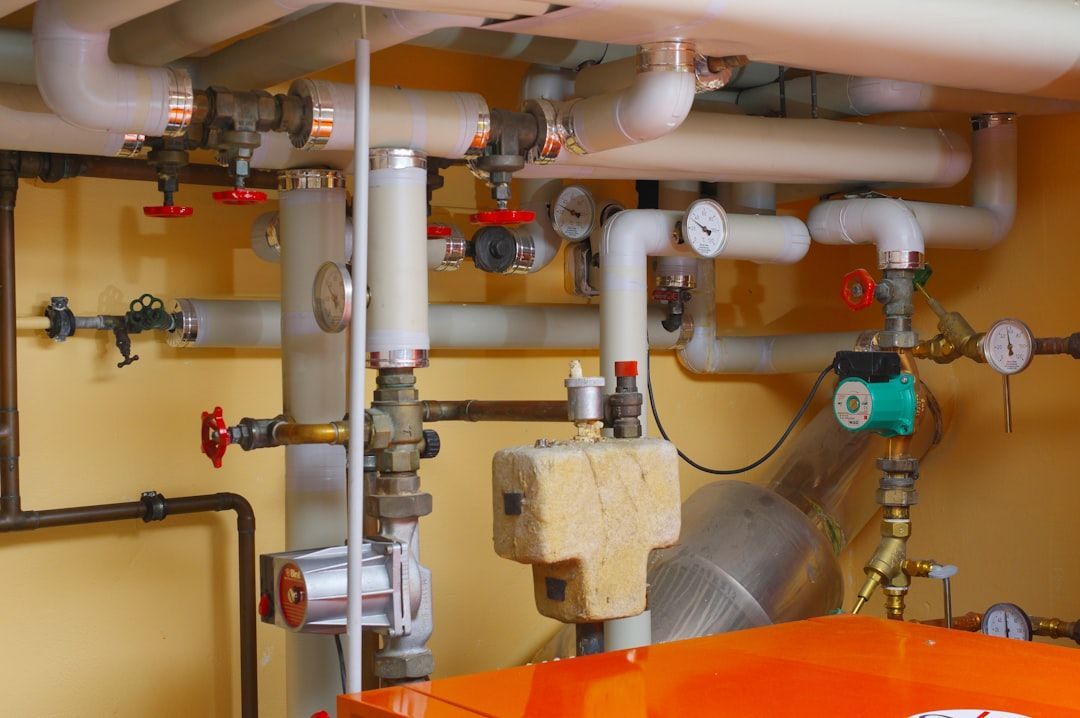
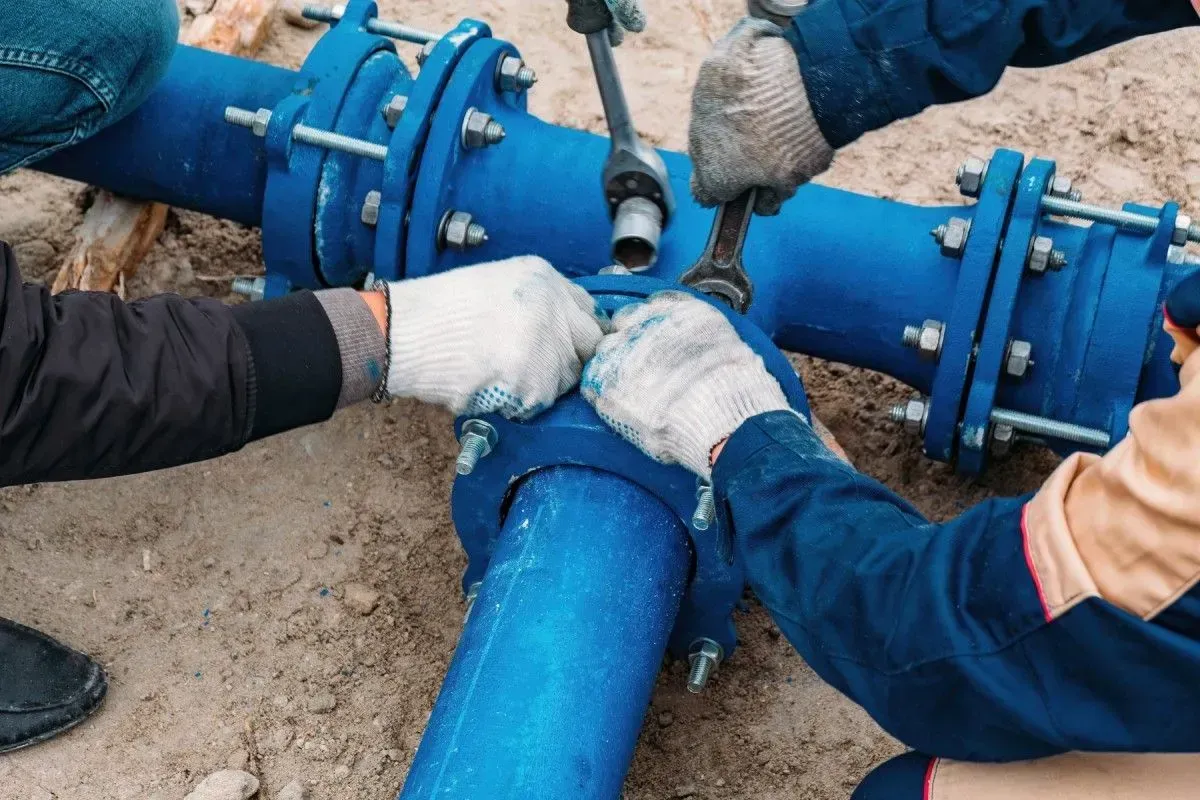
Commercial buildings utilize much larger pipe diameters to handle the massive flow of water and waste. We often see 6-inch main lines in commercial facilities, compared to the standard 3-inch or 4-inch lines found in homes. Furthermore, commercial systems often involve complex multi-story piping, requiring industrial-grade lift station pumps to move waste against gravity.
Specialized Fixtures
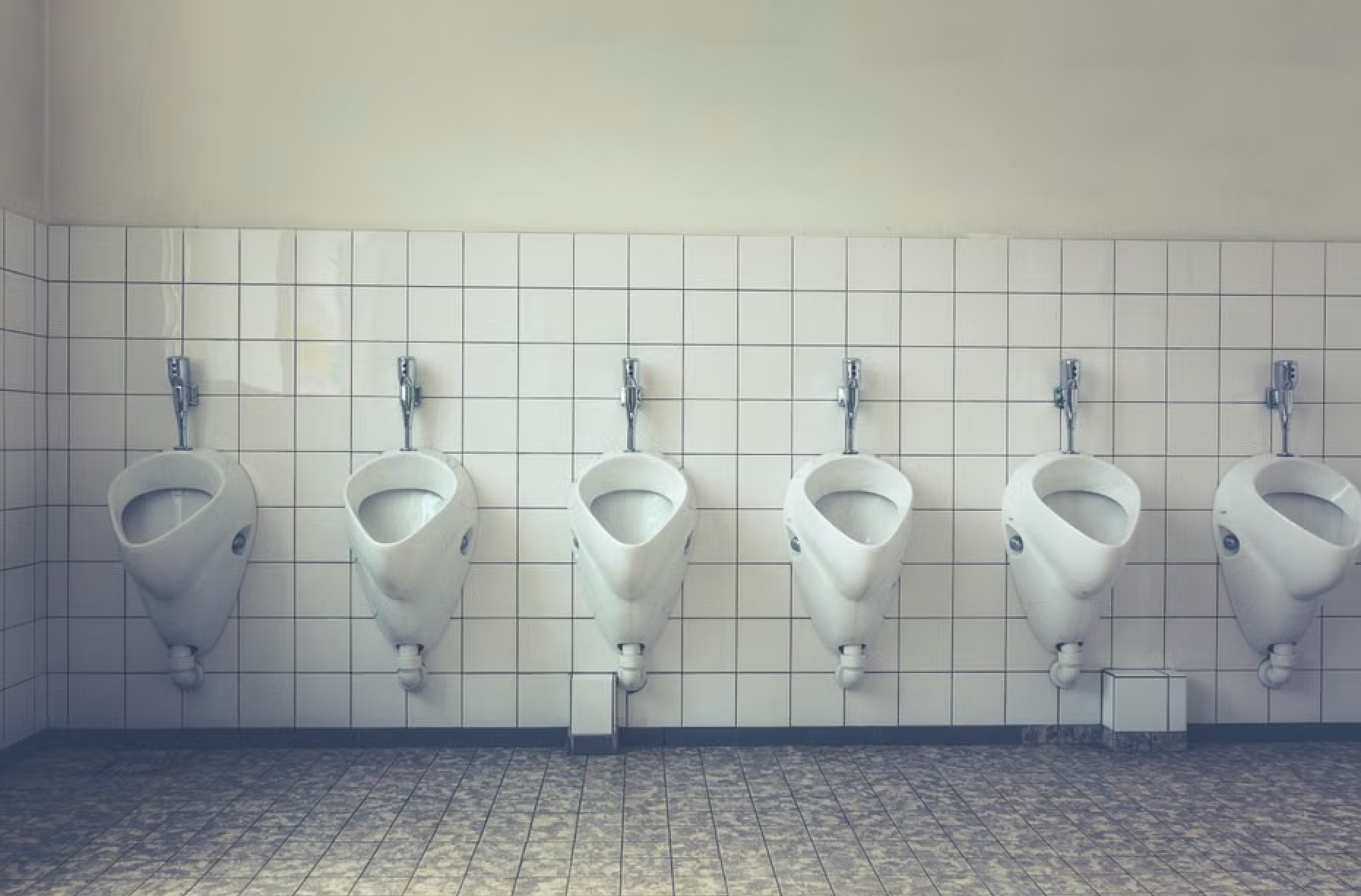
Commercial-specific fixtures are built for durability and speed. You won't find many gravity-tank toilets in a stadium or a large office; instead, you’ll see flushometer valves that use high-pressure water to clear the bowl instantly. These require specialized knowledge to repair.
Key Commercial-Specific Fixtures:
- Flushometer toilets and urinals
- Industrial grease interceptors
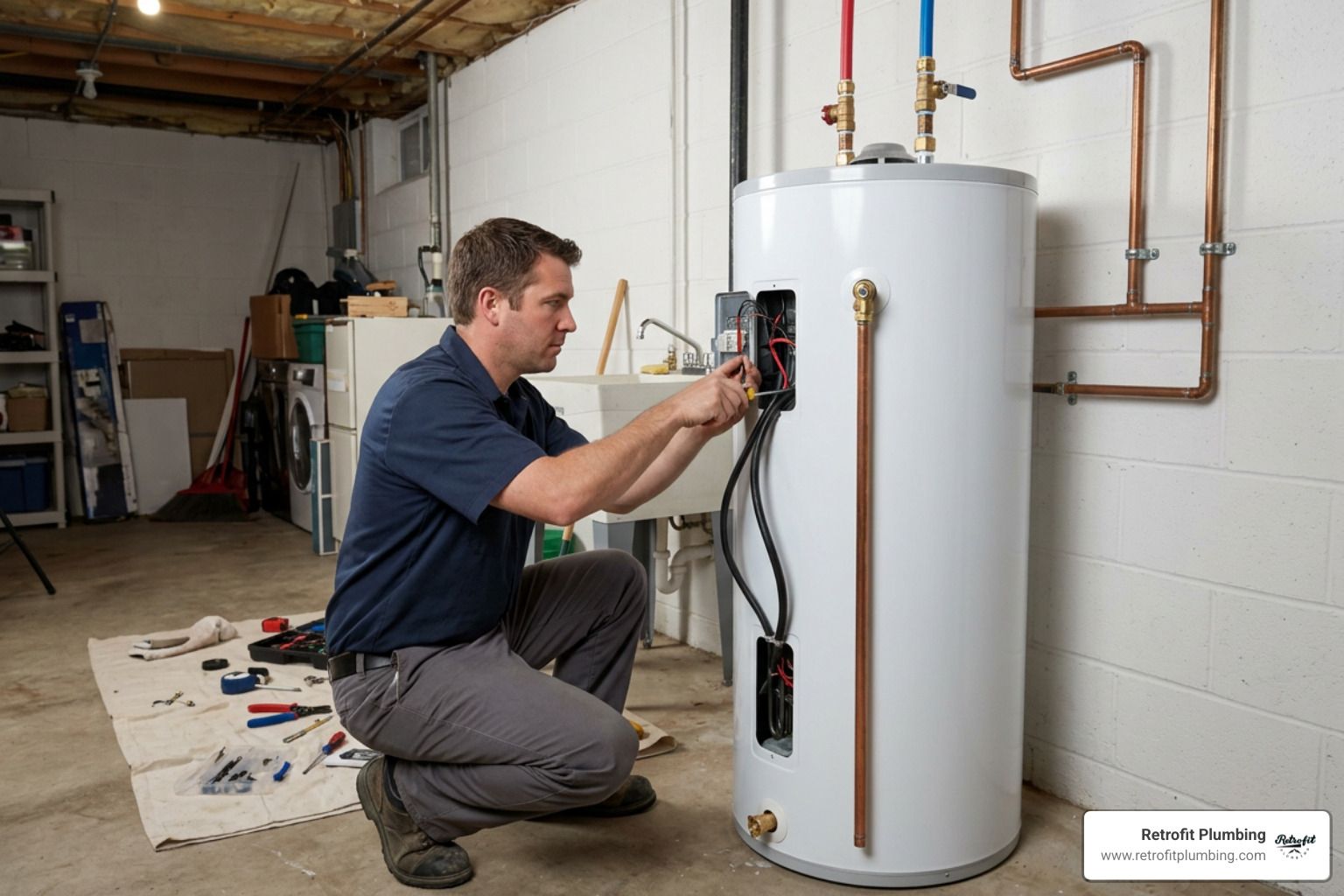
- Commercial-grade 100-gallon water heaters
- Thermostatic mixing valves
- Backflow prevention assemblies (RPZ valves)
- Hands-free, sensor-operated faucets
According to Scientific research on commercial water usage, the complexity of these systems means that even a minor inefficiency can lead to thousands of gallons of wasted water and significantly higher utility costs compared to residential leaks.
Warning Signs Your Facility Needs Commercial Plumbing Repair
In our experience serving businesses in Covington and the surrounding Puget Sound area, plumbing problems rarely happen without warning. The trick is catching the "whispers" before they turn into "screams."
Frequent Pressure Loss
If your employees are complaining about low water pressure in the breakroom or restrooms, don't ignore it. While it could be a municipal issue, it often signals a hidden leak or a failing pressure-reducing valve. Conversely, if pressure is too high, it can rattle your pipes and cause fixtures to fail prematurely.
Unusual Noises (Water Hammer)
If you hear loud banging, rattling, or whistling when a faucet is turned off, you’re likely experiencing "water hammer." This occurs when high-pressure water suddenly stops, sending a shockwave through the piping. Over time, these vibrations can loosen joints and lead to a Commercial Plumbing emergency.
Foul Odors and Sewer Gas
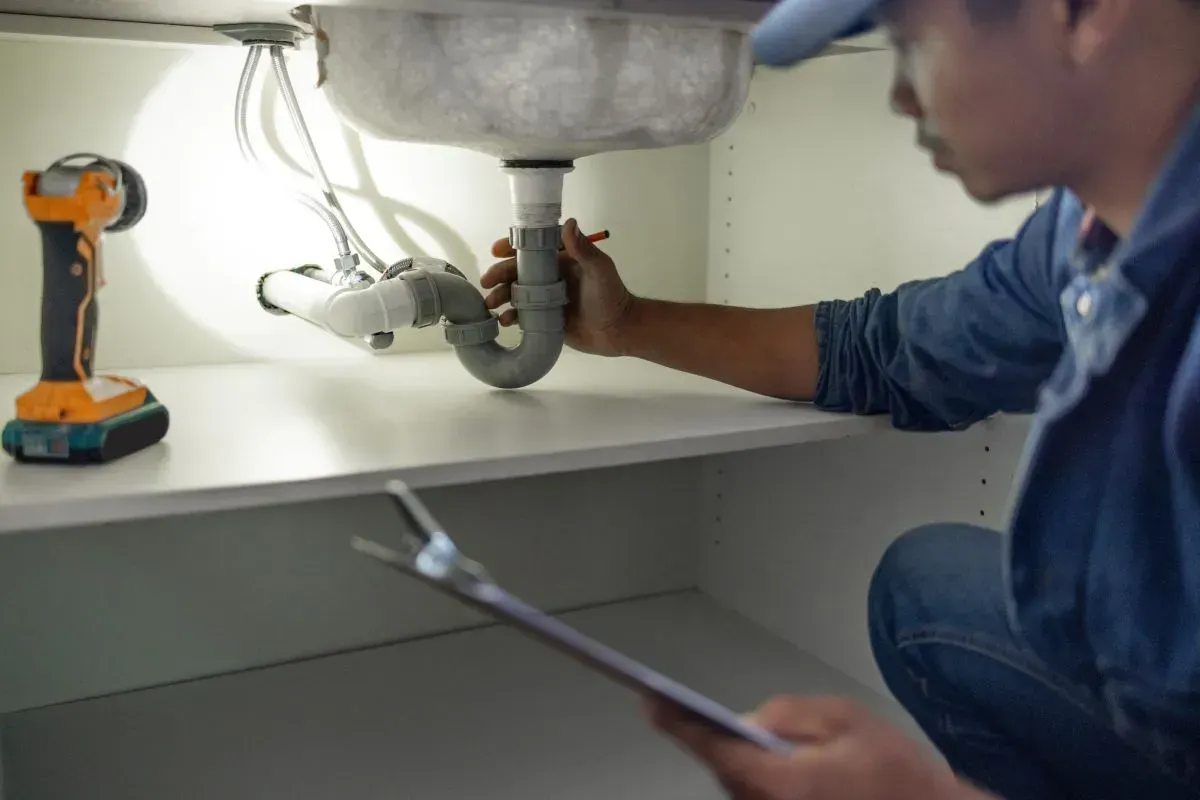
A "funky" smell in the hallway isn't just unpleasant; it’s a health hazard. Sewer gas odors usually indicate a dried-out P-trap, a cracked vent pipe, or a major blockage. In commercial buildings, sewer vents tend to clog more frequently than in homes, often due to bird nests or debris on the roof.
Phantom Utility Spikes
If your water bill jumps 20% but your production hasn't changed, you have a leak. It might be a silent leak in a restroom stall or an underground pipe beneath your slab.
Comparing Symptoms: Minor vs. Emergency
| Symptom | Minor Indicator | Emergency Indicator |
|---|---|---|
| Drains | Sink takes a few extra seconds to empty | Wastewater backing up through floor drains |
| Water Color | Slight cloudiness (air in lines) | Rust-colored or "tea" colored water (corrosion) |
| Sounds | Occasional "thump" in the walls | Constant gurgling or loud "hammering" |
| Moisture | Small damp spot on a wall | Standing water near electrical panels or machinery |
Specialized Commercial Plumbing Repair for High-Traffic Facilities
Some industries face unique challenges that require more than just a standard wrench-and-bucket approach. When a business calls for Emergency Plumbing, we have to consider industry-specific regulations and equipment.
Grease Traps and FOG Compliance
For our restaurant clients in Kent and Auburn, Fats, Oils, and Grease (FOG) are the ultimate enemies. If grease enters the municipal sewer system, it can lead to massive fines and immediate shutdowns. Routine grease trap pumping and baffle repairs are essential components of commercial plumbing repair.
Backflow Prevention and RPZ Valves
Backflow occurs when a drop in pressure causes contaminated water to flow backward into the clean water supply. This is a major public health risk. Most commercial facilities are required by law to have backflow prevention assemblies (like RPZ valves) that must be tested annually. A failed backflow test isn't just a repair issue; it's a compliance violation.
ADA Compliance
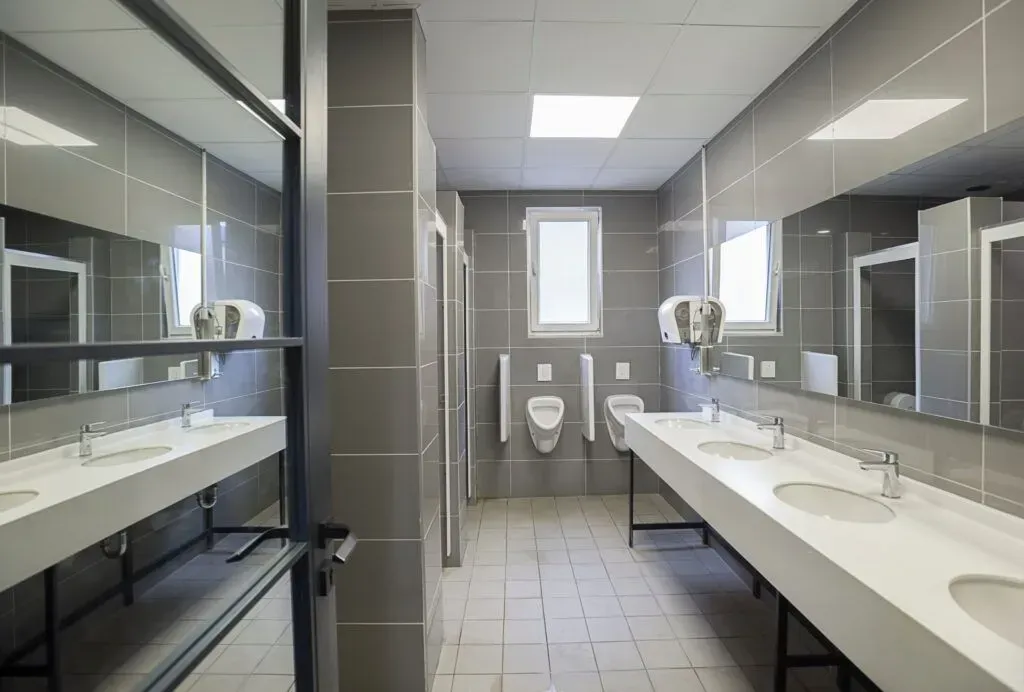
Commercial restrooms must meet strict Americans with Disabilities Act (ADA) standards. This includes specific mounting heights for sinks and toilets, as well as the installation of hands-free fixtures. When we perform repairs, we ensure the facility remains compliant with these federal regulations.
Businesses looking to upgrade their systems for better efficiency may find More info about commercial financing for repairs helpful for managing the capital investment required for large-scale retrofits.
High-Tech Diagnostics for Commercial Plumbing Repair
We don't believe in guesswork. Modern commercial plumbing repair relies on advanced technology to see what’s happening inside your walls and under your floors:
- Video Camera Inspections: We thread high-resolution cameras through your sewer lines to pinpoint cracks, root intrusions, or blockages without digging.
- Electronic Leak Detection: Using acoustic sensors, we can "listen" for the sound of escaping water through concrete slabs.
- Thermal Imaging: This helps us find hot water leaks hidden behind drywall by detecting temperature anomalies.
- Trenchless Relining: In many cases, we can repair a broken sewer pipe by inserting a resin-coated liner, avoiding the need to tear up your parking lot.
Common Commercial Plumbing Repair Challenges by Industry
- Restaurants: Heavy grease buildup and high-temperature dishwasher drainage.
- Hospitals: Strict sterilization requirements and complex medical gas piping.
- Multi-Family: Cascading leaks where a failure in unit 401 damages units 301, 201, and 101.
- Hotels: Maintaining consistent hot water pressure for hundreds of simultaneous morning showers.
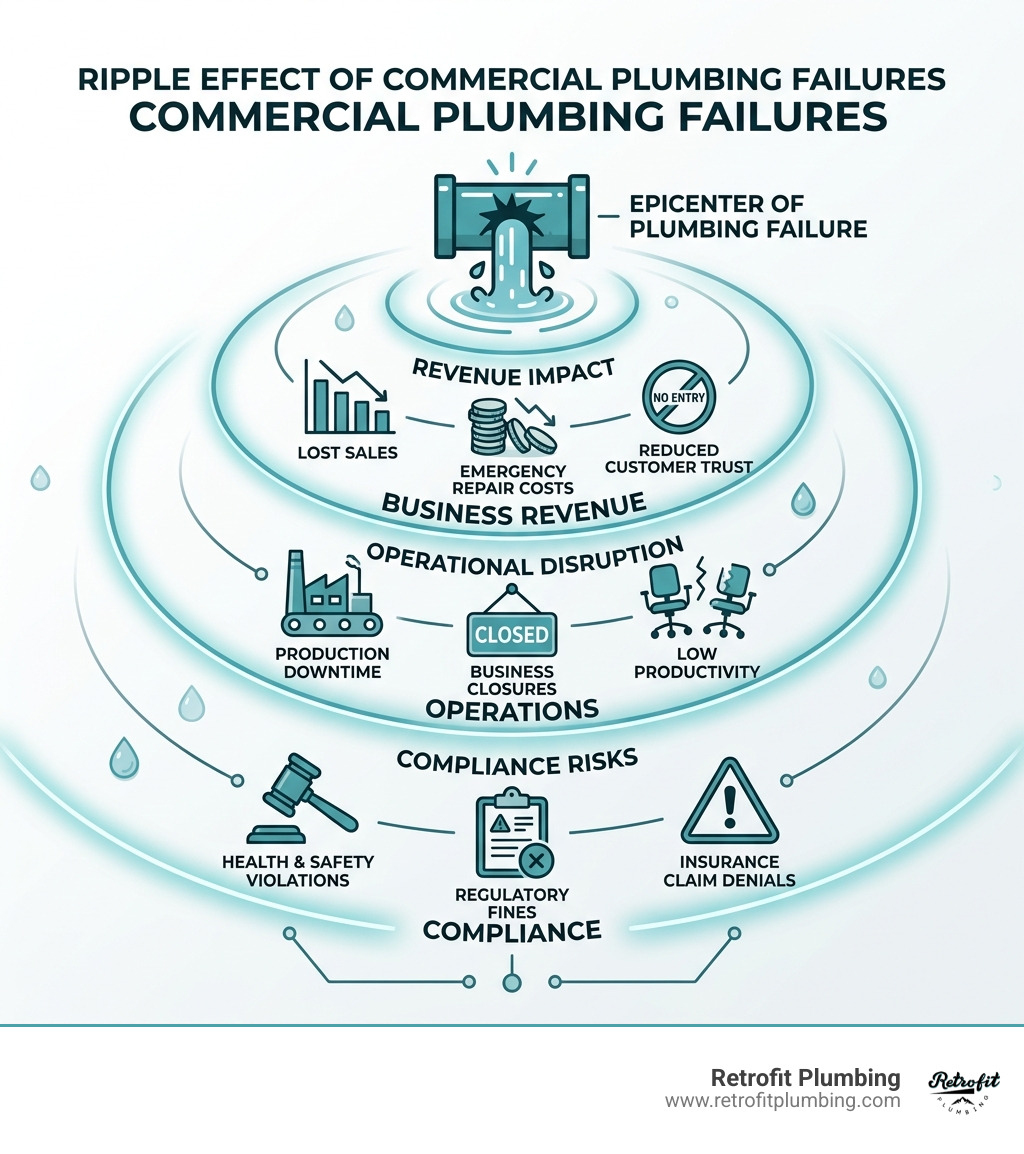
The Financial Impact of Delaying Commercial Plumbing Repair
It is tempting to put off a "minor" leak when you are busy running a business. However, the hidden costs of delay are almost always higher than the cost of the repair itself.
Revenue Loss and Downtime
If your restaurant has no hot water, the health department will shut you down. If your office restrooms are out of order, you have to send your staff home. This lost productivity and revenue can never be recovered.
Structural Damage and Mold
Water is incredibly destructive. A slow leak behind a wall can rot structural studs and lead to toxic mold growth, which requires expensive professional remediation.
Reputation Damage
In the age of online reviews, a "smelly" restroom or a "no hot water" complaint at a hotel can go viral instantly. Your reputation is your most valuable asset; don't let a plumbing issue tarnish it.
Regulatory Fines
Failing to maintain your backflow preventers or allowing grease to overflow into the city sewers can result in thousands of dollars in municipal fines. Investing in timely Plumbing Services is much cheaper than paying a city inspector's penalty.
Proactive Maintenance: Preventing the Next Emergency
The best commercial plumbing repair is the one you never have to make. At Retrofit Plumbing, we advocate for a proactive approach to facility management.
Maintenance Contracts
A customized maintenance plan ensures that your critical systems are inspected on a schedule. This includes checking water pressure, testing pumps, and looking for early signs of corrosion.
The Maintenance Checklist
- Quarterly Drain Cleaning: Use hydro-jetting to clear out scale and grease before they cause a total blockage.
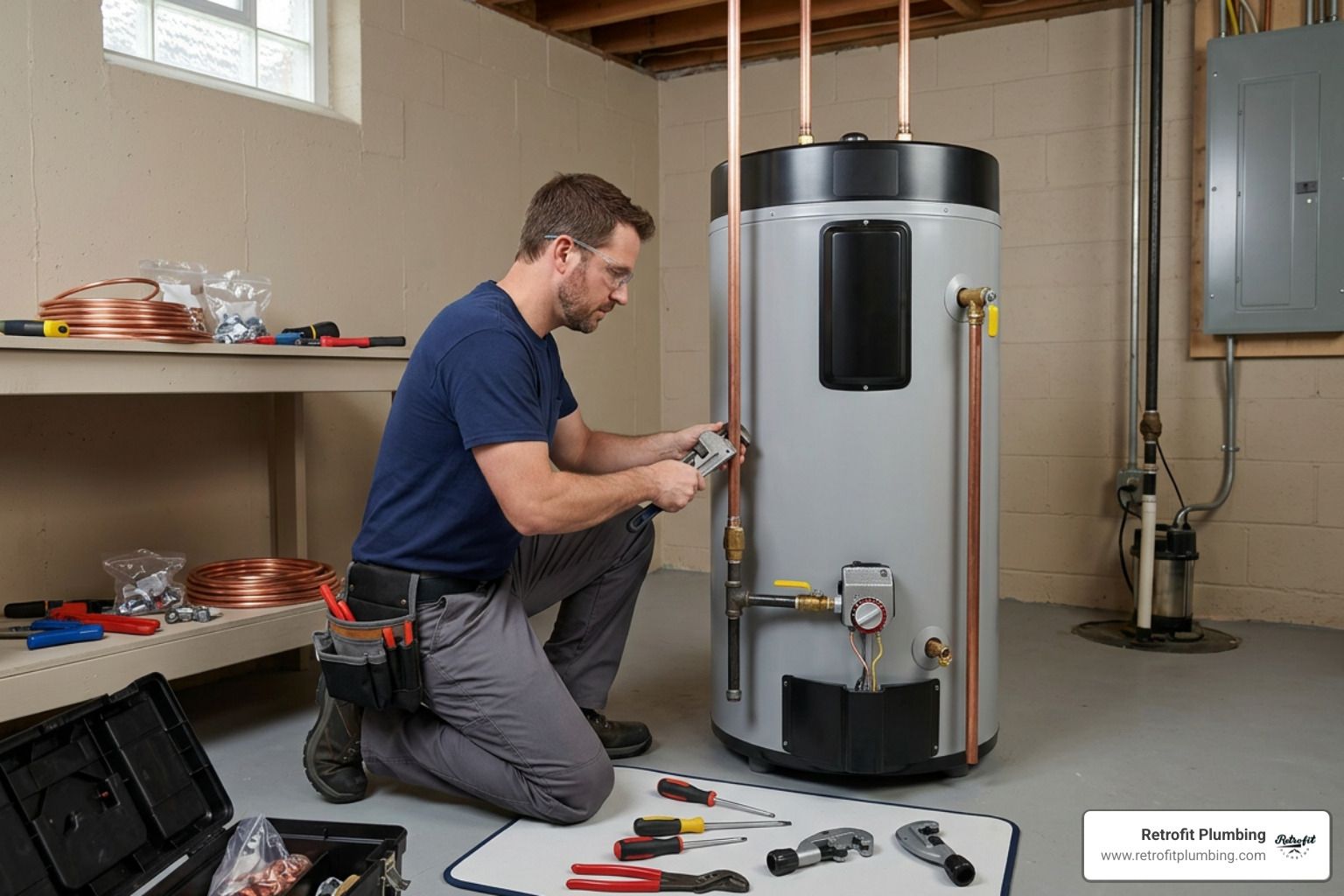
- Bi-Annual Water Heater Service: Commercial water heaters work hard and should be flushed every six months to remove sediment and descale heating elements.
- Septic and Grease Trap Pumping: Regular intervals prevent backups during peak business hours.
- Backflow Testing: Ensure your facility stays compliant with Washington State health codes.
- Smart Leak Detection: Consider installing IoT-enabled sensors that can automatically shut off the water main if a leak is detected after hours.
Frequently Asked Questions about Commercial Plumbing
What is the most common commercial plumbing problem?
The most frequent issue we see is clogged drains. In restaurants, it’s usually grease and food particles. In office buildings and retail centers, it’s often "flushable" wipes or foreign objects in the main sewer line. Because commercial systems handle so much traffic, these clogs can escalate into full-building backups very quickly.
How often should commercial water heaters be serviced?
We recommend six-month intervals for commercial units. Because they handle such high demand, sediment builds up much faster than in a residential tank. If you have a tankless system, regular descaling is critical to prevent the heat exchanger from burning out.
What factors influence the cost of commercial repairs?
Several factors play a role:
- Accessibility: Is the pipe under a concrete slab or 20 feet up in a warehouse ceiling?
- Timing: Emergency repairs after hours or on weekends typically carry higher dispatch fees.
- Materials: Specialized commercial fixtures and large-diameter copper or cast iron piping are more expensive than residential PVC.
- Permits: Large repairs often require city permits and inspections to ensure code compliance.
Conclusion
Your business is your livelihood. Don't let a preventable plumbing failure put your operations at risk. Whether you are dealing with a sudden emergency in Bellevue or looking to set up a maintenance plan for your property in Kirkland, the team at Retrofit Plumbing is here to help.
We serve the entire region, including Covington, Renton, Kent, and Auburn, with a commitment to excellence that has kept our local businesses running for years. We offer:
- Honest Pricing: No hidden fees, just straightforward quotes.
- Fully Stocked Trucks: We aim to fix the problem on the first visit.
- Same-Day Service: We know that for a business, time is money.
- 100% Satisfaction Guarantee: We stand behind every weld and every wrench turn.
Don't wait for a flood to find your plumber. Schedule your commercial plumbing inspection today and let us help you keep your business afloat!