Why a Bathroom Leakage Detector Could Save Your Home From Costly Water Damage
A bathroom leakage detector is a small sensor device that alerts you the moment water appears where it shouldn't — under your sink, behind your toilet, or near your shower pan. Here's a quick look at the top-rated options available right now:
| Device | Type | Alarm | Rating | Best For |
|---|---|---|---|---|
| YoLink Smart Home Starter Kit | LoRa Smart Hub + 4 sensors | App/SMS/Email | 4.6 stars (4,568 reviews) | Long-range smart monitoring |
| Govee Water Leak Detectors 5-Pack | Standalone battery-operated | 100dB adjustable | 4.6 stars (5,509 reviews) | Affordable multi-room coverage |
| Basement Watchdog BWD-HWA | Standalone battery-operated | 110dB | 4.7 stars (8,132 reviews) | Simple, loud, reliable alerting |
| TP-Link Tapo T300 | Hub-connected smart sensor | 90dB + app alerts | Tested & reviewed | Smart home integration |
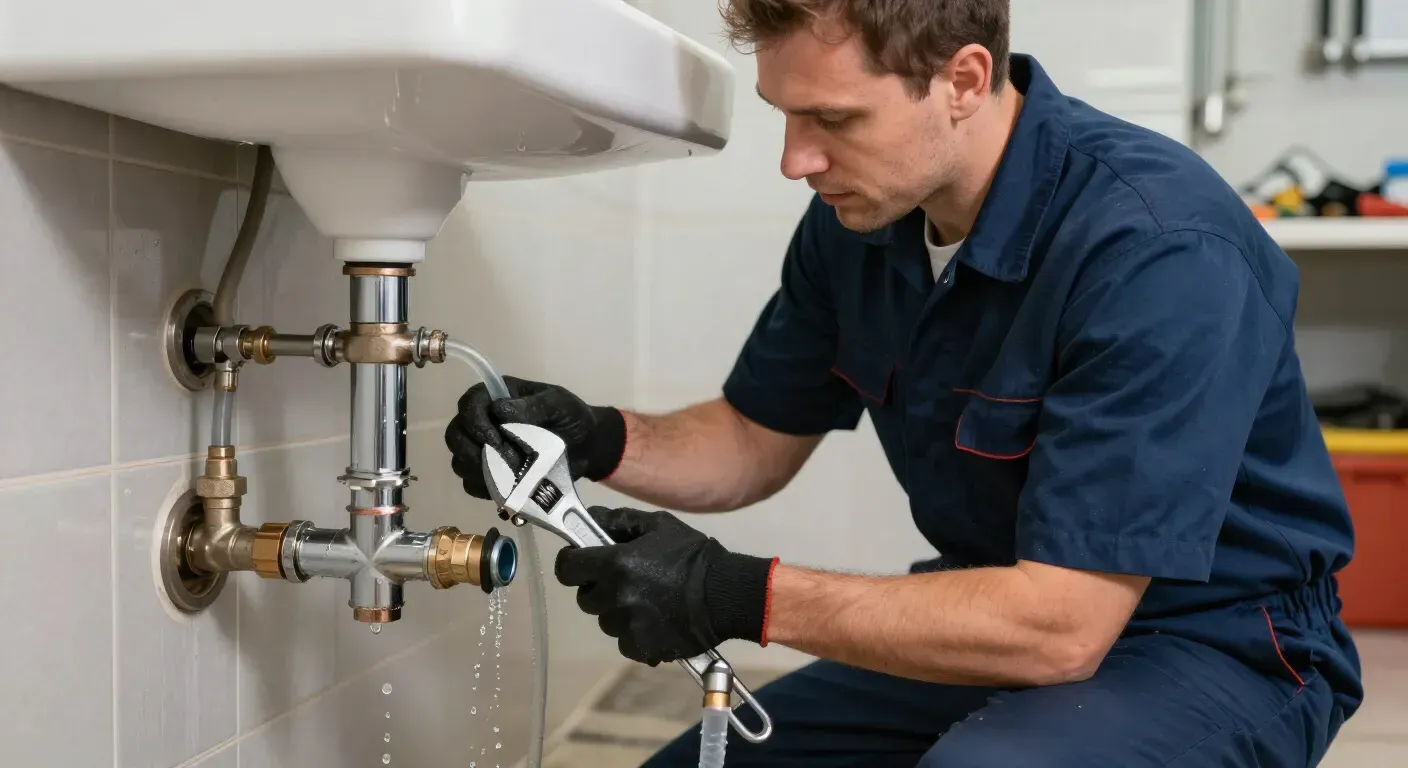
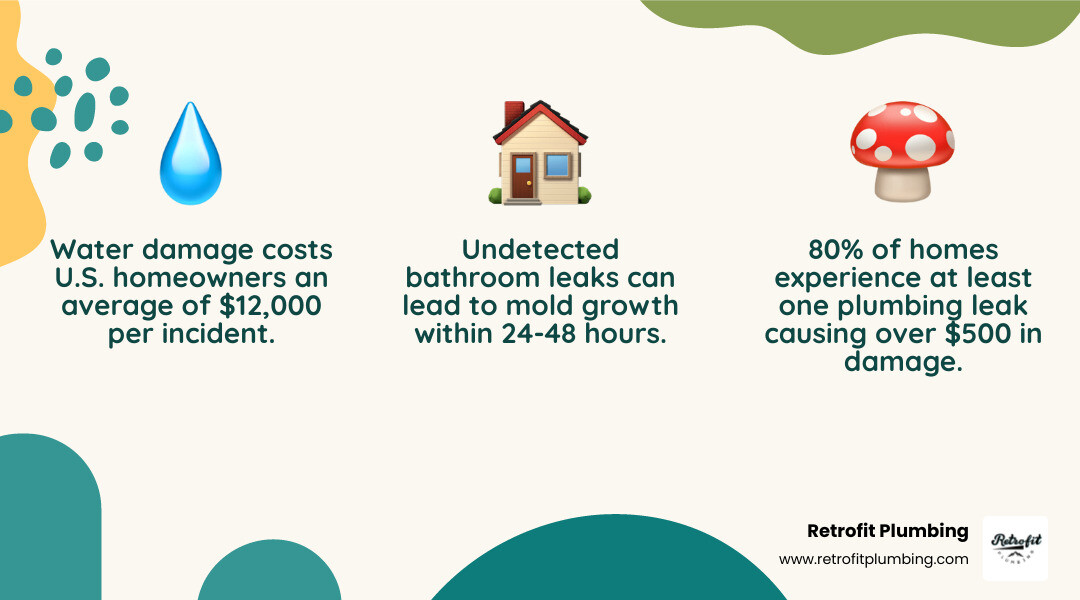
Water damage is one of the most expensive problems a homeowner can face. Even a slow drip from a bathroom supply line — left undetected for days or weeks — can rot subflooring, fuel mold growth, and lead to repair bills in the thousands. The damage often starts silently , hidden under a vanity or behind a toilet where no one thinks to look.
That's exactly why these small, inexpensive devices matter so much.
I'm Josh Klimp, and with over 20 years of professional plumbing experience, I've seen how a simple bathroom leakage detector can mean the difference between a quick fix and a full bathroom gut-out. In the sections below, I'll walk you through the best options on the market so you can find the right fit for your home.
What is a Bathroom Leakage Detector and How Does It Work?
At its core, a bathroom leakage detector is a specialized electronic device designed to act as a sentry for your plumbing. But how does a little plastic box know when your pipes are acting up?
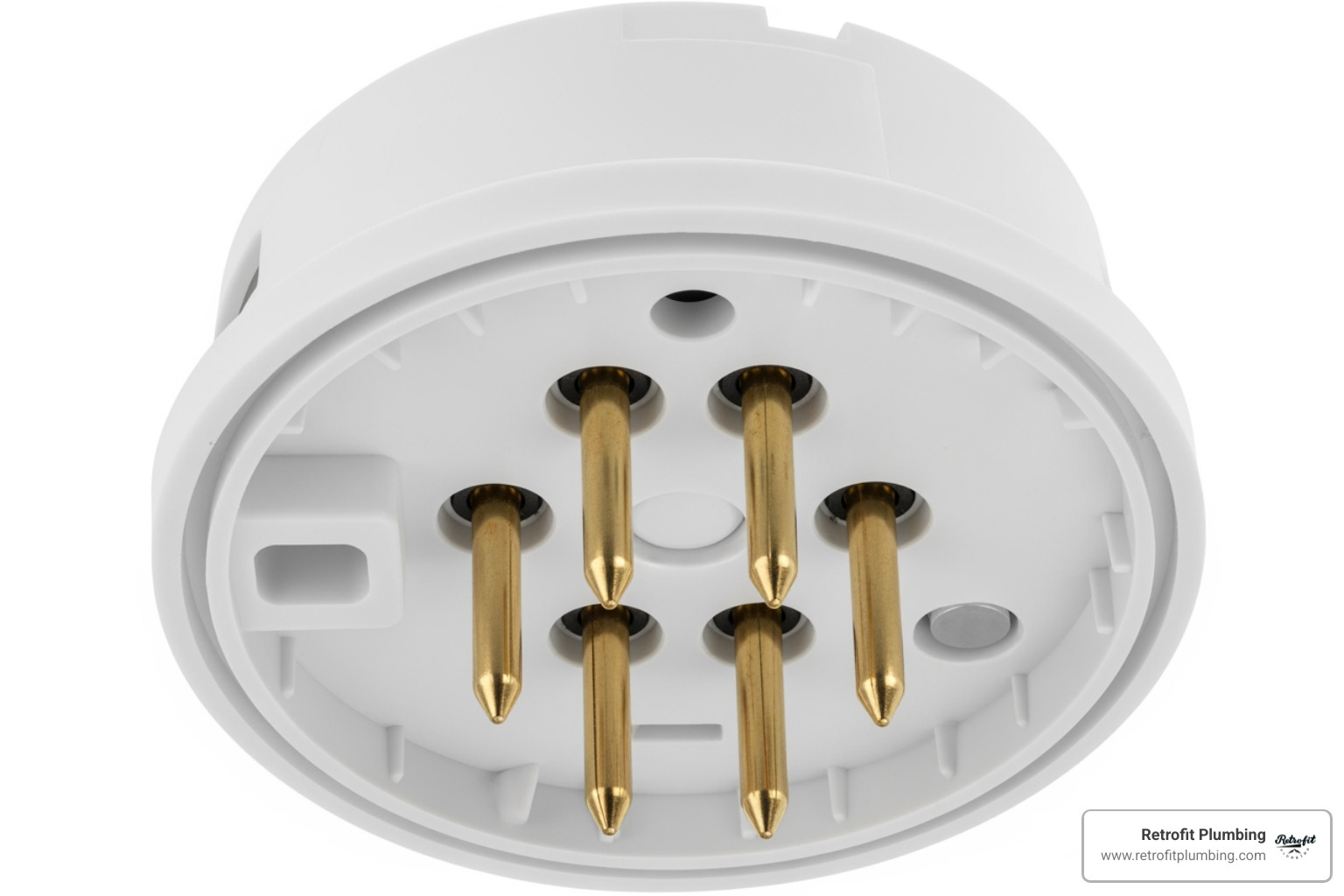
Most of these devices use a simple but effective scientific principle: electrical conductivity. On the bottom (and sometimes the top) of the unit, you’ll find small metal probes or gold-plated sensors. When water touches two or more of these probes simultaneously, it completes an electrical circuit. This closure of the circuit triggers the device to take action—either by screaming at you with a high-decibel siren or sending a digital "SOS" to your smartphone.
In our experience at Retrofit Plumbing, we see two main ways these devices communicate:
- Audible Sirens: These are standalone units that emit a loud piercing sound (often 100dB or more) to alert anyone currently in the house.
- Smart Notifications: These connect to your home’s Wi-Fi or a dedicated hub. If a leak occurs while you’re at work in Seattle or shopping in Bellevue, you’ll get a push notification, email, or even an SMS text.
High-end models, like the Moen Flo Smart Water Monitor, go a step further. They don't just watch for puddles; they monitor the actual flow of water through your pipes. If they detect a drop-per-minute leak or a catastrophic burst, they can actually shut off your main water valve automatically. This is the gold standard for preventing broken pipes repair costs from skyrocketing.
Different Types of Sensors for Your Home
When you start shopping for a bathroom leakage detector, you’ll realize they aren't all built the same. Choosing the right type depends on your home’s layout and how tech-savvy you want to be.
- Standalone Alarms: These are the "smoke detectors" of the plumbing world. They are battery-operated and loud. The Basement Watchdog is a classic example. They are great for small apartments or if you are always home, but they won't help if a pipe bursts while you're on vacation.
- Wi-Fi Smart Sensors: These connect directly to your 2.4GHz Wi-Fi network. Devices like the SwitchBot or Govee Wi-Fi models fall into this category. They offer the convenience of app alerts without needing extra hardware.
- Hub-Connected Systems (LoRa/Zigbee): Systems like the Tapo T300 Smart Water Leak Sensor or YoLink use a central hub. YoLink, specifically, uses LoRa (Long Range) technology, which can communicate through walls and over distances of up to a quarter-mile—perfect for larger homes in Kent or Renton where Wi-Fi might not reach the back bathroom.
- Sensing Cables: Some detectors, like the Eve Water Guard or the Moen Smart Leak Detector, allow you to plug in a "sensing cable." Unlike a spot sensor that only detects water directly beneath it, these cables detect moisture along their entire length. You can wrap them around a water heater or run them along the baseboard behind a row of bathroom fixtures.
Top-Rated Models: Comparing the Best Bathroom Leakage Detector Options
Choosing the "best" model is often a balancing act between price, reliability, and features. Based on market data and our professional observations in the field, here is how the heavy hitters stack up:
| Feature | YoLink Starter Kit | Govee (5-Pack) | Basement Watchdog | Tapo T300 |
|---|---|---|---|---|
| Connectivity | Hub (LoRa) | Standalone (or Wi-Fi hub) | Standalone | Hub (Zigbee) |
| Alarm Volume | Hub-based | 100dB (Adjustable) | 110dB | 90dB (Adjustable) |
| App Alerts | Yes (Push/SMS/Email) | Yes (with Hub) | No | Yes |
| Power Source | 2 AAA Batteries | 2 AAA Batteries | 9V Battery | 2 AAA Batteries |
| Special Feature | 1/4 Mile Range | Very Affordable | No Hub Needed | Smart Light Integration |
The YoLink Smart Home Starter Kit is currently a favorite for homeowners who want a "set it and forget it" system. With a 4.6-star rating from over 4,500 users, its ability to send alerts even if the Wi-Fi goes down (via the hub's local communication) is a massive plus.
If you are looking for sheer value, the Govee Water Leak Detectors 5-Pack is hard to beat. You can Shop the Govee Life Store on Amazon to find bundles that allow you to cover every toilet and sink in a large house for a very reasonable price. While they are often sold as standalone units, pairing them with a Govee Gateway enables those crucial smartphone alerts.
For those who want a simple, hub-free smart solution, the Zircon Leak Alert X is an excellent choice. It connects directly to Wi-Fi and can send email alerts to up to five different addresses. It even features a 9.8-foot sensor cable for those hard-to-reach spots behind a built-in bathtub.
Performance and Reliability Ratings
In leak detection, speed is everything. In real-world testing, models like the Tapo T300 and Govee sensors typically trigger alerts within 1 to 2 seconds of moisture contact.
Reliability also comes down to the siren. A 100dB alarm is roughly as loud as a jackhammer—you will hear it from the next room. However, if you have a large home in Auburn or Tacoma, a local alarm might not be enough. That’s where the 4.6 and 4.7-star ratings for smart systems come in; users consistently praise the peace of mind that comes from receiving a remote notification while away.
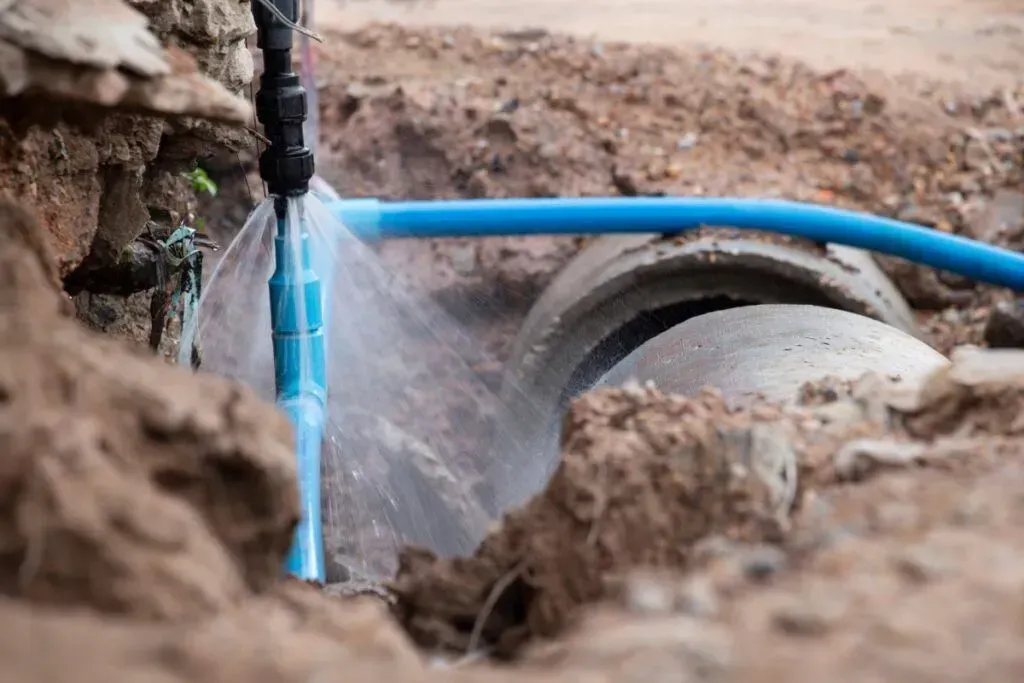
If you ever find yourself staring at a puddle and wondering where it came from, don't guess. Our professional leak finder services use advanced tech to locate the source of a leak without tearing up your tile.
Choosing the Best Bathroom Leakage Detector for Your Home
When you're selecting a bathroom leakage detector, don't just grab the first one you see. Consider these three "S" factors:
- Sensitivity: Some sensors trigger at just 0.5mm of water (like the Aqara), while others need a bit more pooling. In a bathroom, where high humidity is common, you want a sensor that is sensitive enough to catch a drip but smart enough not to trigger every time someone takes a steamy shower.
- Signal Range: If you're placing a sensor in a basement bathroom in a Renton home with thick concrete walls, a standard Wi-Fi sensor might struggle. Look for LoRa or specialized hub systems that boast long-range connectivity.
- Smart Integration: Do you want your lights to flash red when a leak is detected? The Tapo T300 can do that through "Smart Actions." Do you want to ask Alexa if the guest bathroom is dry? Check for Alexa and Google Home compatibility.
Key Features of a High-Quality Bathroom Leakage Detector
Beyond just detecting water, modern units offer several "bonus" features that are incredibly useful for Pacific Northwest homeowners:
- Freeze Detection: Pipes freezing in the winter is a real threat in places like Covington and Kent. Many detectors (like the First Alert L1 or Moen models) will alert you if the temperature drops below a certain threshold, giving you time to drip your faucets before a pipe bursts.
- IP67 Waterproof Rating: This means the device can actually be submerged in water and still function. Since a leak detector's job is to be in water, this rating ensures the device doesn't short out and stop working the moment a flood starts.
- Battery Longevity: Look for units that promise at least 2 to 3 years of battery life. Most apps will now send you a "low battery" notification, which is much better than the annoying "chirp" at 3 AM.
- Automatic Shut-off: As mentioned earlier, the Moen Flo Smart Water Monitor is the ultimate upgrade. It's a proactive system rather than a reactive one.
Proper bathroom plumbing maintenance combined with a high-quality detector is the best insurance policy you can have for your home.
Installation and Maintenance: Strategic Placement for Your Bathroom Leakage Detector
You've bought your sensors—now where do you put them? Placement is just as important as the device itself. You want to place the bathroom leakage detector at the "lowest point" where water is likely to pool.
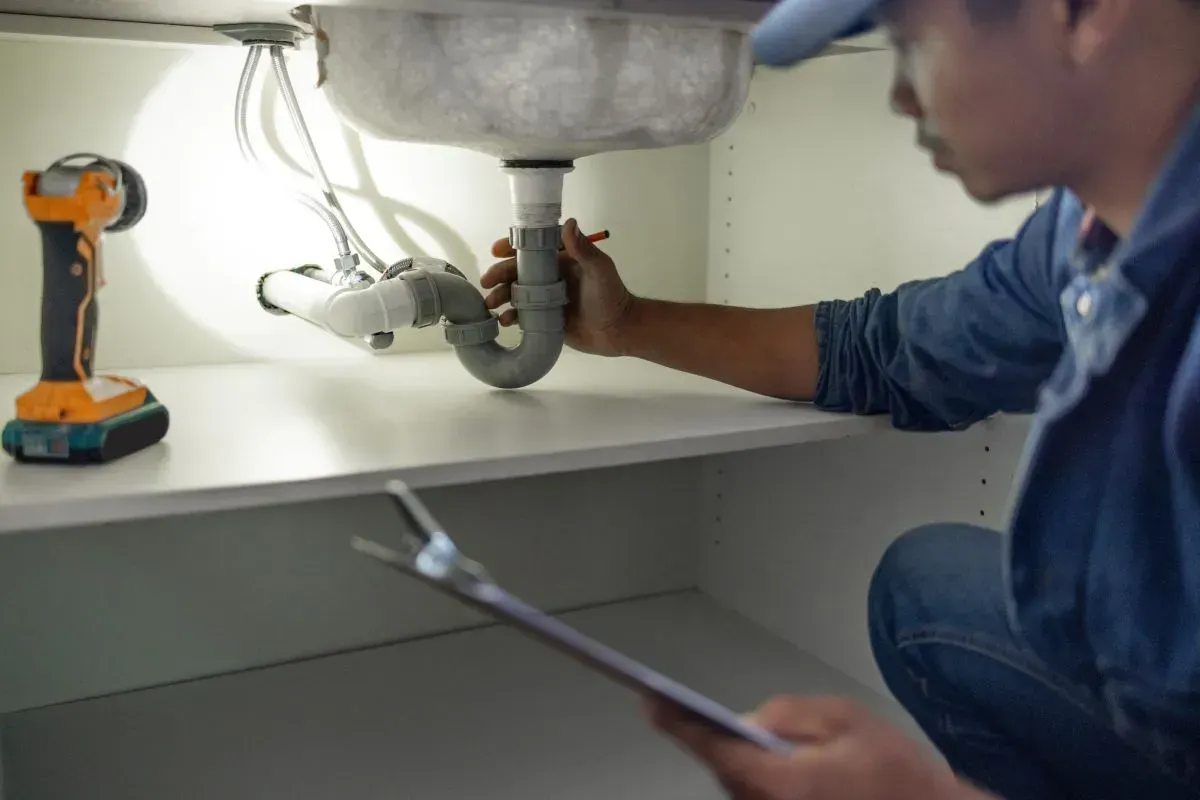
- Under the Vanity: Place the sensor directly under the P-trap (the U-shaped pipe). This is the most common spot for slow, corrosive drips.
- Behind the Toilet: Put it near the base of the toilet or directly under the supply line connection. Toilet tank bolts are notorious for slow leaks that ruin vinyl or tile flooring.
- Near the Shower/Tub: If you have an alcove tub or a walk-in shower, place a sensor near the corner where the wall meets the floor. This can catch failing grout or a leaking shower pan before it rots the joists.
Best Locations for Maximum Protection
For maximum protection, don't stop at the fixtures. If your bathroom shares a wall with a laundry room or is located directly above a finished ceiling, consider these spots:
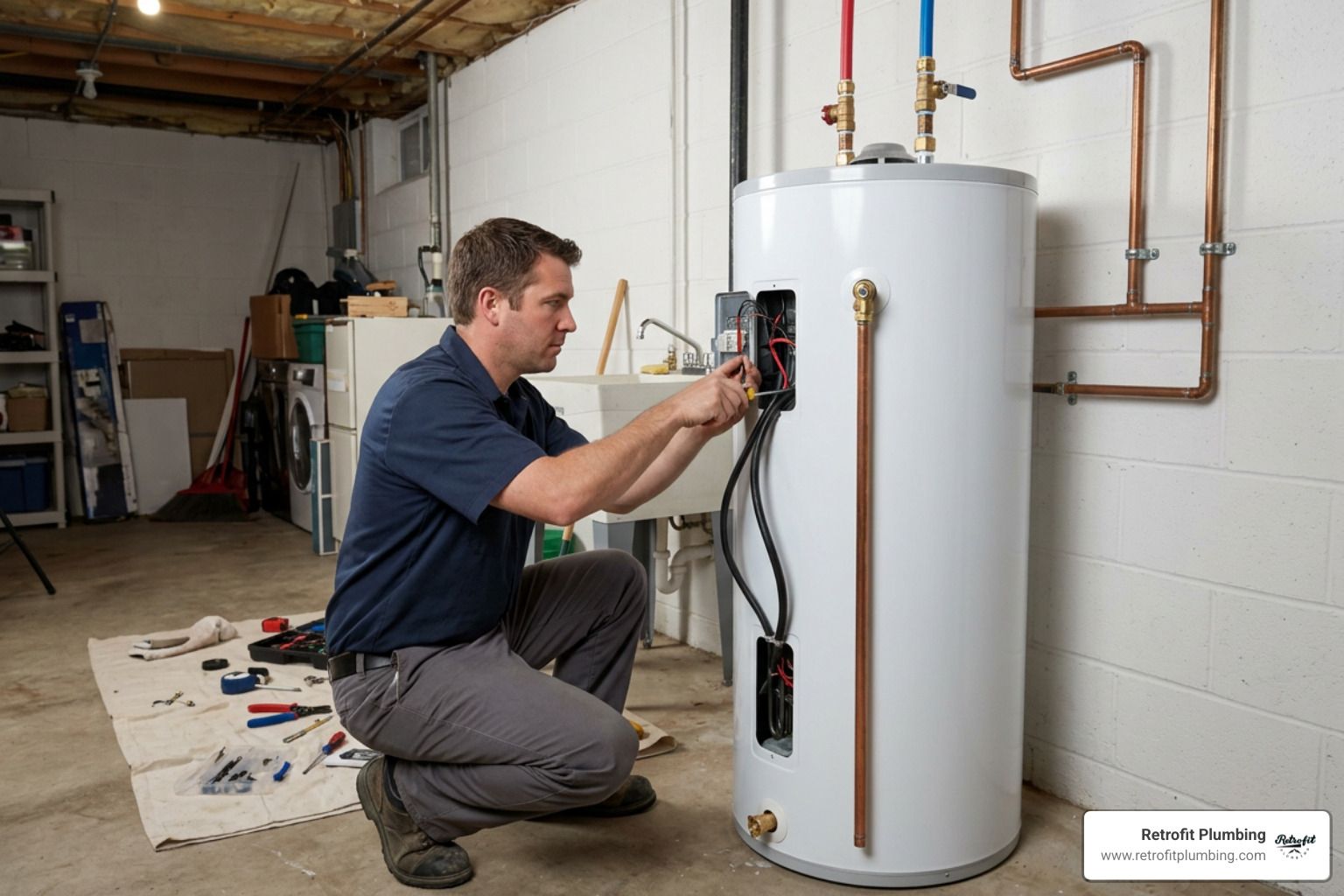
- Water Heater Closets: If your water heater is tucked into a bathroom closet, it needs a sensor. We often see water heater leaks that go unnoticed for months because they're behind a closed door.
- Hidden Pipe Runs: If you have a removable access panel for your whirlpool tub or shower valves, tuck a sensor inside.
For technical details on mounting and naming your devices, you can refer to the Zircon Leak Alert X Documentation. Most sensors can simply be placed on the floor, but some come with brackets or adhesive if you want to mount the "brain" on the wall and run a sensor probe to the floor.
Maintenance Tip: Test your sensors every six months. Just take a damp paper towel and touch it to the probes. You should receive an alert almost instantly. If not, it’s time to check the battery or the Wi-Fi signal.
Frequently Asked Questions about Bathroom Leakage Detectors
Do I need a smart hub for my leak detector to work?
It depends on the model. Standalone alarms (like the Basement Watchdog) and some Wi-Fi models (like SwitchBot) do not require a hub. However, hub-based systems (YoLink, Tapo, Aqara) often offer better battery life and longer range because the sensors don't have to work as hard to maintain a Wi-Fi connection.
How long do the batteries typically last in these sensors?
Most modern bathroom leakage detector units use AAA or lithium coin batteries and last between 2 and 5 years. Because the device stays in a "sleep" mode until water is detected, it consumes very little power.
Can these devices detect leaks behind bathroom walls?
Standard spot sensors cannot detect a leak inside a wall until the water seeps out onto the floor. However, flow-based monitors like the Moen Flo can detect pressure drops that indicate a pinhole leak inside the wall, making them much more effective at catching "hidden" plumbing issues.
Conclusion
At the end of the day, a bathroom leakage detector is one of the smartest investments you can make for your home. For less than the cost of a nice dinner out, you can protect your house in Covington, Renton, or Kent from thousands of dollars in potential water damage.
At Retrofit Plumbing, we’re committed to keeping your home dry and your plumbing running smoothly. Whether you need help installing a whole-home shut-off system or you’ve discovered a leak that your new sensor caught, we’re here to help. We offer honest pricing, fully stocked trucks for same-day service, and a 100% satisfaction guarantee.
Don't wait for a puddle to become a flood. Schedule professional leak detection services with us today and let's make sure your home is protected.