Why a Clogged Bathtub Fix Can't Wait
A clogged bathtub fix is something most homeowners need at least once — and usually at the worst possible time.
Here are the most effective ways to clear a clogged bathtub drain, fast:
- Remove visible hair and debris by hand or with a drain hook tool
- Plunge the drain using a cup plunger with the overflow hole sealed
- Pour baking soda and vinegar down the drain, wait 30 minutes, flush with hot water
- Use a drain snake or auger through the overflow opening for deeper clogs
- Call a licensed plumber if DIY methods fail or multiple drains are affected
That standing water creeping up around your ankles during a shower is more than just annoying. It's a sign that hair, soap scum, or something else is blocking your drain — and it won't get better on its own. In fact, small clogs almost always grow into bigger ones if you ignore them.
The good news? Most bathtub clogs can be cleared at home without special skills or expensive tools.
This guide walks you through every fix — from a quick two-minute hair pull to snaking a deep blockage — so you can get your tub draining normally again today.
I'm Josh Klimp, and with over 20 years of professional plumbing experience, I've cleared hundreds of bathtub clogs ranging from simple hair buildups to stubborn deep-pipe blockages — every clogged bathtub fix in this guide is something I've used in the field. Let's start with what's actually causing your problem.
Common Causes of a Stubborn Tub Clog
Before we dive into the "how-to," we need to understand the "what." Bathtub drains are unique because they handle a specific cocktail of debris that kitchen sinks or toilets never see. In our experience serving homes from Covington to Seattle, we’ve found that most clogs aren't just one thing—they are a layered "cake" of different materials.
The "Big Three" Culprits
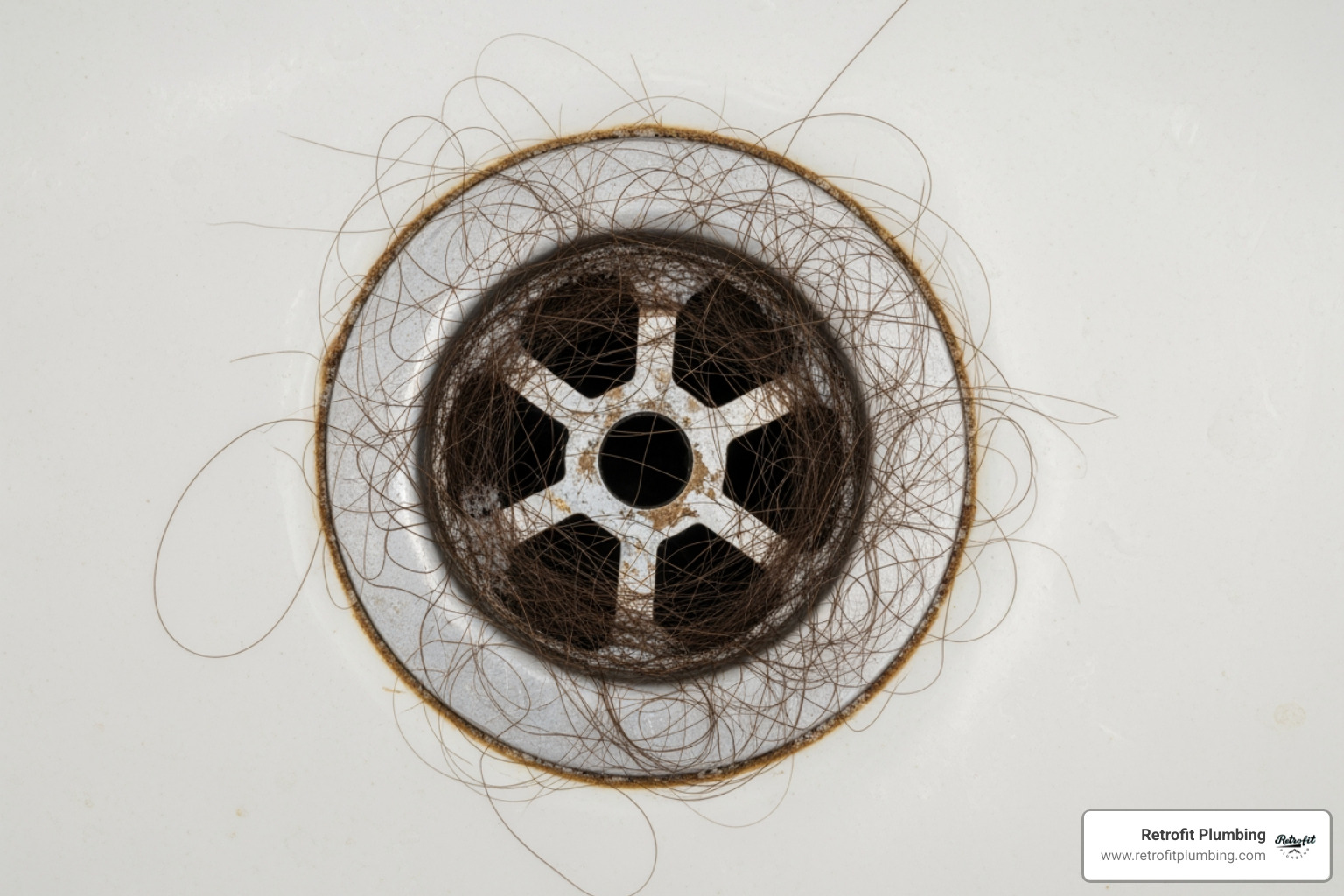
- Hair: This is the undisputed champion of bathtub clogs. Human hair (and pet hair!) is long, thin, and surprisingly strong. It gets caught on the drain stopper or the crossbars in the drain and acts like a net, catching everything else that tries to pass by.
- Soap Scum: Have you ever noticed a film on your tub walls? That same film builds up inside your pipes. Soap is made with fats and oils that react with the minerals in our Washington water, creating a sticky, wax-like substance that narrows the pipe over time.
- Mineral Deposits: In areas like Renton and Kent, hard water can be an issue. Over years, calcium and magnesium can build up inside your pipes, creating a rough surface that makes it even easier for hair and soap scum to snag.
Unexpected Visitors
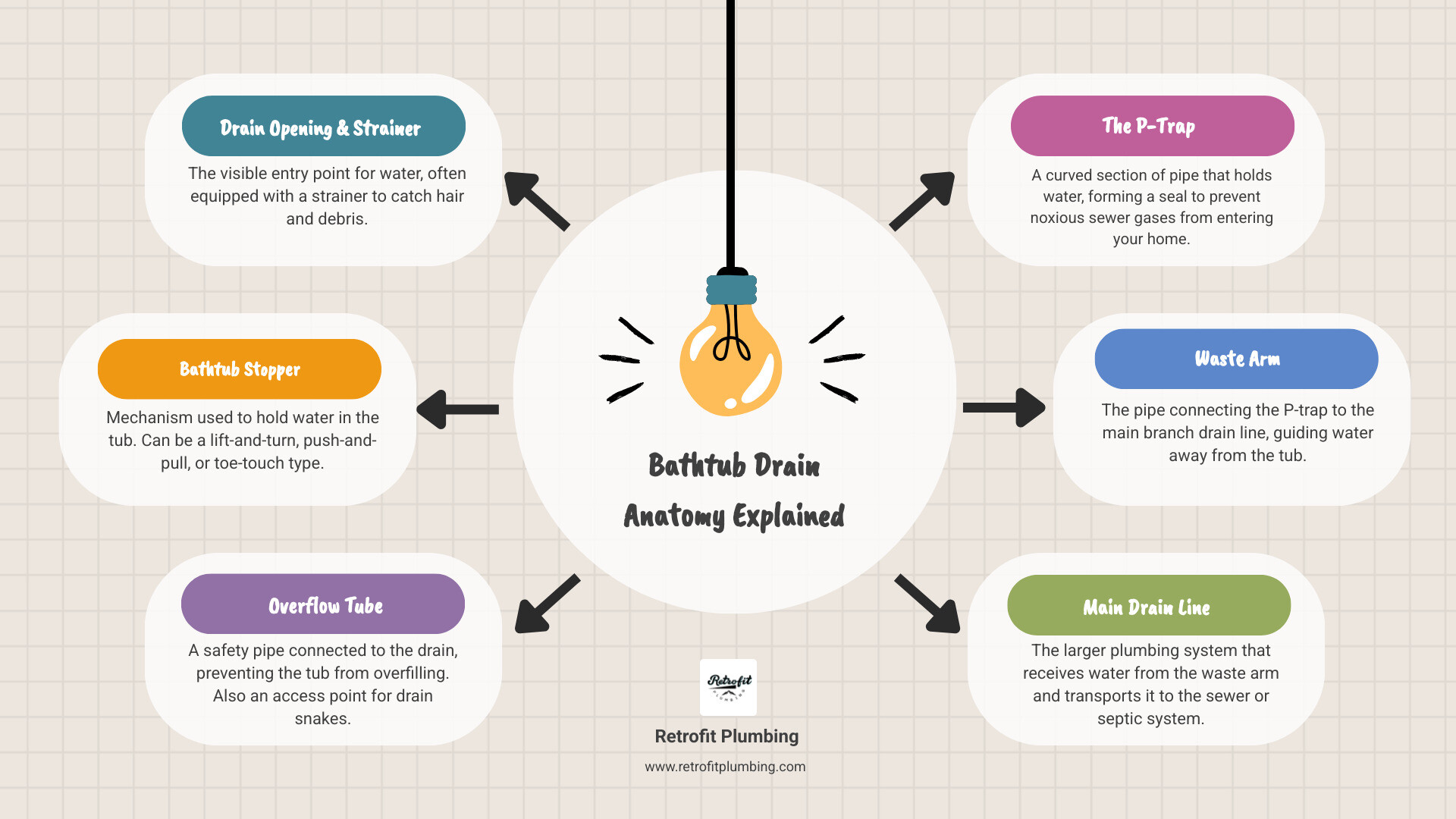
We’ve also pulled out plenty of foreign objects. Children’s toys, jewelry (like that "lost" earring), and even plastic bottle caps frequently find their way into the P-trap. Body oils, heavy conditioners, and bath bombs containing glitter or dried flower petals are also common contributors to a slow drain.
| Clog Type | Primary Symptom | Best DIY Fix |
|---|---|---|
| Hair Clump | Standing water; visible "nest" under stopper | Manual extraction / Zip-It |
| Soap Scum / Oils | Slow drainage; "filmy" water | Baking soda & Vinegar / Dish soap |
| Foreign Object | Sudden, total blockage | Plunger or Shop-Vac |
| Mineral Buildup | Chronic slow drain over months/years | Professional cleaning |
The Ultimate Clogged Bathtub Fix: Step-by-Step Methods
When you're ready to tackle the problem, start with the least invasive method first. Jumping straight to heavy chemicals can damage your pipes, and using a snake improperly can cause more harm than good. If you find yourself overwhelmed, our team at Retrofit Plumbing offers expert Clog Drain Repair to get things flowing again without the stress.
Manual Hair Removal: The Quickest Clogged Bathtub Fix
About 80% of the time, the "hair monster" is living just an inch or two below your drain stopper. If you can remove the stopper, you can usually reach the clog.
How to Remove Your Stopper
- Drop Stopper: Often has a small set screw. Lift it up, find the screw on the side, loosen it, and the top should slide off.
- Push-and-Lock: These usually unscrew counter-clockwise. You might need to hold the base with one hand while turning the top with the other.
- Levered / Rocker Stopper: These are connected to a linkage inside the overflow pipe. You usually have to wiggle them out or unscrew the overflow plate to pull the whole assembly up.
Once the stopper is out, use a pair of needle-nose pliers or a dedicated tool like the Turbo Snake. Another fantastic, budget-friendly option is the Zip-It, which is essentially a long piece of plastic with barbs that "hook" the hair. Simply slide it in, twist, and pull. Be prepared—what comes out is rarely pretty, but it is effective!
The Plunger Method for Standing Water
If you have standing water and manual removal didn't work, it's time to bring in the pressure. For a bathtub, you want a cup plunger(the one that looks like a simple rubber bowl), not a flange plunger used for toilets.
The Pro Secret: Seal the Overflow This is where most DIYers fail. Your bathtub has an overflow hole (that metal plate higher up on the tub wall). If you don't seal this, the air and water pressure from your plunging will just escape out the overflow instead of pushing the clog.
- Remove the overflow plate.
- Stuff a wet washcloth into the hole to create an airtight seal.
- Fill the tub with enough water to cover the rubber head of the plunger.
- Apply the plunger over the drain and give it 20-30 vigorous, fast thrusts.
- Pull the plunger up quickly to create a vacuum.
If the water starts swirling down, you've won! If not, you may need to look at your Bathroom Plumbing more closely or try the next step.
Advanced Clogged Bathtub Fix: Using a Drain Snake or Auger
When the clog is deep in the P-trap or further down the line, a plunger won't reach it. This is where a plumbing snake (also called an auger) comes into play. If you live in an older home in Auburn or Bellevue, your pipes might be more fragile, so proceed with caution. For complex issues, we recommend our Sewer Drain Clog Repairs for Covington to ensure no pipes are damaged in the process.
Using a Drain Snake for a Deep Clogged Bathtub Fix
Don't snake through the drain hole at the bottom of the tub. The turn is too sharp and you risk scratching the finish or getting the snake stuck. Instead, go through the overflow opening.
- Insert the Cable: Remove the overflow plate and feed the snake cable down into the pipe.
- Feel for Resistance: When you hit a "wall," you've likely reached the clog.
- Crank It: Turn the handle clockwise. This helps the tip of the snake "bite" into the hair and debris.
- Retract and Clean: Slowly pull the cable back out. Have a bucket and some rags ready—the gunk coming out will be messy.
- Flush: Once the clog is out, run hot water for several minutes to clear any remaining residue.
For stubborn clogs that a hand snake can't touch, our Rooter Drain Service uses professional-grade equipment to clear the entire diameter of the pipe.
Natural Remedies and Household Hacks
If your drain is just "slow" rather than "stopped," you can often fix it with items from your pantry. We always prefer these over harsh chemical cleaners, which can cause pipe corrosion and are terrible for the environment.
- The Baking Soda & Vinegar Volcano: Pour 1/2 cup of baking soda down the drain, followed by 1/2 cup of white vinegar. Cover the drain and let it fizz for 30 minutes. The chemical reaction creates pressure and a mild solvent effect that can break up soap scum.
- Boiling Water: This is great for melting away grease and soap residue. However, never use boiling water if you have PVC (plastic) pipes, as it can soften the joints and lead to leaks. Use hot tap water instead. If you suspect a leak after a DIY attempt, check out our Leak Detection services.
- Dish Soap: Sometimes a clog just needs a little lubrication. Pouring 1/4 cup of degreasing dish soap down the drain followed by hot water can help a "stuck" clog slide through the P-trap.
How to Prevent Future Bathtub Clogs
The best clogged bathtub fix is never having a clog in the first place! Here is how we recommend our customers in Kirkland and Seattle maintain their drains:
- Install a TubShroom: This award-winning hair catcher sits inside the drain and catches hair before it ever enters your pipes. It’s a game-changer.
- Brush Before You Wash: Brushing your hair before getting in the shower removes loose strands that would otherwise end up in the drain.
- Monthly Maintenance: Once a month, do a baking soda and vinegar flush followed by a bucket of very hot water. This prevents soap scum from hardening.
- Watch the Roots: If you have an older home in Covington, tree roots can sometimes infiltrate your main line, causing all your drains to slow down. Our De-rooting Plumbing Repair in Covington WA can address these deeper issues.
When to Call a Professional Plumber
Sometimes, a clogged bathtub fix is beyond the reach of a plunger or a hand snake. Here are the red flags that mean you should stop what you're doing and call us:
- Gurgling Sounds: If your toilet bubbles when you drain the tub, you have a venting issue or a main line clog.
- Sewage Odors: If the drain smells like a sewer, your P-trap might be dry or there could be a serious blockage in the main stack.
- Multiple Clogged Fixtures: If the tub, the sink, and the toilet are all acting up, the problem isn't in your tub—it's in your main sewer line.
- DIY Failure: If you've snaked and plunged and the water hasn't moved an inch, you likely have a solid obstruction or pipe corrosion that requires professional tools.
For those "oh no!" moments, Retrofit Plumbing offers Emergency Plumbing with same-day service to the greater Covington area.
Frequently Asked Questions about Bathtub Clogs
Can I use Coca-Cola to unclog my bathtub?
While Coca-Cola contains phosphoric acid which can dissolve some organic matter, it is generally ineffective for bathtub clogs. You would need a massive amount of soda, and the sugar can actually leave behind a sticky residue that attracts more debris. Stick to baking soda and vinegar!
Is it safe to use boiling water in PVC pipes?
No. Most modern homes use PVC or CPVC piping. Boiling water (212°F) can exceed the temperature rating of these pipes and the glue holding them together. This can lead to warped pipes or failed joints. If you have plastic pipes, stick to hot tap water (usually around 120°F-140°F).
Why does my bathtub drain smell like rotten eggs?
This is usually caused by bacteria living on the hair and soap scum inside your drain. These bacteria produce hydrogen sulfide gas. A thorough cleaning with baking soda, vinegar, and a good scrubbing of the stopper usually solves the problem. If the smell persists, it could be a sign of a deeper sewer line issue.
Conclusion
A clogged bathtub fix doesn't have to be a nightmare. By starting with simple manual removal, moving to the plunger (don't forget the overflow!), and using natural cleaners, you can solve most drainage issues on your own.
However, we know that plumbing can be unpredictable. Whether you're in Covington, Renton, Kent, or Auburn, Retrofit Plumbing is here to help when the DIY methods just aren't enough. We pride ourselves on honest pricing, fully stocked trucks for same-day service, and a 100% satisfaction guarantee.
Don't let a slow drain ruin your morning routine. If you need a professional Clog Drain Repair, give us a call today and experience the Retrofit difference!