What Kent, WA Property Owners Need to Know About Backflow Testing
Backflow testing Kent WA is legally required for most property owners — here's what that means for you at a glance:
| Question | Quick Answer |
|---|---|
| How often is testing required? | Annually |
| Who requires it? | City of Kent (KCC 7.02) and Washington State (WAC 246-290-490) |
| Who can perform the test? | Washington State certified Backflow Assembly Tester (BAT) only |
| Where do test results go? | Submitted to your water district (City of Kent or Highline Water District) |
| Who needs it? | Commercial, residential with irrigation, fire lines, and high-hazard properties |
If your water district has sent you a notice, you're in the right place.
Kent property owners are required by law to have their backflow prevention assemblies tested every year. Fail to comply, and you risk contaminating the public drinking water supply — and facing penalties from your water district.
The rules come from two places: Washington State law (WAC 246-290-490) and the Kent City Code (KCC 7.02 – Part 2). Both require annual testing by a state-certified tester, with results filed directly with your water district.
It sounds simple, but the process — finding a certified tester, scheduling access, and submitting paperwork to the right district — trips up a lot of busy homeowners and business owners.
I'm Josh Klimp, and with over 20 years of professional plumbing experience — including backflow testing Kent WA properties of all types — I'll walk you through everything you need to stay compliant, avoid failed tests, and protect your water supply.
Understanding Backflow and Health Risks in Kent
At its simplest, backflow is the unwanted reversal of water flow in a plumbing system. Instead of water flowing from the city main into your home or business, "used" or contaminated water flows backward into the clean, potable water supply. In a city like Kent, where we have a mix of heavy industrial zones, agricultural areas, and dense residential neighborhoods, this poses a massive public health risk.
When backflow occurs, the water entering your drinking taps could contain anything from lawn fertilizers and pesticides to industrial chemicals or even fecal matter. This isn't just a "gross" factor; it's a serious medical hazard. Contaminated water can carry microorganisms like E. coli or Giardia, as well as heavy metals and toxic chemicals that lead to immediate illness or long-term health complications.
Our Plumbing Services team often sees properties where the line between "clean" and "dirty" is dangerously thin. Without a properly functioning backflow preventer, your morning coffee could literally be brewed with water that was sitting in a stagnant fire sprinkler line or a chemical mixing vat.
Causes of Backflow: Backsiphonage and Backpressure
To understand why backflow testing Kent WA is so critical, you have to understand the two ways water can go rogue: backsiphonage and backpressure.
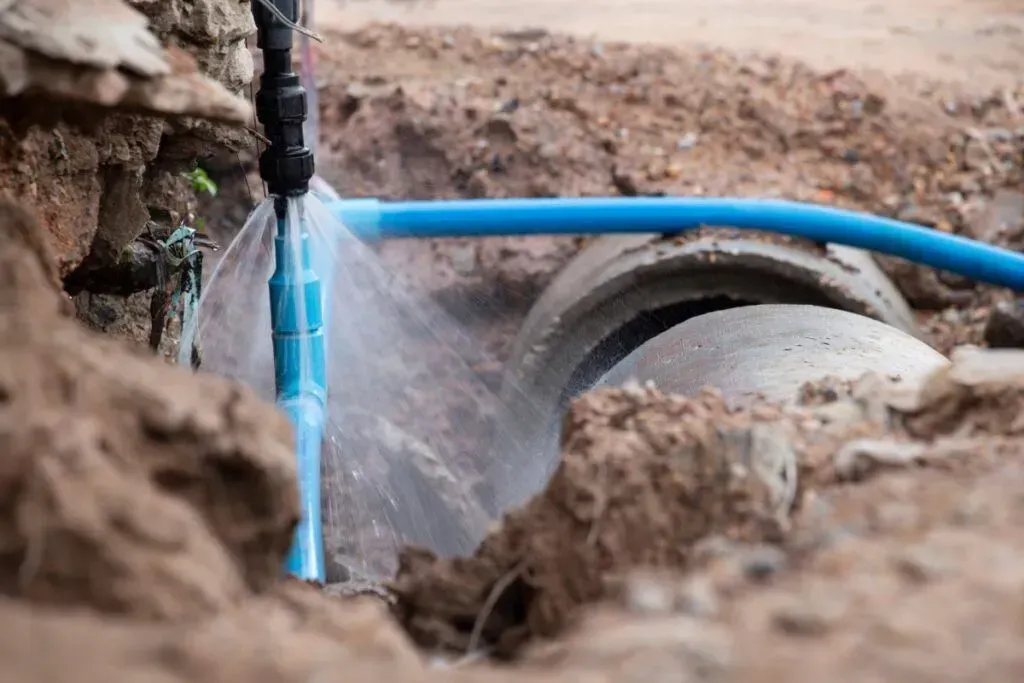
Backsiphonage occurs when there is a sudden drop in water pressure in the city’s distribution system. Think of it like a vacuum effect. If a water main breaks on Meeker Street or the fire department opens several hydrants to fight a large blaze, the pressure in the pipes drops. This creates a suction that can pull water from your private plumbing (like a submerged garden hose in a soapy bucket) back into the city’s clean water lines.
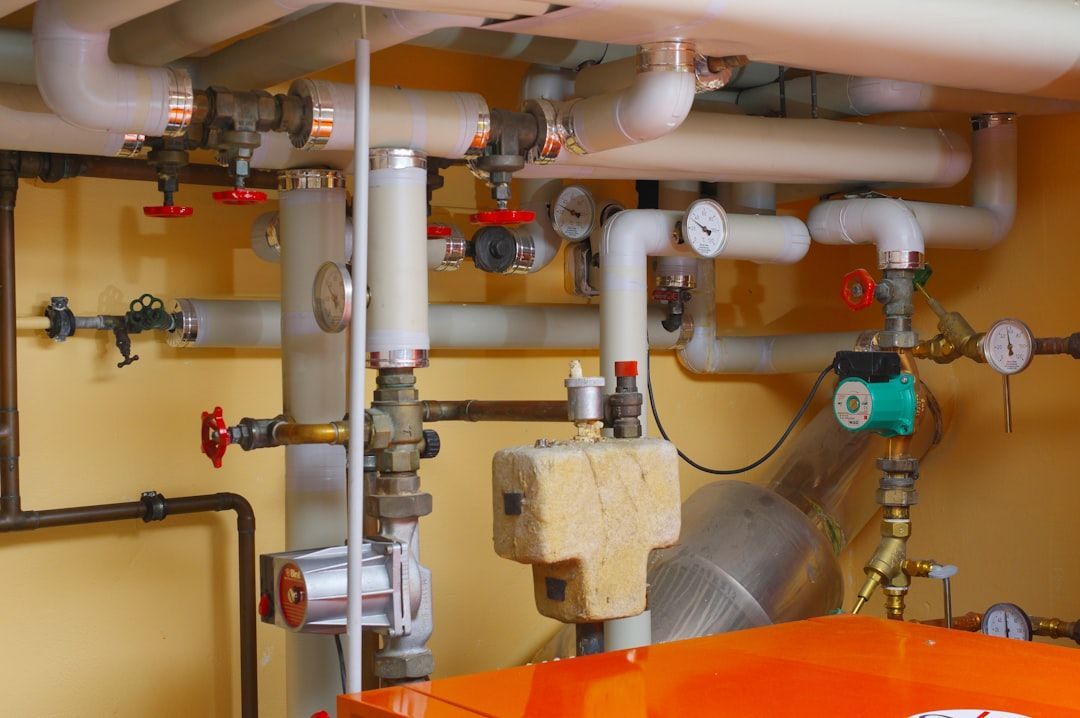
Backpressure, on the other hand, happens when the pressure inside your property’s system exceeds the pressure of the city’s supply. This is common in buildings with high-pressure boilers, unvented heating systems where thermal expansion occurs, or irrigation systems equipped with booster pumps. If your system is "pushing" harder than the city is "pulling," that water will find the path of least resistance—which is often right back into the drinking water.
If you ever suspect a pressure-related issue or see water flowing where it shouldn't, our Emergency Plumbing experts are available to help stabilize your system before a minor pressure change becomes a major health crisis.
Washington State Regulations for Backflow Testing Kent WA
In Washington, we don't play around with water safety. The primary regulation governing this is WAC 246-290-490, which mandates that all public water systems implement a cross-connection control program. Locally, the Cross Connection Control Program | City of Kent oversees these efforts under KCC 7.02 Part 2.
These laws place the responsibility squarely on the property owner. If you own a building in Kent, you are legally required to:
- Install an approved backflow prevention assembly.
- Have that assembly tested annually by a Washington State Department of Health certified Backflow Assembly Tester (BAT).
- Maintain the device in good working order.
Annual inspections are not optional. The City of Kent and other local purveyors, like the Highline Water District, track every registered assembly. If your "Passed" report isn't filed by the deadline, the city has the authority to shut off your water service to protect the rest of the community.
Premise Isolation and Hazard Requirements
Not every property is treated the same. The type of protection you need depends on the "hazard level" of your property. This is known as premise isolation.
- High Hazard Properties: These include car washes, hospitals, chemical processing plants, and agricultural farms. Because the risk of toxic contamination is high, these properties usually require an air gap or a Reduced Pressure Backflow Assembly (RPBA) installed right at the water meter.
- Low Hazard Properties: These typically include standard residential homes with irrigation systems or small commercial offices. While the risk is lower, a "low hazard" does not mean "no hazard." A simple hose bib or a home boiler still requires protection like a Double Check Valve Assembly (DCVA).
At Retrofit Plumbing, we take pride in helping our neighbors understand these complex rules. You can learn more About Us and our commitment to keeping Covington, Kent, and the surrounding areas safe through expert compliance.
Common Backflow Prevention Assemblies and Failure Signs
There are several types of assemblies used in Kent, each designed for specific pressure conditions and hazard levels.
| Assembly Type | Hazard Level | Common Application |
|---|---|---|
| RPBA (Reduced Pressure) | High | Car washes, hospitals, commercial boilers |
| DCVA (Double Check Valve) | Low | Residential irrigation, fire lines (no chemicals) |
| PVB (Pressure Vacuum Breaker) | High/Low | Irrigation systems (backsiphonage only) |
| Air Gap | High | Industrial tanks, cooling towers |
Each of these devices relies on internal springs, rubber gaskets, and check valves to keep water moving in one direction. Over time, these parts wear out. Debris from the water main, mineral buildup, or even a hard freeze can cause an assembly to fail.
If you notice signs of a leak or suspect your system isn't holding pressure, our Leak Detection services can pinpoint the issue before it leads to a failed annual test.
Identifying a Failing Backflow Preventer
While the annual test is the only way to be 100% sure, your plumbing might give you some "warning shots" that your backflow preventer is on its last legs:
- Discolored Water: If your tap water looks brown, yellow, or "rusty," it could be a sign that stagnant water is leaking back into your lines.
- Low Water Pressure: A fouled check valve can restrict flow, leading to a noticeable drop in pressure at your sinks or showers.
- Foul Odors: Water that smells like sulfur or "sewer gas" is a major red flag.
- Visible Leaking: If you see water constantly dripping from the relief valve of an RPBA, the internal seals are likely compromised.
If you spot any of these, don't wait for your annual notice. Reach out for Backflow Testing & Repair Services immediately to avoid a total system failure.
How to Schedule and Complete Backflow Testing Kent WA
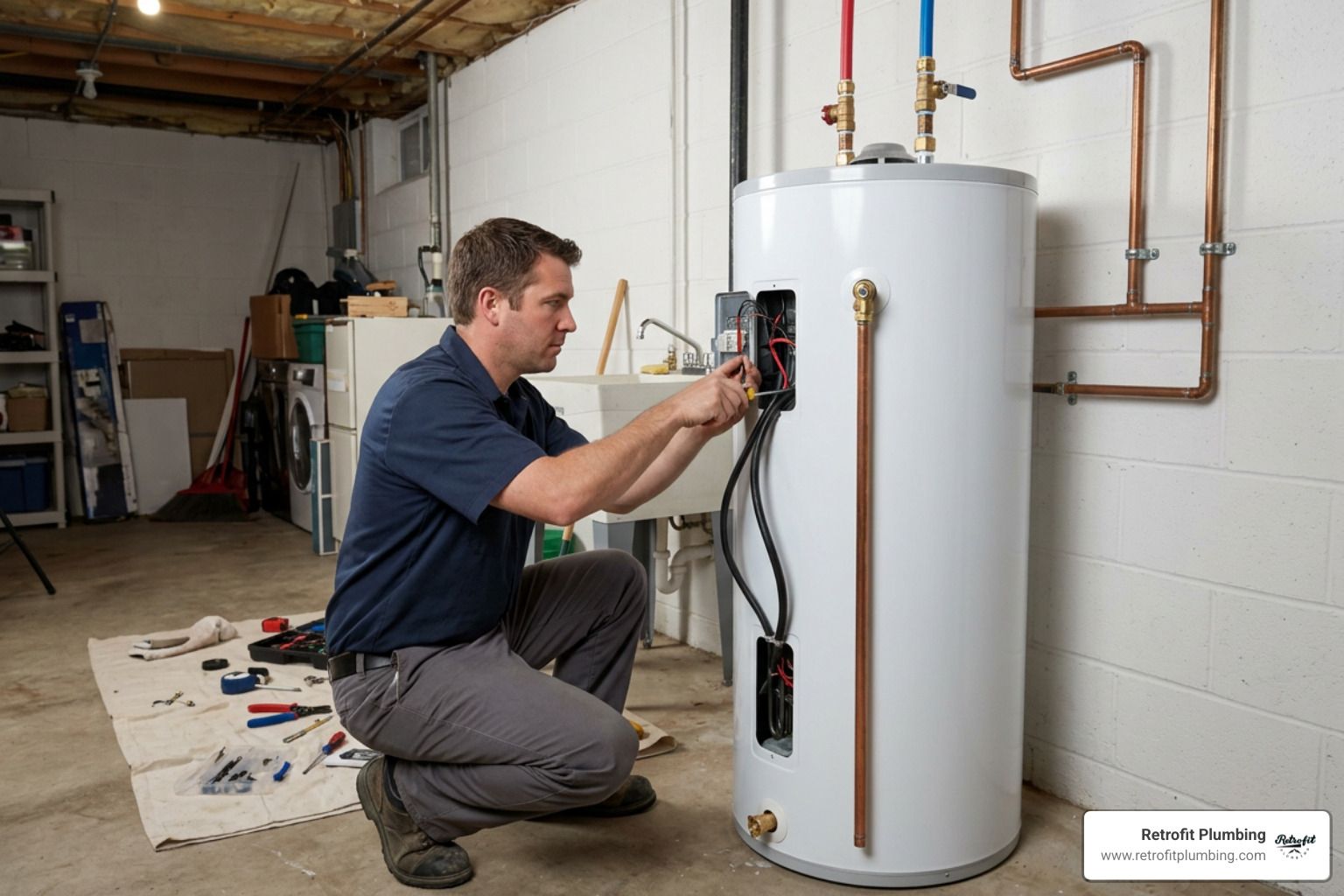
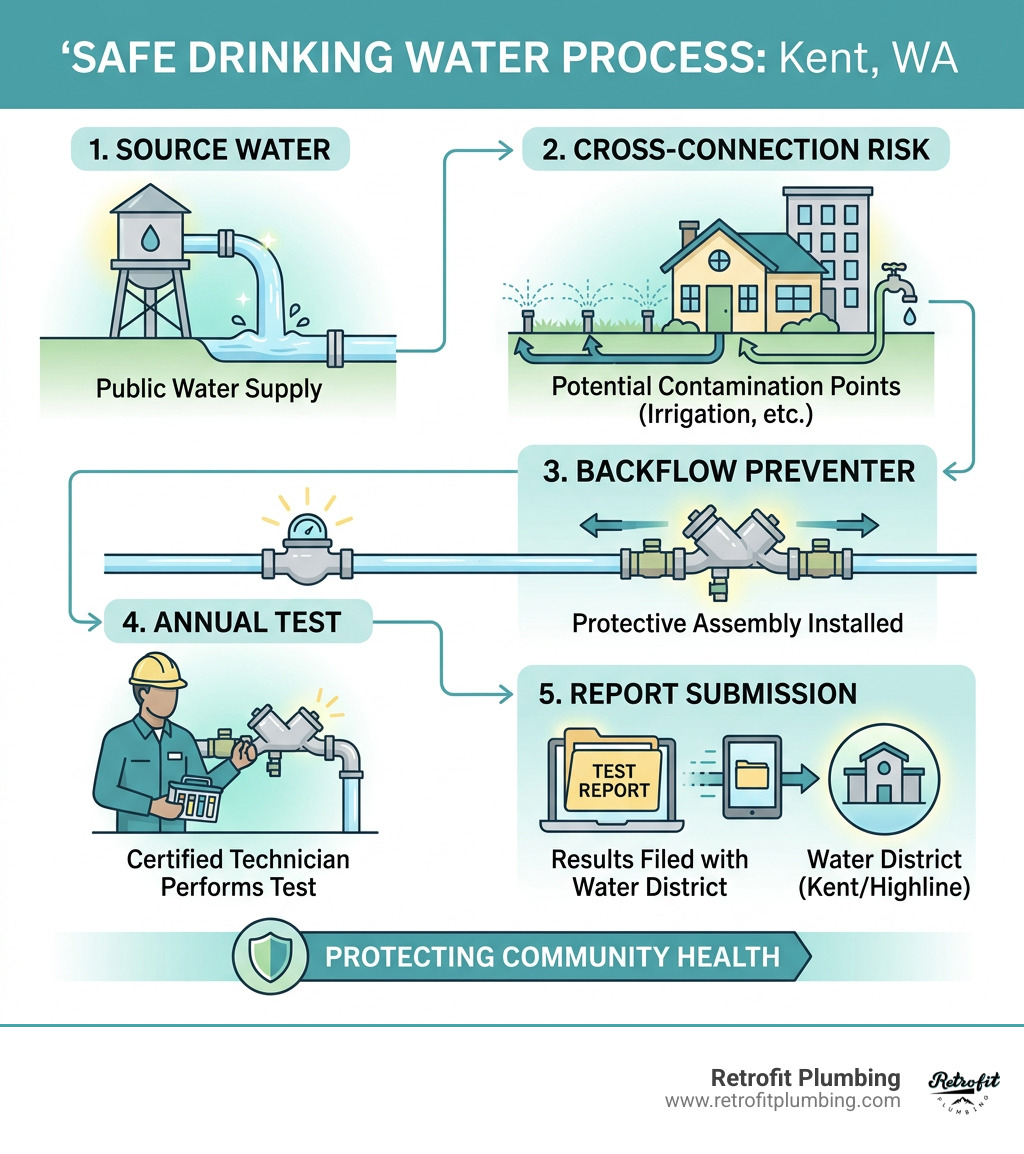
The process for backflow testing Kent WA follows a specific sequence. You cannot simply have a general handyman look at the device; it must be a Washington State certified Backflow Assembly Tester (BAT).
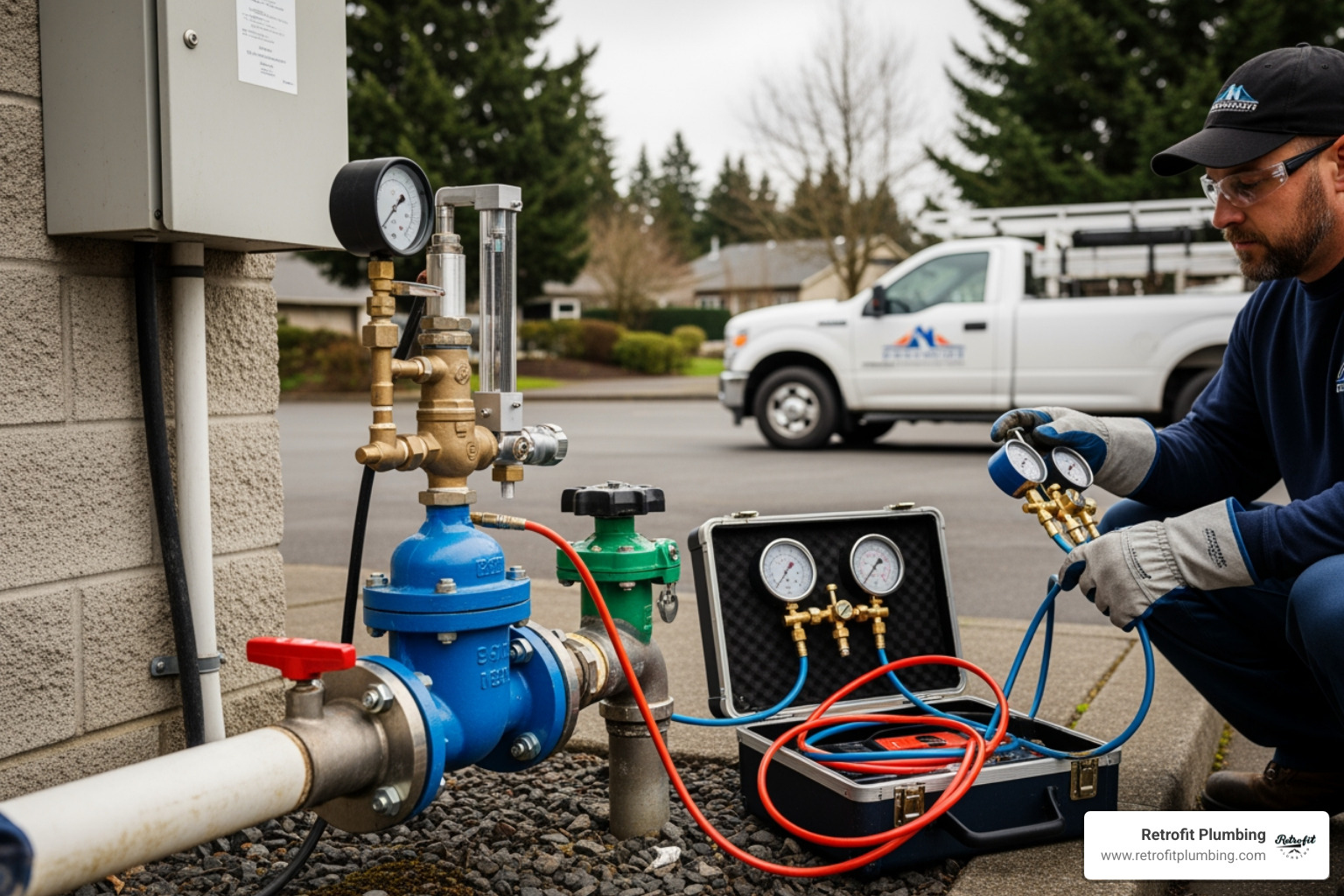
When the technician arrives, they will hook up a specialized, calibrated test kit to the test cocks on your assembly. They will check the pressure differentials across the check valves to ensure they close tightly and that the relief valve (if applicable) opens at the correct pressure.
To find a list of qualified individuals, you can visit the Backflow Assembly Tester Website provided by Washington Certification Services. This database allows you to search for testers who are currently licensed and in good standing.
Submitting Reports to Kent Water Districts
Once the test is complete, the paperwork must be filed. In our region, the two primary purveyors are the City of Kent Public Works and the Highline Water District.
- City of Kent: They maintain a strict Cross Connection Control Program. Reports must be submitted using the city's specific forms.
- Highline Water District: They often require "Passed" reports to be emailed to a dedicated backflow address or submitted through their online portal.
Many professional testers, including our team, handle this electronic filing for you. We know the specific requirements for our Service Areas, ensuring your report doesn't get lost in the shuffle. That some districts charge a small submission fee (ranging from $1 to $15) to process the paperwork.
Costs and Repair Options for Property Owners
We believe in honest pricing, so let's talk numbers. The cost for a standard backflow testing Kent WA appointment usually starts with a base fee—often around $55 to $100 depending on the size of the assembly and the location.
However, the total cost can be affected by:
- District Submission Fees: As mentioned, the water district may charge a fee to file the report.
- Repairs: If the assembly fails, it will need to be repaired. This usually involves replacing rubber O-rings, gaskets, or springs. We always use original factory parts to ensure the device lasts another year.
- Hydrostatic Testing: For complex commercial systems, more advanced diagnostic techniques might be required to find internal leaks.
If your device is old or damaged beyond repair (common after a harsh Washington winter), we may recommend a full replacement. While more expensive upfront, a new, modern assembly is often more reliable and easier to test.
Property owners in nearby areas can also check the Water - City of Auburn page for local fee structures and requirements if they own property across the city line.
Frequently Asked Questions about Backflow Testing Kent WA
How often must my backflow assembly be tested?
In the state of Washington, you are required to have your backflow assembly tested once every year. This is a mandate from the Washington State Department of Health. Your water district will typically send you a reminder notice 30 to 60 days before your deadline. It is vital to schedule your test as soon as you receive this notice to avoid service interruption.
What happens if my backflow preventer fails the test?
Don't panic! A failed test just means the device isn't performing to its safety specifications. Most of the time, this is due to a small piece of debris or a worn-out rubber seal. A certified technician can usually perform a "clean and prime" or replace the internal gaskets on the spot. After the repair, the device is re-tested. If it passes the second time, you are compliant. If the device is cracked or severely corroded, a full replacement will be necessary.
Who is required to have backflow prevention installed?
According to Backflow Assembly Testing - Utilities | seattle.gov(which mirrors many Kent policies), you likely need backflow prevention if you have:
- A commercial or industrial property.
- An irrigation or lawn sprinkler system.
- A fire sprinkler system.
- A swimming pool or large decorative fountain.
- A multi-family residential building (3+ units).
- A medical or dental facility.
Conclusion
Protecting the water we drink is a community effort. While the administrative side of backflow testing Kent WA can feel like a chore, the actual goal is simple: keeping our families and neighbors safe from preventable water contamination.
At Retrofit Plumbing, we make the process as painless as possible. From the initial test to the final paperwork submission, we handle the details so you don't have to. We offer honest pricing, fully stocked trucks for same-day repairs, and a 100% satisfaction guarantee. Whether you are in Covington, Renton, or right here in Kent, we are your local experts in water safety.
Ready to clear that city notice off your desk? Contact Us today to schedule your annual test. We are proud to serve the community of Kent, WA and keep our local water flowing clean and safe.