What to Do During a Water Heater Emergency Repair
Water heater emergency repair is something most homeowners will face at least once — and it almost never happens at a convenient time.
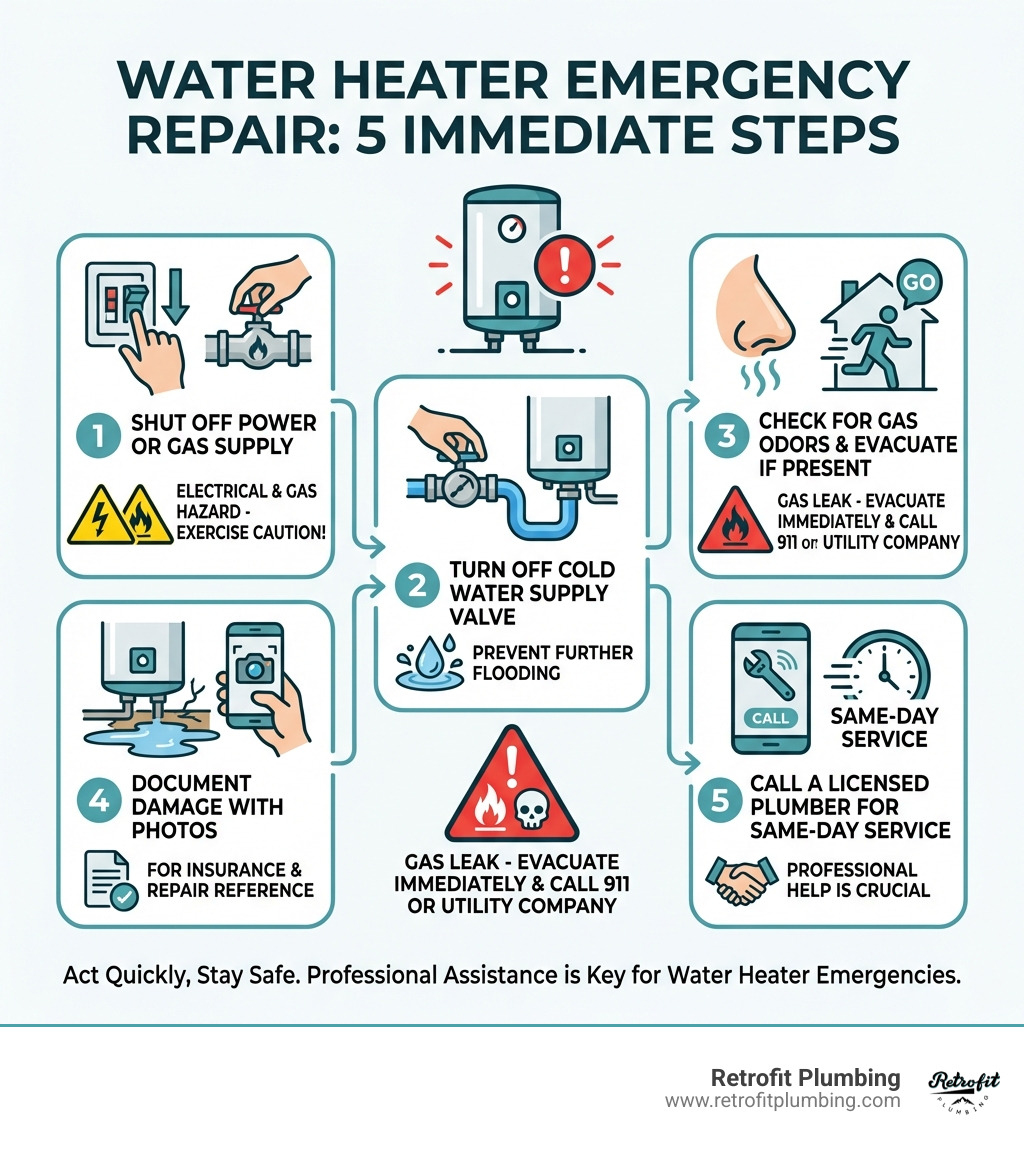
If you need to act right now, here are the 5 immediate steps:
- Shut off the power or gas to the water heater
- Turn off the cold water supply valve to the tank
- Check for gas odors — if you smell gas, evacuate and call your gas company
- Document the damage with photos before touching anything
- Call a licensed plumber for same-day emergency service
A cold shower on a winter morning is bad enough. But walk into a flooded basement, catch a whiff of something burning near your water heater, or hear a loud bang from your utility room — and you've got a real emergency on your hands.
Water heater failures don't just cut off your hot water. They can flood your home, create fire or gas hazards, and cause serious property damage — fast. According to industry data, 80% of water heaters break down after just 8 to 10 years, meaning most households will face this situation eventually.
The good news? Knowing exactly what to do in the first few minutes can prevent the situation from getting much worse.
My name is Josh Klimp, and with over 20 years of professional plumbing experience handling everything from minor thermostat fixes to full tank replacements, I've responded to hundreds of water heater emergency repair calls across the South Sound. This guide walks you through every step — from the moment something goes wrong to getting your hot water back on.
Identifying a Water Heater Emergency Repair Situation
Not every hiccup with your hot water is a full-blown crisis, but when things go south, they often do so with flair. Identifying a true water heater emergency repair situation early can be the difference between a simple part replacement and a $10,000 insurance claim for water damage.
Active Flooding and Leaks
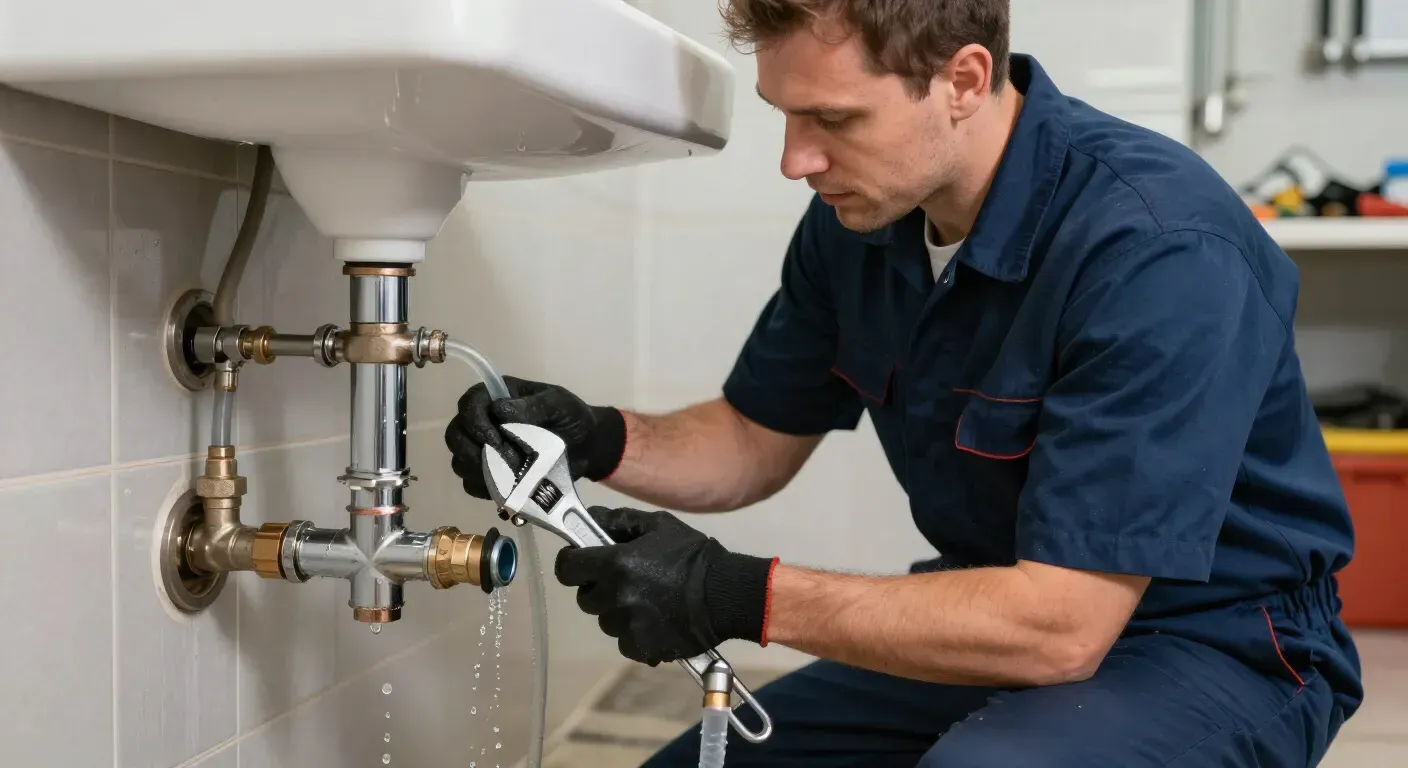
If you walk into your utility room or basement and see a puddle forming, you have an emergency. While a small drip from a valve might seem minor, it rarely stays small. If the tank itself is leaking, it often indicates internal corrosion that has finally eaten through the steel. This can lead to a catastrophic tank rupture. For more detailed guidance, check out our page on water heater leaks.
Gas Odors and Sulfur Smells
If you smell "rotten eggs" near your unit, stop what you are doing. This is the scent added to natural gas to help you detect leaks. A gas leak is a high-priority emergency that requires immediate evacuation. Similarly, a burning or metallic smell can indicate electrical scorching or a failing motor in power-vented models.
Popping and Banging Noises
Does your water heater sound like it’s making popcorn or like someone is hitting it with a hammer? These "rumbling" sounds are caused by sediment buildup at the bottom of the tank. As water gets trapped under the layer of sediment and boils, it creates steam bubbles that "pop" through the crust. While it sounds like a ghost is in your pipes, it’s actually a sign that the bottom of your tank is overheating, which significantly increases the risk of a tank rupture.
Signs You Need Immediate Water Heater Emergency Repair
Sometimes the signs are more subtle than a flood but just as urgent. If you notice any of the following, don't wait for the weekend to pass:
- No Hot Water at All: On a freezing night in Renton or Kent, this isn't just an inconvenience; it can lead to frozen pipes if the home temperature drops.
- Rusty or Discolored Water: This usually means the sacrificial anode rod has failed and the tank itself is now rusting from the inside out.
- Metallic Taste: If your hot water tastes like pennies, the internal lining of your heater is likely degrading into your water supply.
- Tripping Breakers: If your electric water heater keeps flipping the circuit breaker, you likely have a shorted heating element—a major fire hazard.
Emergency vs. Performance Issue
| Issue | Status | Action |
|---|---|---|
| Water takes longer to heat up | Performance | Schedule maintenance |
| Lukewarm water only | Performance | Check thermostat/elements |
| Visible pooling under tank | EMERGENCY | Shut off water/power & call pro |
| Smell of natural gas | EMERGENCY | Evacuate and call gas company |
| Loud banging/popping | EMERGENCY | Shut off unit & call pro |
Critical Safety Steps Before Professional Help Arrives
Once you've identified the problem, your priority is mitigation. You want to stop the "bleeding"—whether that’s water, gas, or electricity.
1. Disconnect the Power or Gas
For an electric water heater, find your home’s main circuit breaker panel and flip the switch labeled "Water Heater" to the OFF position. For gas units, look for the dedicated gas shut-off valve on the pipe leading into the heater. Turn the handle so it is perpendicular (at a 90-degree angle) to the pipe. If you're unsure where these are, this video on how to find and use shut-off valves is a lifesaver.
2. Shut Off the Water Supply
Locate the cold water inlet pipe (usually marked with a blue ring or handle). Turn the valve clockwise until it stops. This prevents more water from entering the tank and feeding the leak. If the valve is stuck or the leak is massive, you may need to turn off the main water shut-off for the entire house.
3. Ensure Proper Ventilation
If you suspect a gas issue or see smoke, open nearby windows and doors to vent the area. However, if the smell of gas is strong, do not stay inside to open windows—just get out. Carbon monoxide is odorless and colorless; if your water heater’s vent pipe is disconnected or blocked, it can be deadly.
4. Draining the Tank (If Safe)
If you have a major leak and a floor drain nearby, you can attach a garden hose to the drain valve at the bottom of the tank and run the other end to the drain. This relieves the pressure and removes the volume of water that could otherwise end up on your floor. For more on what to do during these crises, see our emergency plumbing services page.
5. Document Everything
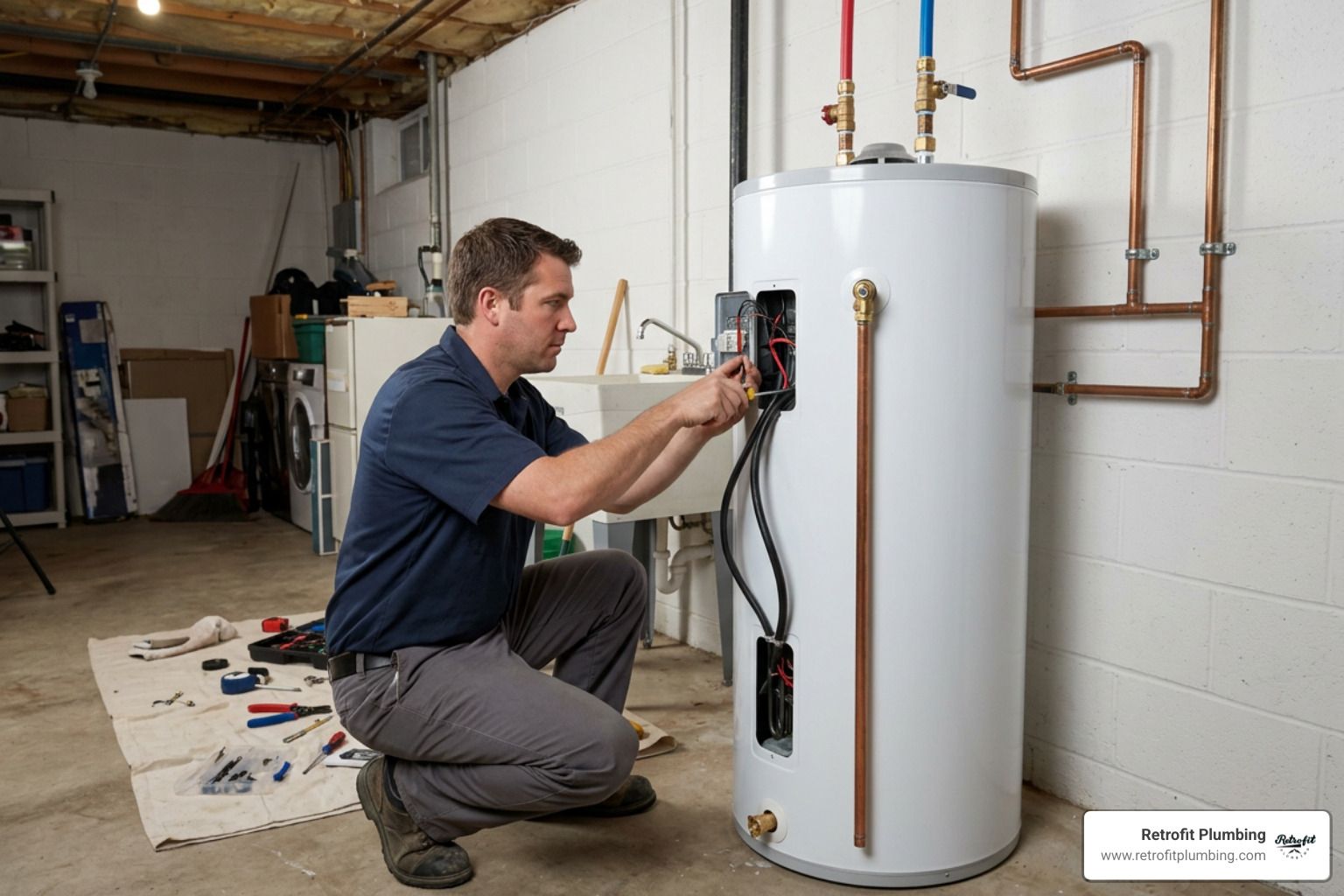
Before our technician arrives, take clear photos of the unit, the serial number plate, and any water damage to the surrounding floor or walls. This is vital for insurance purposes and helps us diagnose the issue faster.
DIY Troubleshooting and Basic Repairs
While a leaking tank always requires a pro, some hot water issues are simpler than they seem. If you’re feeling handy and have confirmed the unit is safe to touch, you can try these steps.
Check the Settings and Power
- Thermostat: Ensure your thermostat is set to 120°F. This is the "sweet spot" for safety and energy efficiency. If it’s set too high, it can trigger the high-limit switch, shutting the unit down.
- The "Reset" Button: Electric water heaters have a red high-limit reset button located near the thermostat. If it has tripped, a simple press might bring the hot water back. (Note: If it trips again, you have a deeper electrical issue).
- Pilot Light: On older gas models, the pilot light can blow out. Follow the instructions on the tank's jacket to safely relight it. If it won't stay lit, the thermocouple—a cheap and common part—is likely the culprit.
Testing and Maintenance
If you have a multimeter, you can test the heating elements on an electric unit for continuity. If an element is "open," it isn't heating, and you'll only get lukewarm water. You can learn more about these specific fixes on our water heater repair page.
Essential Tools for Water Heater Emergency Repair
If you plan on doing any basic maintenance, keep these tools in a dedicated "emergency bucket":
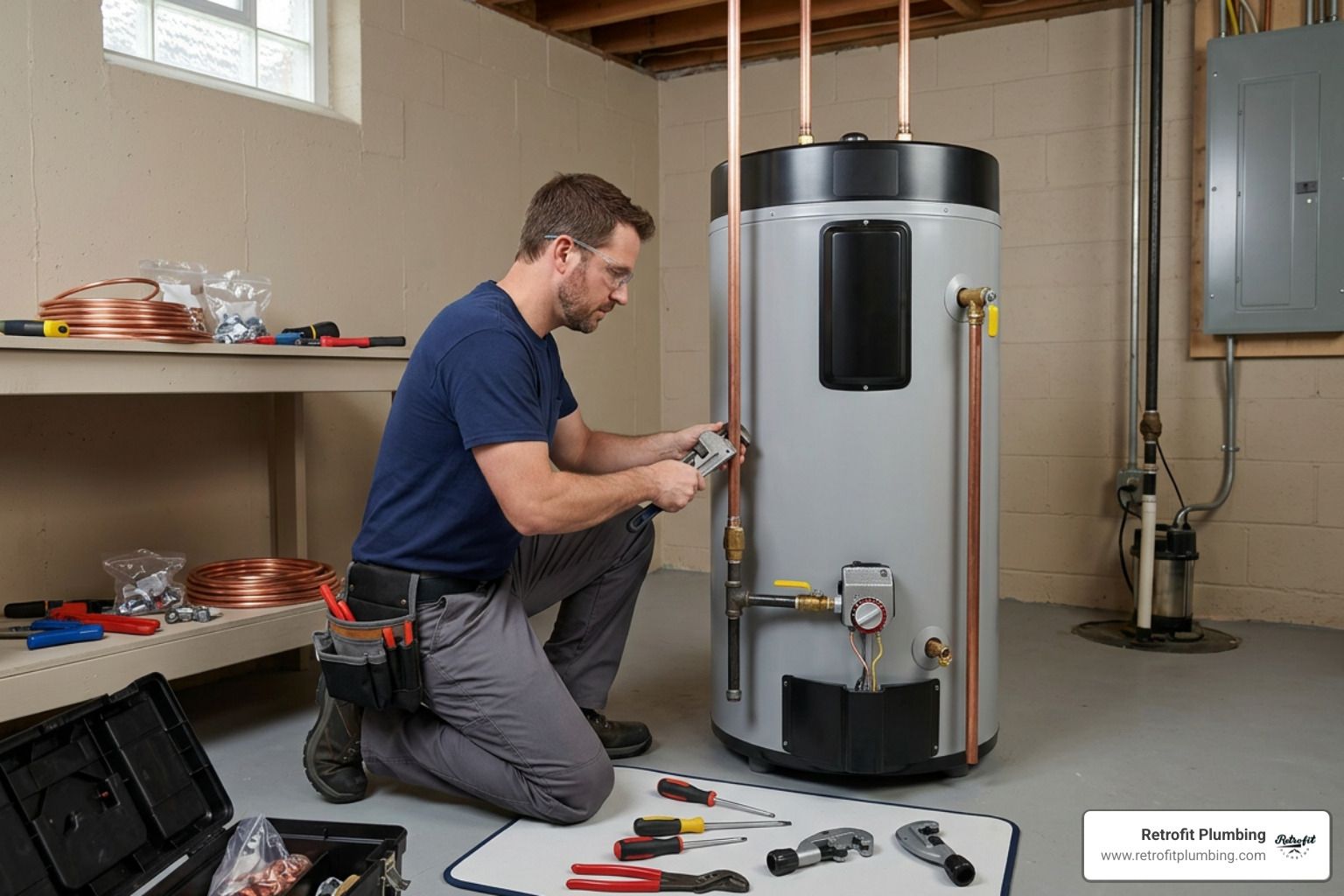
- Pipe Wrench & Adjustable Wrench: For tightening loose inlet/outlet connections.
- Screwdriver (Phillips and Flathead): To access panels and thermostats.
- Plumber’s Tape (Teflon Tape): For sealing threaded connections.
- Non-contact Voltage Tester: To double-check that the power is truly off before you touch wires.
- Garden Hose: Essential for flushing sediment or draining the tank.
Deciding Between Repair and Full Replacement
One of the hardest questions we answer for homeowners in Covington and Tacoma is: "Should I fix this or just buy a new one?"
The 10-Year Rule
The average lifespan of a traditional tank water heater is about 10 to 12 years. Industry stats show that 80% of units fail after year 8. If your heater is over a decade old and facing a major repair (like a failed gas valve or multiple heating elements), the money is usually better spent on a replacement.
When to Replace:
- Tank Corrosion: If the tank itself is leaking, it cannot be repaired. It must be replaced.
- Recurring Breakdowns: If you’ve called us three times in the last year, the unit is telling you it's done.
- Energy Efficiency: Modern units, especially tankless water heaters, use significantly less energy. If your bills are skyrocketing, an upgrade pays for itself over time.
When to Repair:
- Unit is under 6 years old: Most units are still under parts warranties during this window.
- Minor Part Failure: Replacing a heating element, a thermostat, or a T&P (Temperature and Pressure) relief valve is much cheaper than a new install.
Frequently Asked Questions about Water Heater Emergencies
How long does a typical water heater repair take?
For most common issues like replacing a thermocouple or a heating element, the repair takes about 1 to 2 hours. More complex problems, such as replacing a gas control valve or repairing extensive piping, can take 3 to 4 hours. At Retrofit Plumbing, we keep our trucks fully stocked so we can usually finish the job in one visit without hunting for parts.
Can I fix a leaking water heater tank myself?
If the leak is coming from a loose pipe fitting or a faulty valve, yes—you can often tighten it or replace the valve. However, if the leak is coming from the bottom of the tank or the tank's body, it is likely an internal crack or corrosion. These cannot be patched or welded safely. In this case, professional replacement is the only option.
What are the common costs of emergency service?
Costs vary based on the time of day and the complexity of the issue. Most reputable companies charge a flat diagnostic or "call-out" fee (often ranging from $99 to $150) which may be applied to the repair cost. A simple heating element replacement might cost a few hundred dollars, while a major gas component could be more. We always provide honest, upfront pricing before we start any work so there are no surprises.
Conclusion
A water heater emergency repair doesn't have to ruin your week. By staying calm, shutting off the essentials, and knowing when to call in the experts, you can protect your home from serious damage.
At Retrofit Plumbing, we've been the "local advocates" for homeowners in Covington, WA, as well as Renton, Kent, and Auburn, for years. We pride ourselves on our same-day service, fully stocked trucks, and a 100% satisfaction guarantee. We know the local plumbing codes inside and out, and we treat your home like it's our own.
Don't spend another hour worrying about that puddle or shivering in a cold shower. Book your water heater emergency repair today and let us get your life back to normal.